

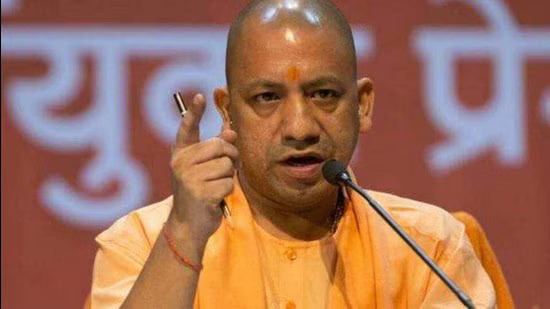
Uttar Pradesh Chief Minister Yogi Adityanath has urged citizens to stay alert against cyber frauds, making it clear that there is no legal provision anywhere in the country called “digital arrest.” He warned that scammers often impersonate police officers or government agencies, threaten people through video calls or messaging apps, and extort money — but such demands should neither be entertained nor feared.
Posting on social media, the Chief Minister said the state has significantly strengthened its cybercrime-fighting capacity in recent years. Earlier, Uttar Pradesh had only two dedicated cybercrime police stations; today, all 75 districts have specialised cyber police units, supported by cyber help desks at every police station to ensure prompt assistance for victims.
According to Adityanath, fraudsters commonly lure victims by invoking terms like “digital arrest,” “money-laundering investigation,” or alleged links to drug trafficking. They impersonate officials, display forged documents, demand remote screen-sharing, or push for instant online payments.
He stated clearly: “There is no provision of ‘digital arrest’ in any law. Neither the police nor any government agency arrests people over video calls or asks them to transfer money.”
Social Media Risks Highlighted
The Chief Minister also highlighted the risks of careless social media use. Personal details such as photos, videos and live location shared publicly are often harvested by criminals to map people’s movements, families and assets — information later exploited for fraud or blackmail.
New Tricks Used by Cybercriminals
In several recent incidents, scammers posed as central agency officials, kept victims “virtually detained” on video calls for hours, issued threats, and coerced large fund transfers. Authorities believe timely reporting, public awareness and advanced surveillance tools can substantially curb such crimes.
Experts point out that as digital payments grow, cybercriminals are constantly evolving their tactics — from fake customer-care numbers and parcel scams to KYC-update traps, investment frauds and malicious mobile apps. In this environment, vigilance and basic “cyber hygiene” remain essential.
Simple Safety Steps to Prevent Cyber Fraud
He appealed to citizens to follow simple safeguards:
- Never share OTP, bank details or passwords with anyone
- Avoid clicking suspicious links or installing unknown apps
- Verify the identity of callers and messages before responding
If anyone falls victim to cyber fraud, they should immediately call the National Cyber Helpline: 1930 or file an online complaint.“The sooner the police are informed, the greater the chances of recovery,” Adityanath said, urging people to spread awareness especially among senior citizens, women and students.
The government maintains that newly created cyber police units, help desks, technology-led tracking and stronger coordination between agencies have accelerated investigations. Yet officials also acknowledge that prevention and awareness are the most powerful defences.
Calling for a community-wide effort, the Chief Minister said:
“Do not panic if someone threatens you, demands money, or uses the term ‘digital arrest’. Report the matter on 1930 immediately and inform the police without fear.
About the author – Ayesha Aayat is a law student and contributor covering cybercrime, online frauds, and digital safety concerns. Her writing aims to raise awareness about evolving cyber threats and legal responses.
Follow for daily updates on cybercrime, corporate fraud, DFIR, hacking, investigations, and digital forensics
