

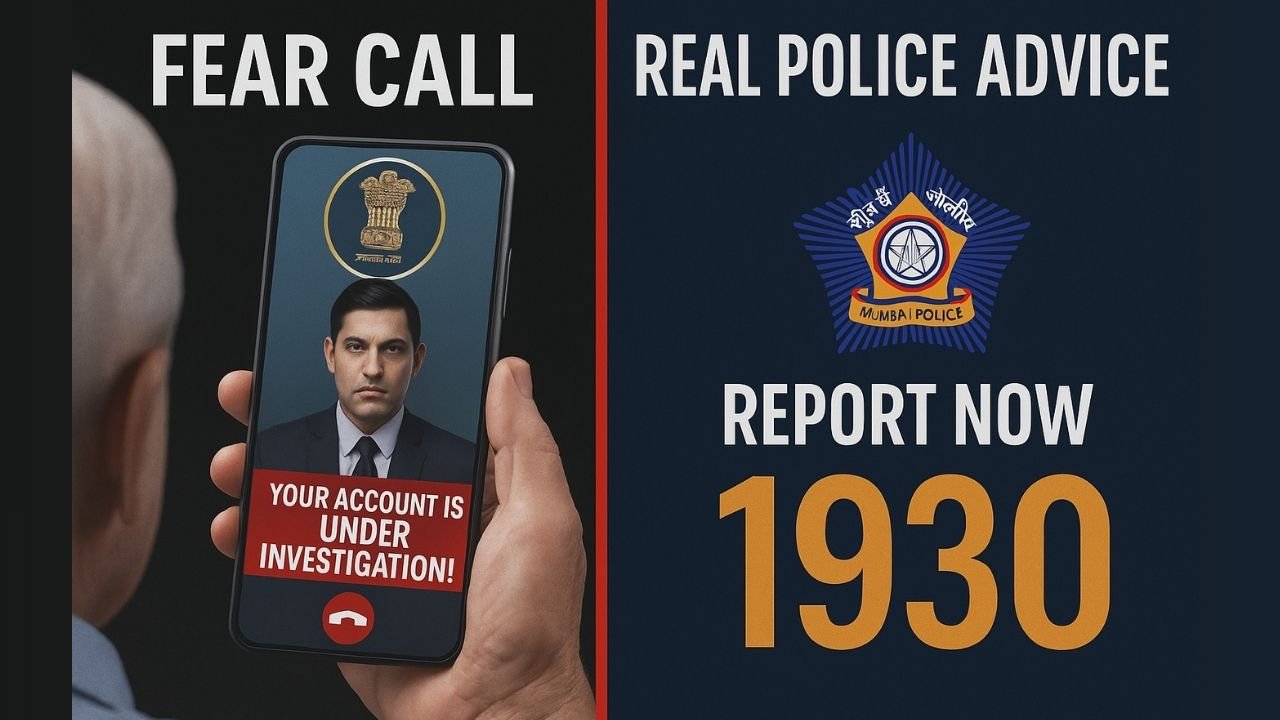

Cybercrime patterns in Mumbai have undergone a sharp transformation in recent years. Among the new-age frauds gaining alarming traction is the so-called “digital arrest” — a tactic that blends technology, impersonation and psychological pressure. Official data indicates a 21-fold rise in such cases between 2022 and 2024.
Senior citizens living alone have emerged as the most vulnerable group. A combination of trust in government institutions and fear of legal repercussions makes them far more susceptible to coercion by cybercriminals.
142 Cases, ₹114 Crore Stolen — Elderly Residents Hit the Hardest
According to Mumbai Police’s Cyber Cell, the city recorded 142 digital arrest cases between January and October 2025.
In these incidents, fraudsters extracted more than ₹114 crore from victims, overwhelmingly senior citizens.
Impersonating officials from the CBI, ED, RBI or Mumbai Police, the criminals would claim that the victim’s bank account or ID documents were linked to illegal transactions. Using threats of arrest, legal action and account seizure, scammers kept victims on prolonged video calls — creating an illusion of being under “digital house arrest.”
Under sustained psychological pressure, many seniors transferred large sums labelled as “verification fees,” “bail deposits,” or “investigation charges.”
What Exactly Is a “Digital Arrest”?
There is no provision in Indian law that allows any form of “digital arrest.”
It is a pure cybercrime method built on:
- Impersonation: Criminals pose as law-enforcement or regulatory officials.
- False allegations: Victims are told their accounts are linked to crimes.
- Threats: Arrest, account freeze, asset seizure or court action.
- Isolation: Victims are instructed not to speak to family members.
- Coercion: Money is demanded urgently under the guise of legal compliance.
The elderly are disproportionately affected because they tend to respect official authority and fear legal complications.
Expert View: Prof. Triveni Singh (Former IPS, Cybercrime Specialist)
Cybercrime analyst and former IPS officer Prof. Triveni Singh describes the digital arrest scheme as one of the “most sophisticated and deeply psychological” frauds operating today.
According to him:
“Fraudsters succeed in the very first call. They induce fear and create such a credible illusion of authority that victims genuinely believe they are caught in a government investigation.”
Prof. Singh says the scam works on three foundational pillars:
- Fear – Threat of arrests and legal consequences.
- Authority – Claiming to be from CBI/ED/RBI/Police.
- Isolation – Cutting victims off from family and external advice.
He stresses that no Indian government agency conducts investigations, verifications, or arrests over video calls, WhatsApp or direct phone calls.
“Every such communication is 100% fraudulent.”
He urges citizens to report suspicious calls immediately to:
1930 — National Cyber Helpline
cybercrime.gov.in
Timely reporting, he says, significantly increases the chances of fund recovery.
Mumbai Police Launch Door-to-Door Awareness Drive
With digital arrest cases rising rapidly, Mumbai Police have begun a dedicated awareness campaign in South Mumbai.
A total of 627 senior citizens living alone were identified as high-risk individuals.
Police teams:
- Visited homes and interacted with vulnerable seniors
- Explained the entire digital-arrest modus operandi
- Distributed awareness leaflets in Marathi and English
The campaign aims to dismantle fear and confusion and reassure citizens that no legitimate agency arrests or interrogates people over phone calls.
Conclusion
Digital arrest fraud has emerged as one of the most dangerous forms of cybercrime in Mumbai — and increasingly across India.
The police initiative and expert insights make it clear that tackling this threat requires more than enforcement: it needs community awareness, family involvement and prompt reporting.
Since the scam thrives on fear, control and misinformation, it becomes ineffective the moment citizens — especially senior citizens — recognise the truth and seek timely help from authorities.
