

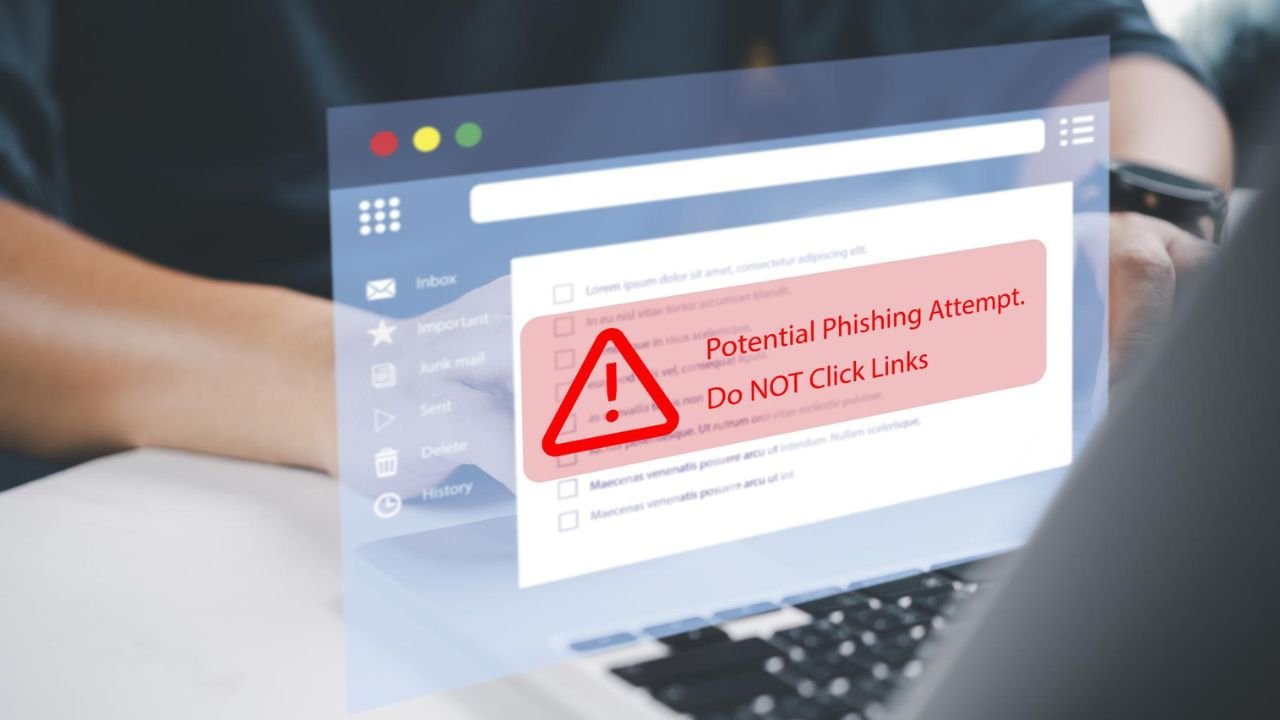

New Delhi | Cybersecurity experts have issued a warning that the MSHTML framework vulnerability could be exploited by state-backed hacking groups. The report suggests that the Russia-linked threat actor APT28 may be attempting to weaponize this 0-day flaw. The vulnerability was reportedly used in real-world attacks before the February 2026 patch released by Microsoft.
Cyber researchers identified the flaw as CVE-2026-21513, a high-severity security issue with a CVSS score of 8.8. The vulnerability allows attackers to bypass MSHTML framework security controls. Security analysts said the flaw could enable unauthorized network access and potentially lead to remote code execution if successfully exploited.
FCRF Launches Flagship Certified Fraud Investigator (CFI) Program
Investigation reports indicate that the attack can be initiated through specially crafted Windows Shortcut (LNK) files. Victims may be tricked into opening phishing links or malicious email attachments. Once the file is opened, the operating system’s browser and shell processing mechanisms may be manipulated to activate malicious code.
A security research organisation reported that a suspicious malware sample was uploaded to a public threat database in January 2026 and was linked to the APT28 campaign. The sample was reportedly designed to communicate with the domain wellnesscaremed[.]com, which is believed to be part of a multi-stage payload distribution infrastructure.
Experts said the primary objective of this technique is to bypass “Mark-of-the-Web” protection and Internet Explorer Enhanced Security Configuration systems. If the attack succeeds, the malicious program may escape the browser sandbox and execute at system level, potentially enabling data theft or espionage operations.
The report also noted that the MSHTML vulnerability is not limited to LNK-based phishing. Any application embedding the MSHTML rendering engine could potentially serve as an attack vector, raising concerns about alternative payload delivery mechanisms in future campaigns.
Cyber analysts believe state-sponsored threat groups often use such vulnerabilities for intelligence gathering and strategic surveillance. Investigators warned that if attackers maintain long-term system access, they can continuously monitor critical network data and operational communications.
According to another security assessment, such cyber tools could also be used to influence public information networks if geopolitical tensions escalate. However, experts noted that some digital effects can be reversed after operations, reducing the risk of permanent disruption to civilian infrastructure.
Cybersecurity platform The Hacker News stated that the campaign may evolve beyond LNK phishing alone, as other delivery mechanisms could be developed. Researchers warned users to avoid suspicious links, unknown email attachments, and downloads from unverified websites.
Experts said modern cyber warfare is becoming increasingly complex, combining traditional military power with digital espionage and network control strategies. Security agencies are advising organisations to deploy regular patch updates, strengthen endpoint protection, and adopt zero-trust security architectures.
Overall, MSHTML 0-day vulnerabilities continue to pose a serious global cybersecurity challenge. Researchers believe that future defence against such threats may increasingly rely on artificial intelligence-based monitoring systems and advanced encryption technologies.
