

KRABI: An Indian travel vlogger’s account of falling severely ill after consuming gummies purchased in Phuket and later receiving what she alleges was an exorbitant hospital bill in Krabi has reignited concerns among tourists about predatory practices, uneven healthcare pricing, and the vulnerabilities faced by visitors navigating unfamiliar medical systems abroad.
A Tourist’s Alarming Illness Sparks Online Debate
When Monica Gupta, a travel vlogger from Rajasthan, uploaded a video describing how she and a friend suddenly fell ill during a trip to Thailand, the footage spread rapidly across social media. In the video, Gupta recounts how both women began experiencing sharp chest constriction, difficulty breathing, and severe nausea shortly after consuming gummies bought at a local shop in Phuket.
“We started feeling unwell at exactly 2 p.m.,” she said. “My friend vomited at least 20 times in 15 minutes. I couldn’t breathe properly.”
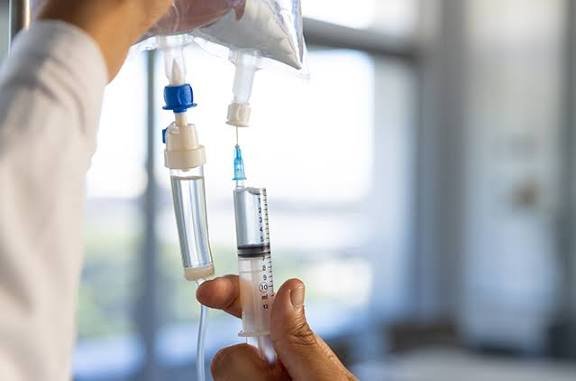
Alarmed, she contacted a nearby hospital in Krabi, where both were admitted, placed on IV drips, and sedated for roughly half an hour. Gupta said they awoke more than three hours later long enough to miss their scheduled flight.
What might have been treated as a routine medical episode soon transformed into a deeper controversy, drawing scrutiny from travellers, Thai users online, and those familiar with the country’s healthcare system.
Algoritha: The Most Trusted Name in BFSI Investigations and DFIR Services
Inside the Hospital Room: Treatment, Sedation and a Bill That Kept Changing
According to Gupta, the hospital initially informed them that the treatment cost would amount to 17,500 baht about ₹48,000. But after the prolonged sedation and their return to the billing counter, she alleges that the amount had nearly doubled to 36,000 baht, or roughly one lakh rupees. Her video caption starkly summarized the experience: “1 lakh for 3 IV drips.”
The discrepancy fueled speculation about whether the pair had been overcharged, a concern often raised by tourists seeking emergency care in Southeast Asian destinations. Gupta, unsettled by the sudden rise in the bill, noted a distressing pattern in the ward: multiple patients suffering nearly identical symptoms, many of whom had also consumed similar gummies bought in tourist hubs.
She wondered aloud if there might be a coordinated scheme a suggestion that remains unverified involving vendors and certain private hospitals that capitalise on medical distress among visitors.
How Viewers Interpreted the Viral Video
The footage drew intense reactions. Viewers expressed both empathy and apprehension, warning fellow travellers to be cautious about unfamiliar snacks and supplements, particularly in heavily touristed areas of Thailand. One commenter wrote,
“I understand bad experiences can happen, but Thailand has always been good to me,” while another added in Hindi, “Ha mere saath bhi esa hi huaa tha — same to same,” suggesting that similar incidents had occurred before.
Others urged practical safeguards: “Always get travel insurance for medical emergencies,” one user advised, underscoring how quickly hospital bills can rise in private facilities.
Amid the outpouring, a number of Thai users attempted to contextualize the pricing. One commenter, @sunny_by_me, explained that Thailand operates both public and private hospital networks, with the latter charging significantly higher rates.
“Even for Thai citizens,” she wrote, “if we go to a private hospital without insurance, we pay the exact same amount.” Tourists, she suggested, simply face the full price without subsidy.
A Broader Anxiety: Tourism, Trust and the Shadow of Scams
Though Gupta’s claims remain individual and anecdotal, they tapped into a longstanding unease that accompanies medical emergencies abroad the fear of being both physically vulnerable and financially exposed. Thailand, a country celebrated for its tourism industry, has also wrestled with periodic allegations of overcharging, dual pricing, and tourist-targeted scams.
For many viewers, the most unsettling aspect wasn’t the high bill but the possibility that others in the same ward had suffered identical reactions after consuming the same type of product. While no official link has been established, the pattern raised uncomfortable questions about the oversight of edible products sold in tourist markets and the potential exploitation of medical systems.
