

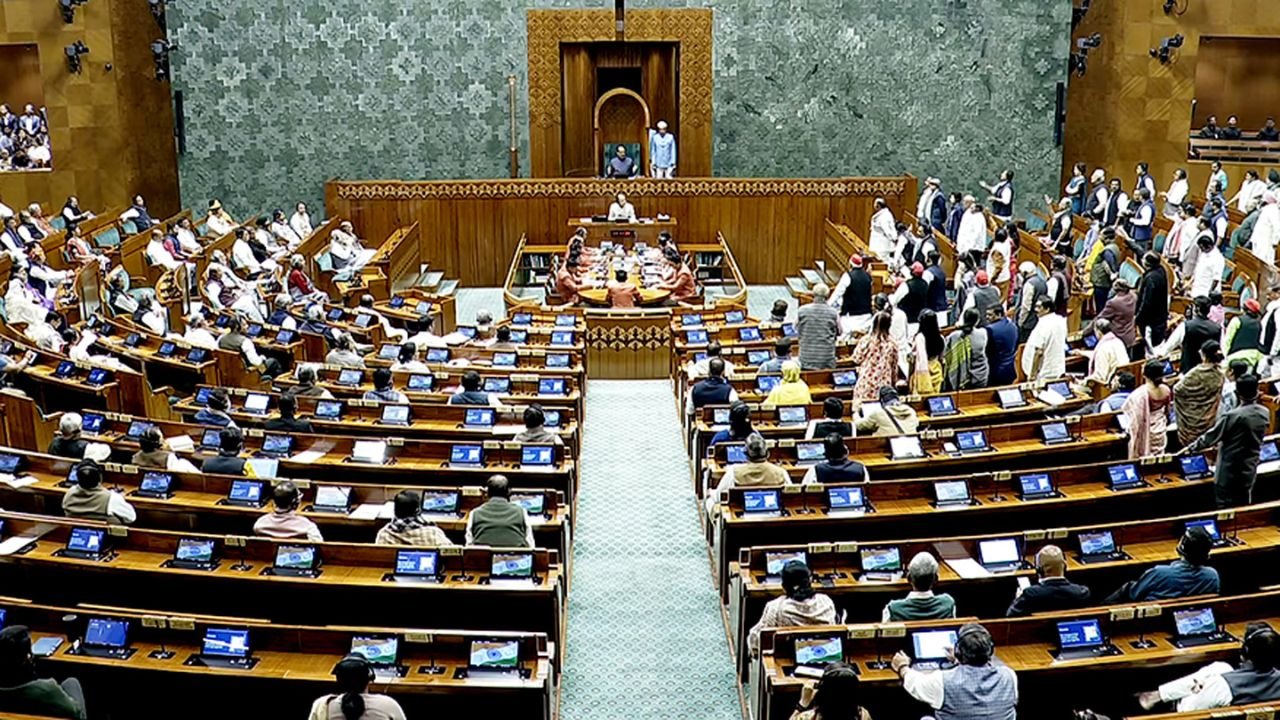

New Delhi: Incidents of Left Wing Extremism (LWE) have fallen sharply across India over the past decade, with violence dropping by 88% from 2010 levels and the number of affected districts contracting to single digits, the government informed Parliament on Tuesday.
In a written reply placed before the Lok Sabha, the government said more than 7,400 Maoists have been arrested since 2019, while 5,880 cadres surrendered during the same period, reflecting what it described as a sustained security and development-led push against the insurgency.
Certified Cyber Crime Investigator Course Launched by Centre for Police Technology
Official data showed that LWE-linked violent incidents declined from 1,936 cases in 2010 to 234 in 2025, marking one of the steepest reductions recorded since the conflict peaked in the late 2000s. Security agencies also reported that in 2025 alone, forces neutralised 364 Maoists, arrested 1,022, and facilitated 2,337 surrenders, underscoring a combination of intensified operations and surrender policies.
The government told the House that the geographical footprint of LWE has narrowed significantly. The number of LWE-affected districts fell from 126 in 2018 to just eight by December 2025, with only three districts now classified as the most affected. In parallel, the spread of violence at the local policing level has also reduced, with police stations reporting LWE incidents dropping from 465 in 2010 to 119 in 2025.
Officials said the decline reflects a multi-pronged strategy combining sustained counter-insurgency operations, disruption of funding networks, and accelerated development interventions in remote and tribal regions historically impacted by Maoist activity.
A key thrust of the current approach has been financial choking of extremist networks. The government said coordinated action by State police forces and Central agencies is being undertaken to dismantle the financial ecosystem sustaining LWE groups, including efforts to uncover linkages between banned Maoist organisations and their alleged funders. These measures, authorities said, have weakened the operational capacity of insurgent groups and limited their ability to regroup.
Alongside security action, the government highlighted a significant push on infrastructure and social development in affected areas, aimed at addressing long-standing governance gaps that fuelled discontent. Under targeted road connectivity programmes, 15,016 km of roads have been constructed, while 9,233 mobile towers have been commissioned to improve telecommunication access in remote interiors.
Education and skill development have also been prioritised. The government said 46 Industrial Training Institutes (ITIs) and 49 Skill Development Centres have been established in LWE-affected regions to improve employability among youth. In the tribal education sector, 179 Eklavya Model Residential Schools are now operational, providing residential schooling facilities aimed at reducing dropout rates and improving learning outcomes.
Financial inclusion indicators have also seen expansion. According to the data shared with Parliament, 6,025 post offices, 1,804 bank branches, and 1,321 ATMs have been opened across districts that were once among the worst affected by Maoist violence, improving access to formal banking and government benefit delivery.
Security officials maintain that while isolated pockets of resistance remain, the movement has lost both territorial control and popular support in most regions. Enhanced road access and telecom connectivity have improved the reach of administration and security forces, enabling quicker response times and better intelligence flow.
The government reiterated that operations will continue until LWE is fully eliminated, with a focus on preventing resurgence in residual pockets. Analysts note that the sharp decline in violence and contraction of affected areas mark a decisive shift from earlier years, when Maoist attacks routinely targeted security installations, infrastructure projects and political representatives.
However, officials cautioned that consolidation remains critical. Sustaining development momentum, preventing re-radicalisation, and ensuring last-mile delivery of welfare schemes in remote tribal belts will be key to ensuring that the gains recorded over the past decade translate into permanent peace.
For now, the latest figures suggest that India’s longest-running internal security challenge is in clear retreat, with arrests, surrenders and development indicators pointing to a steadily shrinking insurgency footprint nationwide.
About the author — Suvedita Nath is a science student with a growing interest in cybercrime and digital safety. She writes on online activity, cyber threats, and technology-driven risks. Her work focuses on clarity, accuracy, and public awareness.
