

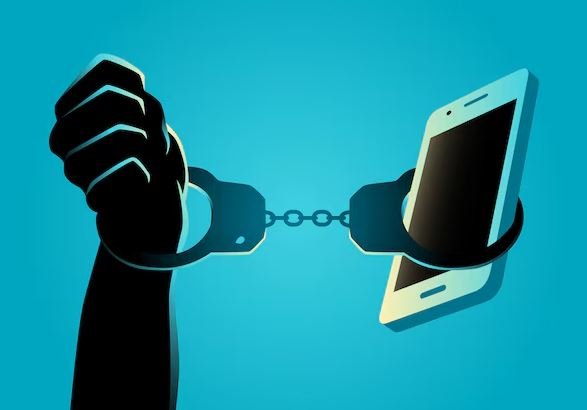
A high-tech cyber fraud racket that ran a “digital arrest” operation from luxury hotels in Delhi and Noida has been busted after three operatives were arrested for allegedly holding a transporter’s wife under virtual surveillance for 14 days and extorting ₹90 lakh by threatening her with fake money-laundering and terror-funding charges.
The accused — Manish Kumar alias Akash, Irshad and Mayank Srivastava — had converted hotel rooms near Chandni Chowk, Paharganj and Noida’s Pari Chowk into makeshift control centres equipped with laptops, multiple phones, high-speed internet and staged official backdrops. The alleged India-level handler, Jeetu, a resident of Rajasthan, remains absconding.
Certified Cyber Crime Investigator Course Launched by Centre for Police Technology
Investigations revealed that the racket functioned as part of an international network, with handlers based in Indonesia, Myanmar and Thailand providing call scripts, target databases and technical support. The Indian module executed video calls, intimidation and fund collection.
The case surfaced after Vina, wife of Alambagh transporter Rakesh Bajpai, reported that she received a WhatsApp video call on January 26 from a caller posing as an anti-terror agency officer. She was then connected to another man in uniform who accused her of involvement in money laundering and terror financing and warned of immediate arrest.
For the next 14 days, she was placed under what investigators describe as “digital arrest”. She was instructed not to switch off her phone, not to speak to anyone and to remain on continuous video while the callers monitored her movements. Under sustained psychological pressure, she transferred ₹90 lakh in multiple transactions to bank accounts provided by the gang.
Probe findings show that Mayank Srivastava arranged rented bank accounts to receive the defrauded money. Account holders were allegedly paid ₹5,000 to ₹10,000 to hand over control of their accounts, while Srivastava earned a commission of three to five per cent of the siphoned amount.
Financial analysis revealed that ₹1.06 crore had been routed through Srivastava’s account in recent months from victims across Tamil Nadu, West Bengal and other states, indicating a wider inter-state fraud network. The money was quickly layered across multiple accounts, converted into cryptocurrency and transferred to overseas handlers to obscure the trail.
Investigators believe the foreign module supplied scripts and infrastructure, while the India-based operatives conducted the video calls, created fear through staged interrogations and forced victims to transfer funds. Efforts are under way to identify additional victims and trace crypto wallets linked to the network.
Raids led to the seizure of laptops, mobile phones, SIM cards, forged identity documents, bank transaction records and digital data. Hotel booking details are being examined to identify other locations used by the gang and possible facilitators who enabled repeated stays without scrutiny.
Cybercrime experts warn that “digital arrest” fraud is rapidly increasing, with scammers exploiting fear of law-enforcement action. Victims are isolated, kept under continuous video monitoring and coerced into transferring money under the guise of “verification” or “security holding”.
Authorities have urged the public to note that no investigative agency conducts interrogations over WhatsApp or video calls, nor demands money to avoid arrest. Any such communication should be immediately reported to the cybercrime helpline.
Search operations are ongoing to trace the absconding handler Jeetu and uncover the full scale of the international network behind the racket.
About the author – Ayesha Aayat is a law student and contributor covering cybercrime, online frauds, and digital safety concerns. Her writing aims to raise awareness about evolving cyber threats and legal responses.
