
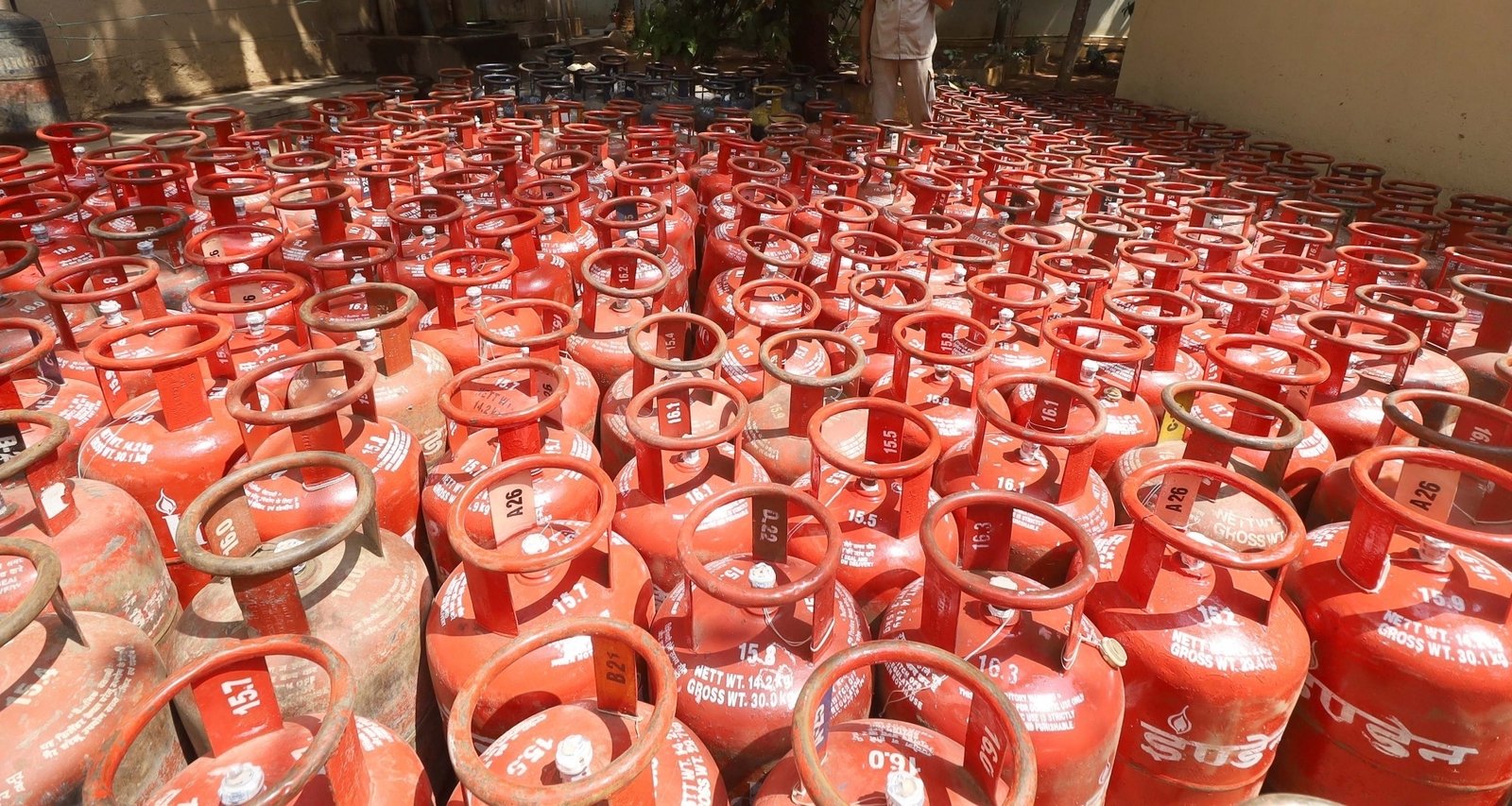
Amid rising tensions in the Middle East involving Iran, Israel, and the United States, concerns over LPG supply disruptions have begun affecting consumers in India. As panic-driven demand surges, cybercriminals are exploiting the situation by launching fake LPG booking scams targeting unsuspecting users.
Taking note of the growing threat, the Indian Cyber Crime Coordination Centre has issued a public advisory, warning citizens about fraudulent tactics being used in the name of urgent gas bookings.
What is the LPG booking scam?
Experts describe the LPG booking scam as a form of cyber fraud where scammers impersonate gas agencies or service providers. Victims are contacted through fake websites, calls, or messages and are asked to share sensitive details such as OTPs, bank information, or payment credentials.
Once these details are shared, fraudsters gain access to victims’ bank accounts and siphon off money, often within minutes.
FCRF Launches Premier CISO Certification Amid Rising Demand for Cybersecurity Leadership
How scammers trap victims
Cybercriminals take advantage of urgency and fear, especially during times when supply disruptions are being reported. Posing as officials or representatives of gas agencies, they offer instant or priority LPG bookings.
Victims are lured into making quick decisions and are redirected to fake platforms or asked to make payments via suspicious links. In many cases, they are also asked to verify bookings through OTPs, which are then misused to complete fraudulent transactions.
Panic and urgency fuel the fraud
The current environment of uncertainty around LPG availability has made people more vulnerable. Many consumers, worried about delays or shortages, are booking cylinders in haste, often without verifying the authenticity of the source.
This urgency creates the perfect opportunity for scammers, who rely on psychological pressure rather than technical sophistication.
Stay alert, stay safe
Cyber experts, including officials from law enforcement, have urged citizens to remain cautious and avoid sharing any personal or banking details with unknown callers or websites.
They emphasise that genuine LPG providers never ask for OTPs or confidential financial information for booking services. Any such request should be treated as a red flag.
Authorities have advised users to rely only on official apps, websites, or registered distributors for LPG bookings. In case of suspicious activity, citizens should immediately report the matter to the national cybercrime helpline or online portal.
The rise of such scams highlights a broader pattern where cybercriminals exploit real-world crises to launch targeted fraud campaigns. Awareness and vigilance remain the most effective defence against such evolving threats.
About the author – Rehan Khan is a law student and legal journalist with a keen interest in cybercrime, digital fraud, and emerging technology laws. He writes on the intersection of law, cybersecurity, and online safety, focusing on developments that impact individuals and institutions in India.
