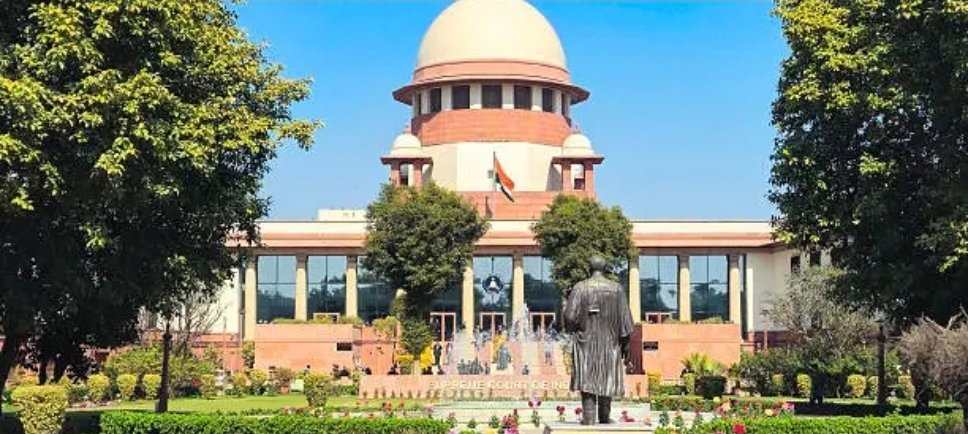

The Supreme Court directed the Ministry of Electronics and Information Technology (MeitY) on Friday to introduce enforcement provisions into its upcoming policy framework to take legal action against individuals who upload audio and video recordings of court proceedings onto social media platforms without prior permission. A three-judge bench comprising Chief Justice of India Surya Kant, Justice Joymalya Bagchi, and Justice V. Mohana issued the instructions during proceedings addressing the regulatory parameters surrounding the live-streaming, recording, and public dissemination of judicial hearings. The apex court had previously prohibited the commercial exploitation of official courtroom audio and video materials alongside their unauthorized publication on online networks. The latest judicial directive seeks to curb the uncontrolled circulation of unauthenticated clips and prevent the intentional decontextualization or distortion of judicial observations.
Court Reviews Framework to Prevent Out-of-Context Social Media Clips
The ongoing proceedings before the bench focus on formulating a standardized regulatory framework to govern the live broadcast and recording of judicial sessions across the country. During previous proceedings, the court directed the Supreme Court Registry to compile all stakeholder recommendations and transmit them to Solicitor General Tushar Mehta. The bench also granted permission to all participating parties to submit their views directly to the Solicitor General to help refine the regulatory draft. A primary institutional concern raised by the judges pertains to edited clips that are taken out of their procedural context and shared widely across social platforms. Such selective distribution carries the potential to misrepresent oral remarks made by the bench and create false narratives regarding the actual character of judicial hearings.
Intervenor Proposes Official Digital Repository for Certified Recordings
During oral arguments, advocate Prashant Bhushan, representing an intervenor in the matter, submitted that the judiciary should create a centralized, authenticated digital repository of court recordings directly on its institutional website. Under this proposal, the public repository would serve as an official single source from which verified clips of judicial proceedings could be accessed and retrieved by citizens and media organizations. Bhushan argued that offering authenticated video materials from a dedicated platform would effectively curb the circulation of doctored or unauthorized footage. Responding to the suggestion, Justice Joymalya Bagchi stated that administrative initiatives in this direction were already underway, noting that steps were being actively devised to stop external users from pulling and reposting video content sourced from High Court channels. Justice Bagchi observed that technical and administrative implementation of such curbs continues to face several operational hurdles.
Regulatory Scope Expands Beyond Top Court to Cover High Courts
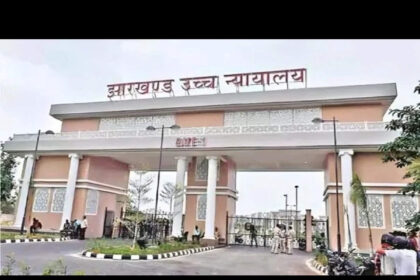
The hearing emphasized that unauthorized circulation extends across the Indian judiciary, as proceedings conducted across various High Courts are regularly recorded and shared without permission on social media channels. Judicial authorities are therefore evaluating wider monitoring mechanisms to protect institutional feeds across all tiers of the judiciary. Justice Bagchi pointed out that administrative measures were also being explored to prevent clips from being extracted and misused from the official YouTube channels maintained by High Courts. The Union IT Ministry is now expected to introduce explicit enforcement clauses into its forthcoming policy draft to address unauthorized online uploads, with the final procedure set to be determined once the policy document is formalized.