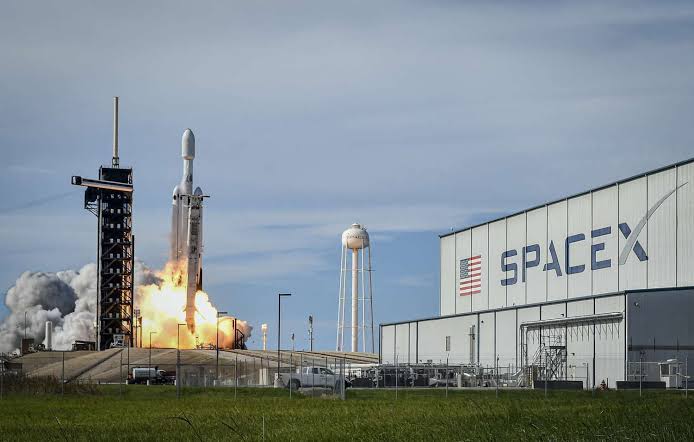

A US federal court has rejected a bid by Elon Musk’s SpaceX to dismiss a lawsuit alleging that gas-fired turbines used to power its artificial intelligence data centres in the Greater Memphis area violate the Clean Air Act. The ruling allows the legal challenge, brought by the National Association for the Advancement of Colored People, to proceed to full litigation. While the court declined to dismiss the case, its order does not establish whether the company has committed any environmental violations.
The civil action was originally initiated in April 2026 against xAI before the artificial intelligence venture was acquired by and folded into SpaceX. Following that transaction, SpaceX assumed direct operational responsibility for the computational facilities and their dedicated power infrastructure. In an opinion issued late Friday, the presiding judge turned down the company’s motion to terminate the proceedings, giving the civil rights organisation a clear path to advance its claims.
Turbine Emissions at Centre of Legal Dispute
At the heart of the complaint is the reliance on gas-fired combustion turbines to generate the massive electrical supply demanded by large-scale computing clusters. The NAACP contends that atmospheric emissions from these units deteriorate local air quality and present serious health hazards to nearby communities.
The lawsuit maintains that operating the generation equipment without appropriate safeguards breaches federal standards set under the Clean Air Act. Training advanced AI systems and operating thousands of networked servers require sustained, high-volume electrical currents, leading operators to commission private generation facilities when grid capacity proves insufficient. SpaceX’s AI unit turned to on-site natural gas generation to satisfy these operational requirements, prompting pushback from civic and environmental advocates.
Power Generation Expands Across State Lines
Concerns surrounding the operation have expanded alongside the physical footprint of the project. SpaceX is currently building a large gas turbine-powered generation facility across the state border in Southaven, Mississippi, designed to channel power back to its data hubs in the region.
Advocacy groups point to the multi-state infrastructure as an example of artificial intelligence developers shifting their growing energy demands onto fossil fuels. The NAACP argues that locating heavy turbine systems adjacent to residential neighbourhoods places an unfair pollution burden on local populations. The litigation is emerging as a test case for how high-consumption technology firms can expand computing capacity while complying with federal public health and clean air mandates.
Repeated Setbacks for Defence Motions
The ruling marks the second defeat for the defence in rapid succession. Approximately two weeks before the latest order, the same federal court dismissed a parallel request filed by the US Department of Justice seeking to bring an end to the proceedings against Musk’s enterprise.
With motions from both the corporate operator and federal authorities denied, the lawsuit moves forward into formal evidentiary phases where the NAACP can introduce supporting technical data. The dispute underscores the mounting conflict between surging energy consumption in the technology sector and statutory environmental safeguards. The eventual ruling will determine whether SpaceX’s private power arrangements breach federal statutes and if remedies must be imposed on its regional operations.