
Follow us on Google News

Washington: A United States federal court on Wednesday barred the Federal Communications Commission (FCC) from taking any further action that could threaten the broadcast licenses of television network ABC, dealing a significant legal setback to President Donald Trump’s administration. In its ruling, the court found on a prima facie basis that the regulatory commission had been acting under the influence of President Trump’s political stance and rhetoric, effectively carrying out a retaliatory campaign against the broadcaster. The decision has once again intensified the ongoing national debate over press freedom and the limits of government regulatory power in the United States.
U.S. District Judge Loren AliKhan stated in her order that the case did not leave much room for doubt regarding the legal outcome. She made it clear that ABC possesses a substantial legal right to be free from government retaliation for exercising its protected right to free expression. According to the court, a media organization’s broadcast license cannot be targeted because of its views, reporting, or expression. The judge noted that ABC has a critical interest in ensuring that government action is not taken against it for exercising its constitutional rights, and on that basis, she blocked the FCC from pursuing steps that could put the network’s license at risk.
Allegations of Political Influence on FCC Leadership
The court also made serious observations regarding the role of FCC Chairman Brendan Carr. Judge Loren AliKhan stated that Carr appeared to have treated President Donald Trump’s rhetoric as a direct instruction to himself. According to the judge, the commission’s chairman seemed to be using the president’s public statements as the basis for his regulatory actions.
These remarks carry considerable weight because the FCC serves as the primary regulatory authority for radio, television, and broadcasting matters in the United States. The agency holds substantial regulatory powers over broadcast licenses and the broader media industry. Consequently, questions surrounding the commission’s political neutrality and independence are viewed as a critical issue for the American broadcasting system.
Renewed Debate Over Constitutional Press Freedoms
The legal dispute has sparked fresh discussion regarding the freedom of the press and the proper role of federal regulatory bodies. The First Amendment of the U.S. Constitution protects freedom of speech and freedom of the press, preventing the government from punishing a media organization solely over critical reporting or political viewpoints.
The court’s order is particularly significant in the context of this constitutional principle. When the actions of a regulatory agency appear driven by political pressure or presidential displeasure, they risk being viewed as an abuse of government power. In this case, the judge’s observations have raised direct questions about the FCC’s functioning and the impartiality of its leadership.
Immediate Relief and Wider Industry Impact
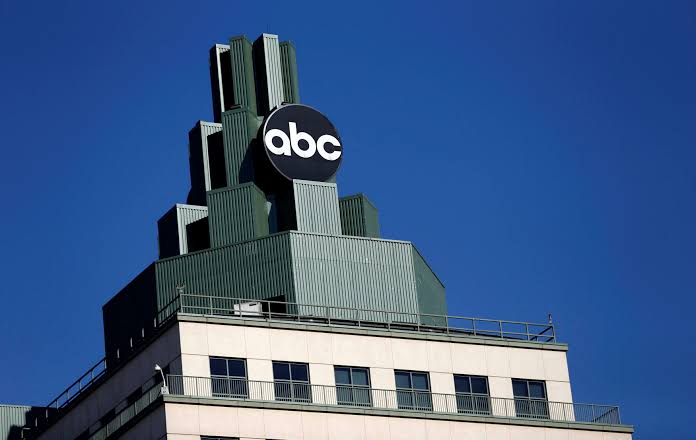
ABC is a major television network in the American media landscape and is owned by the Walt Disney Company. Any regulatory action targeting its broadcast license would not merely affect the network’s business operations, but could also have far-reaching consequences for its viewers, broadcast partners, and the wider media sector.
For now, the federal court’s injunction provides immediate relief to ABC and creates a significant legal hurdle for the FCC in advancing any license-threatening measures. However, the broader legal proceedings and the final resolution of the dispute remain pending. The court’s ruling sends a clear signal that government regulators must exercise their authority strictly within constitutional boundaries and remain free from political influence. Viewed against the backdrop of ongoing tensions between the Trump administration and American media outlets, the judicial intervention underscores the vital role of the courts in safeguarding press freedom and enforcing institutional accountability.