

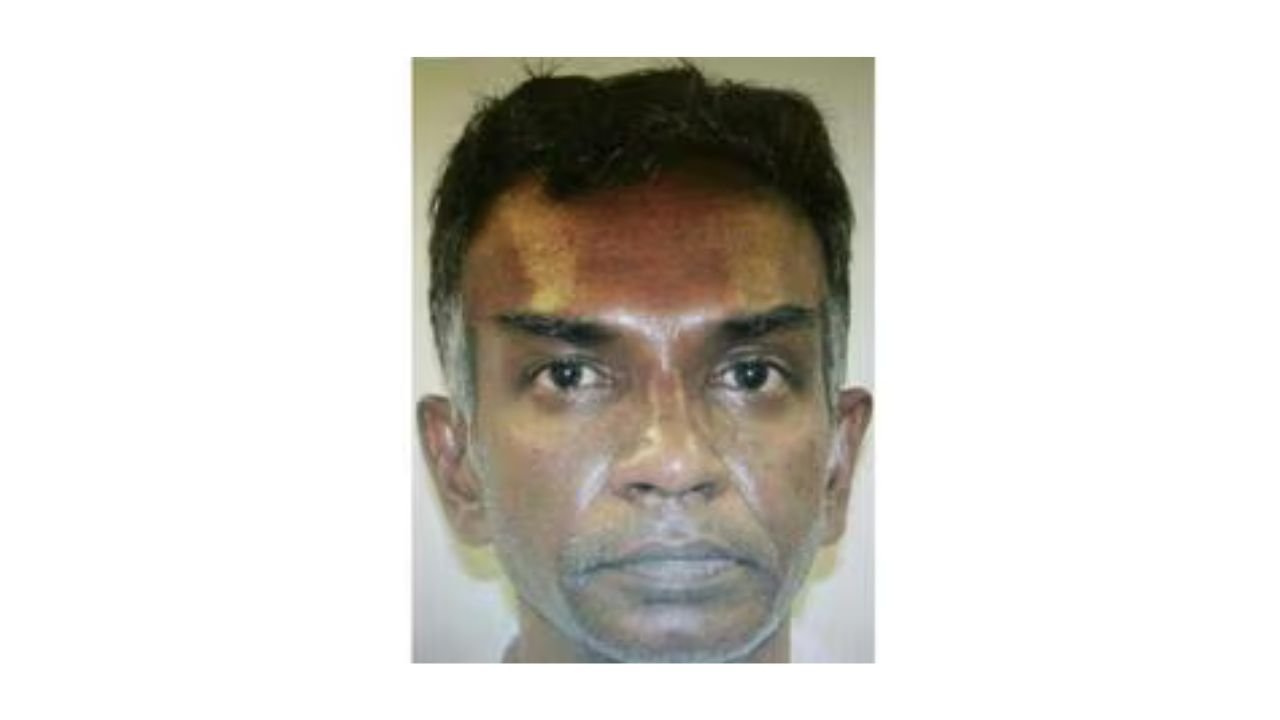

Mumbai: A Special MCOCA court in Mumbai has ordered that alleged gangster Kumar Pillai be repatriated to Hong Kong, holding that a person extradited to India can be tried only for the offences for which extradition was granted. The court ruled that without prior consent from the extraditing country, the accused cannot be prosecuted in any other pending cases.
In its February 13 order, the court relied on the settled legal position laid down by the Supreme Court, which recognises the principle that extradition is offence-specific. If investigating agencies seek to try an extradited person for additional offences, they must obtain permission from the country that approved the extradition.
Certified Cyber Crime Investigator Course Launched by Centre for Police Technology
During the proceedings, the court noted that there was no material on record to show that the prosecution had approached the Hong Kong authorities for consent to prosecute Pillai in other pending cases. In the absence of such permission, the court held that there was no legal basis to continue his detention in India.
Pillai was originally an Indian citizen but later moved to Hong Kong and acquired its citizenship. A Red Corner Notice was issued against him in 2012, and he was arrested in Singapore in 2016. India had sought his extradition in connection with six cases; however, a Singapore court permitted extradition only for trial in three cases.
Those three trials have since concluded, and Pillai has been acquitted in all of them. The court also recorded that the prosecution has not filed any appeals against the acquittal orders. It observed that the very purpose of extradition now stands exhausted.
Counsel for Pillai argued that since he is no longer an Indian citizen and the extradition objective has been fulfilled, his continued stay in India cannot be treated as lawful. Invoking Section 21 of the Extradition Act, the defence sought his repatriation to Hong Kong.
The prosecution opposed the plea, stating that several other cases against the accused are still pending and proceedings in those matters are yet to conclude. The court, however, rejected this contention, emphasising that extradition was granted only for three specified cases and the accused has been acquitted in all of them. Without the consent of Hong Kong, any further trial would be legally impermissible.
The court also pointed out that the prosecution had not taken any formal steps to seek approval from the Hong Kong government for trying Pillai in the remaining cases. Under the extradition treaty framework and established principles of international law, the accused cannot be detained for prosecution beyond the scope of the offences for which extradition was granted.
Accordingly, the court directed the Mumbai Police Commissioner to initiate necessary procedures to ensure Pillai’s repatriation to Hong Kong.
The ruling reiterates the international extradition doctrine known as the rule of speciality, which restricts prosecution of an extradited व्यक्ति to the offences specified in the extradition order. The judgment sends a clear signal that investigative agencies must obtain prior consent from the extraditing country before proceeding in additional cases, failing which the accused is entitled to be returned.
