

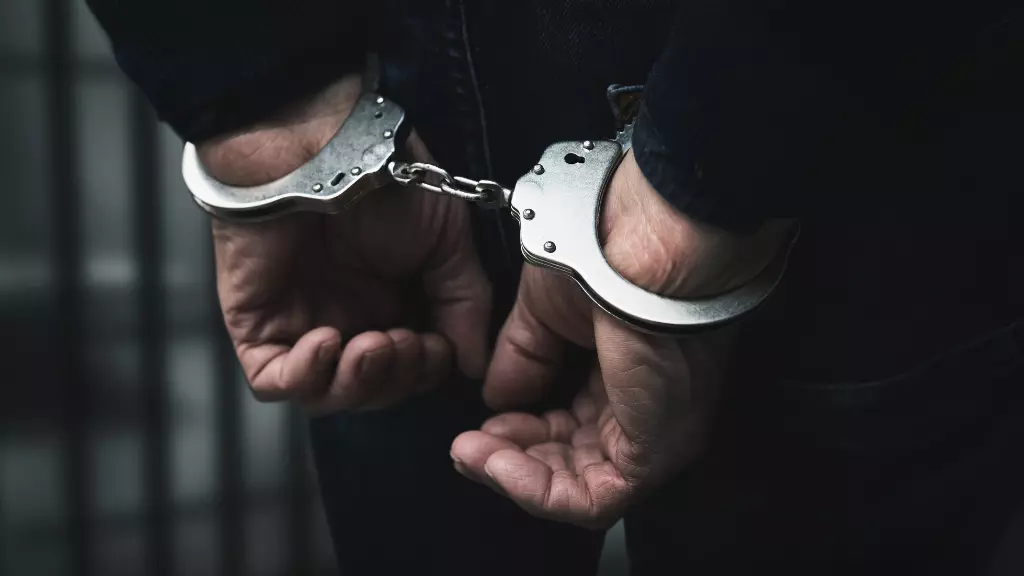
Security agencies have arrested five Afghan nationals from Kolkata in connection with an organized conspiracy to obtain Indian identity through forged documents. The action was taken following investigations into an inter-state fake passport network. With the fresh arrests, the total number of people detained in the case has risen to 11, including eight foreign nationals.
Afghan Nationals Identified in Kolkata
The arrested individuals have been identified as Raza Khan (28), Ziaul Rahman (30), Sultan Mohammad (27), Syed Mohammad (35) and Zafar Khan (23). Officials said they had been living for several years in Kolkata’s Beniapukur and Bhowanipore areas while concealing their identity using forged passports and other documents.
Jabalpur Address Used in Fake Passports
Investigations revealed that the passports carried addresses showing them as residents of Jabalpur in Madhya Pradesh. Authorities suspect that an inter-state network was involved in preparing forged birth certificates, residential proofs and other identity documents. After being produced before local courts, the accused were sent to Jabalpur on transit remand for detailed interrogation.
FCRF Launches Flagship Certified Fraud Investigator (CFI) Program
Mastermind Sohbat Khan’s Document Trail
According to agencies, the main operator of the network was Afghan national Sohbat Khan, who had been living illegally in India for nearly ten years. Investigations suggest that Khan had planned to infiltrate the Indian identification system using forged documents.
Decade-Long Forgery Operation
Sources said Khan had obtained a driving licence in 2015 using a fake address and birth certificate. Later, he attempted to secure Aadhaar, PAN and voter identity cards using the same documents. In 2020, he allegedly managed to obtain an Indian passport through forged papers.
Passport Services for Illegal Immigrants
Investigators added that Khan later began helping other Afghan nationals living illegally in West Bengal, Chhattisgarh and other states to obtain passports. He allegedly charged between ₹1 lakh and ₹1.2 lakh for each passport. Preliminary findings suggest that at least 30 foreign nationals may be linked to the network.
Maharashtra Links and Worship Site Meetings
During the probe, agencies also traced leads connecting the racket to Akola in Maharashtra, a region considered sensitive. Questioning revealed that the accused had contacts at a place of worship located there, where they used to meet illegal immigrants residing in West Bengal and other states.
Local Jabalpur Facilitators Identified
The investigation team believes the network’s links extend to West Bengal and Chhattisgarh. Security agencies are also trying to determine whether the racket is connected to any larger organized crime group or international document-trafficking network.
Ongoing Probe and Security Concerns
Preliminary investigations have also indicated the involvement of three local residents of Jabalpur. It is alleged that forest guard Dinesh Garg, who worked in the election cell of the Jabalpur district collectorate, along with Chandan Thakur and Mahendra Kumar Sukhdan, helped in preparing forged residential and birth documents. These allegations are being thoroughly investigated.
Officials clarified that the case is still in the early stages of investigation and further arrests cannot be ruled out. Agencies are also examining financial transactions, contact chains and the methods used to fabricate documents.
The incident has raised serious concerns over illegal migration, cross-border document smuggling and the security of identity verification systems. The investigation team is continuing its operation to uncover the complete structure of the network.
About the author – Rehan Khan is a law student and legal journalist with a keen interest in cybercrime, digital fraud, and emerging technology laws. He writes on the intersection of law, cybersecurity, and online safety, focusing on developments that impact individuals and institutions in India.
