

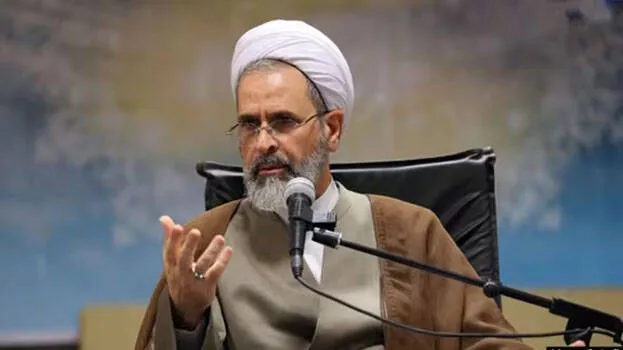

Tehran: The political landscape of West Asia has shifted following the attacks by the United States and Israel and the subsequent death of Iran’s long-time Supreme Leader Ayatollah Ali Khamenei. In response, Iran has activated its constitutional succession mechanism and appointed senior cleric Ayatollah Alireza Arafi as the country’s interim Supreme Leader. His primary responsibility during the transition period will be to maintain administrative stability and oversee the selection of a permanent Supreme Leader through constitutional procedures.
Constitutional Mechanism Activated
According to Iran’s constitution, a special leadership council is formed in the event of the death or vacancy of the Supreme Leader’s position. The interim arrangement has been activated under this framework. Experts believe maintaining political stability under the current circumstances will be Iran’s biggest challenge as military tensions continue to escalate across the region. The ongoing West Asia conflict is also beginning to influence global security dynamics and energy markets.
FCRF Launches Flagship Certified Fraud Investigator (CFI) Program
Who Is Alireza Arafi?
Ayatollah Alireza Arafi is considered one of Iran’s senior religious figures and has long been associated with the country’s major Islamic educational and theological institutions. Known for his expertise in judicial and religious matters, he is regarded as an influential cleric within Iran’s religious leadership structure. By joining the interim leadership council, Arafi is expected to play a key role in both administrative and religious decision-making.
Regional Tensions and Security Concerns
During the transition period, his primary task will be to ensure the smooth functioning of the government and strengthen the security apparatus. He will also supervise the process of selecting a new permanent Supreme Leader. Under Iran’s constitutional framework, the Guardian Council and a joint committee of senior religious and political officials participate in the final leadership selection process.
The attacks by the United States and Israel have further intensified regional tensions, placing additional pressure on Iran’s internal political and security strategies. International analysts believe the impact of this leadership change may extend beyond Iran, potentially influencing the geopolitical balance across West Asia. Concerns are also growing over oil supply stability, maritime trade routes, and regional military equilibrium.
Global Reactions and Diplomatic Implications
Following Khamenei’s death, several countries have reacted to the development. While some nations have called for peace and restraint in the region, others have expressed concern over the escalating situation. The continuing conflict in West Asia is also posing challenges to international diplomacy as energy security and global trade stability remain at risk.
A Crucial Transition Period
Experts emphasize that political unity within Iran during this transition period will be critical. Failure to manage the leadership transition smoothly could lead to instability both domestically and internationally. The primary objective of the interim arrangement is therefore to maintain administrative continuity and strengthen coordination among security institutions.
At present, the leadership transition process is ongoing, and the global community is closely monitoring developments. The coming days will reveal how the interim leadership formulates strategies to navigate the country through the current crisis and regional tensions.
