
Follow us on Google News

A 74-year-old retired central government employee has fallen victim to a “virtual arrest” cyber fraud in which scammers impersonating police officers extorted ₹1.2 crore. The incident, reported at the Ernakulam Rural Cyber Police Station, highlights the growing menace of sophisticated cybercrimes targeting vulnerable individuals.
According to investigators, the victim received a WhatsApp call on August 15 from a man identifying himself as Praveen, an officer with the Greater Mumbai Police. The fraudster alleged that a consignment containing banned goods had been booked in the victim’s name, linking him to a smuggling attempt.
Data Protection and DPDP Act Readiness: Hundreds of Senior Leaders Sign Up for CDPO Program
How the ‘Virtual Arrest’ Scam Unfolded
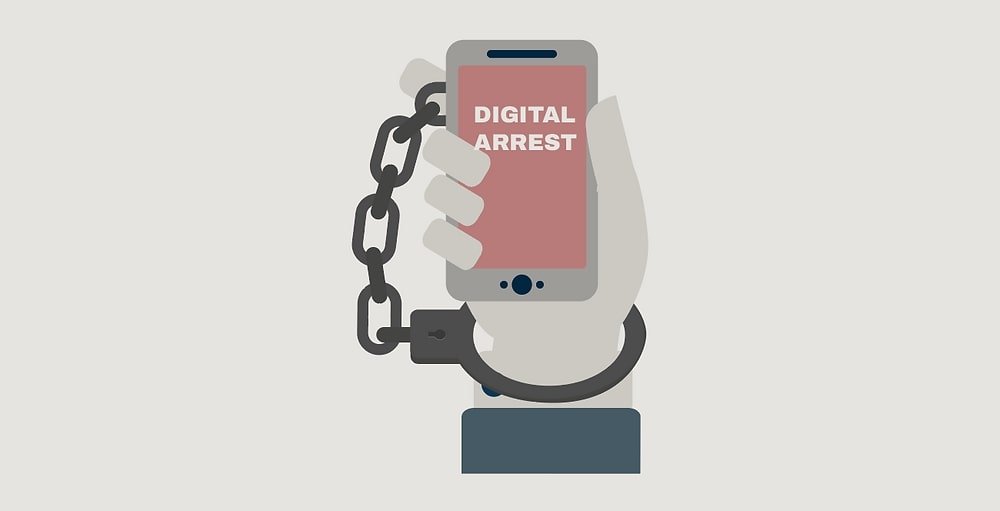
The caller escalated the deception with a WhatsApp video call, during which the victim was threatened with immediate ” virtual arrest” unless he cooperated. To prove his innocence, the victim was told that his bank accounts needed verification as part of an official investigation. Trusting the impostors, the retired employee transferred ₹40 lakh each in three separate transactions to two bank accounts in Mumbai on August 18. The scammers assured him that the money would be returned once the so-called verification process was completed.
However, when the funds were not restored, the victim approached the police. Authorities swiftly registered a case and managed to freeze around ₹35 lakh from the recipient accounts. Unfortunately, the remaining amount had already been withdrawn by the fraudsters.
Investigation and Wider Concerns
Police revealed that the accounts used in the fraud were registered under the names of bogus companies. Investigators are working to trace the digital footprint of the perpetrators and recover the unrecovered funds. Officials emphasized that this type of “virtual arrest” scam is on the rise in Kerala, exploiting fear and authority to coerce individuals into transferring money. Victims are often led to believe they are implicated in criminal cases and must cooperate to avoid arrest.
Kerala Police data shows cyber fraudsters siphoned off ₹763 crore from the state in 2024 alone, underscoring the urgent need for vigilance. Authorities have urged citizens to report cybercrime incidents immediately via the 1930 helpline and are expanding awareness campaigns to prevent similar scams.