

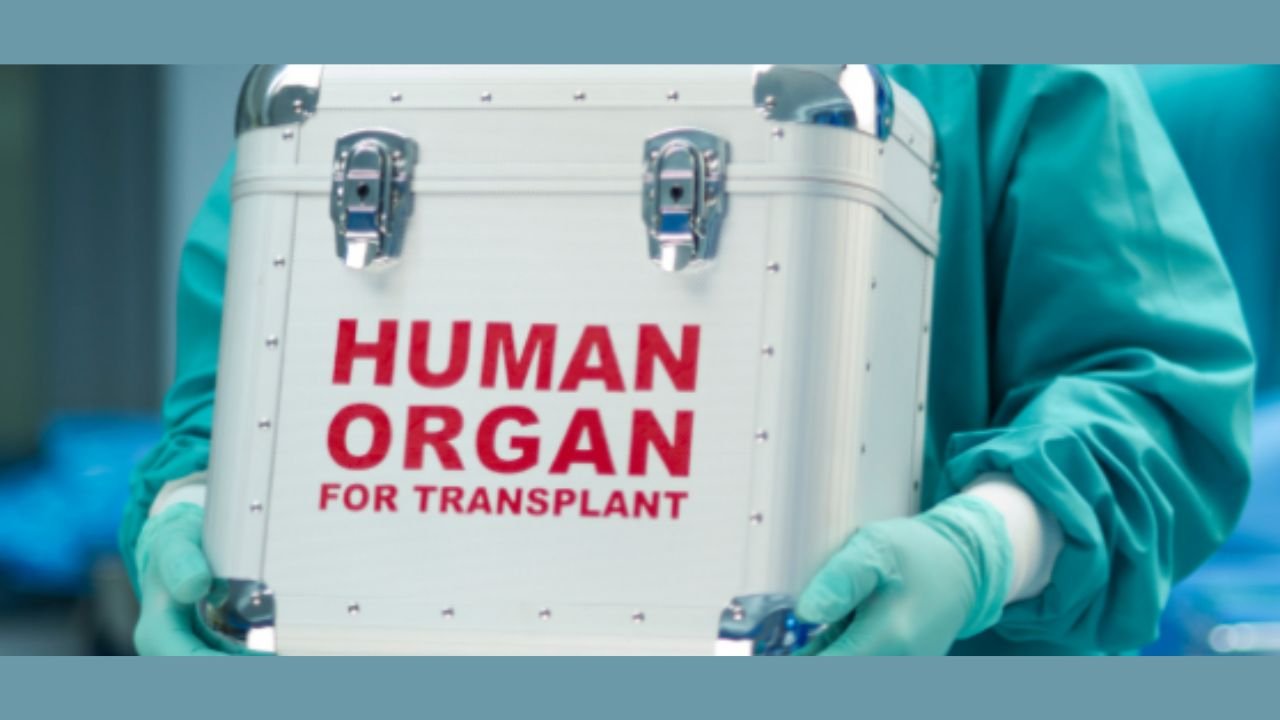

Kanpur: A shocking case of alleged fraud in the name of kidney transplantation has surfaced in Kanpur, where a patient from Punjab was duped of ₹43 lakh with false promises of a life-saving procedure. Investigations suggest this is not an isolated incident but part of a larger, organized network exploiting vulnerable patients in need of urgent medical care.
The case came to light after investigators recovered a video from the mobile phone of an accused, Shivam Agarwal. In the footage, the victim—identified as Manjinder from Tarn Taran, Punjab—details his ordeal, claiming he was misled and financially drained by the accused.
FCRF Launches Premier CISO Certification Amid Rising Demand for Cybersecurity Leadership
According to the victim, he has been suffering from severe kidney failure and undergoing dialysis for years. During this period, he came in contact with individuals who assured him they could arrange a kidney transplant quickly and smoothly.
Contact initiated in Mohali, network extended to Kanpur
The probe revealed that the victim was introduced to the alleged network in Mohali by a man named Navneet Singh. He connected the victim with other individuals—Jaspreet, Vikrant, and Hasan—who claimed they had the resources and contacts to facilitate a transplant.
Over time, the accused allegedly collected ₹43 lakh from the victim in multiple installments. The victim stated that he arranged this amount by borrowing heavily from relatives and acquaintances, hoping to undergo the life-saving surgery.
However, after receiving the money, the accused reportedly began delaying the procedure with repeated excuses. Eventually, no transplant was conducted, leaving the victim financially devastated and emotionally distressed.
Video evidence exposes alleged ‘transplant mafia’
The video recovered during the investigation has become a crucial piece of evidence. In it, the victim recounts his experience, stating that he lost everything despite arranging money through loans.
Authorities suspect that the group operates across multiple states and may have targeted several other patients using similar tactics. The emergence of the video has intensified the investigation and raised concerns about a wider network.
Logistics support from Ghaziabad-based operative
Investigators also found that a Ghaziabad-based individual, Parvez Saifi, played a key logistical role in the operation. He allegedly arranged vehicles to transport members of the network between cities for meetings and related activities.
Reports indicate that he has a prior criminal background involving robbery cases. He is believed to have transported members of the group multiple times between Meerut and Kanpur, facilitating their operations.
Another associate, identified as Ankit, reportedly assisted in booking vehicles under different identities to avoid detection and support the network’s movement.
Cash videos raise further suspicion
During the investigation, authorities also recovered additional videos showing accused individuals with large amounts of cash. In one such clip, bundles of ₹500 notes are seen scattered across a bed while individuals sit beside them, suggesting significant financial gains from the alleged illegal activities.
These visuals have added weight to the suspicion that the racket was operating at a large scale and generating substantial illicit profits.
Custodial interrogation expected to reveal more
Officials are preparing to seek custody of Shivam Agarwal for further interrogation. They believe that questioning him could uncover key details, including the number of victims involved and the locations where such illegal transplant arrangements were attempted.
Serious concerns over healthcare exploitation
This case highlights not just financial fraud but a grave misuse of the healthcare system. Experts warn that such rackets prey on critically ill patients, trapping them with false promises and exploiting their desperation.
Need for stricter oversight
The incident underscores the urgent need for tighter regulation and transparency in organ transplant procedures. Authorities and medical institutions may need to strengthen monitoring systems to prevent such illegal networks from operating.
The Kanpur case serves as a stark warning: unless strict action is taken, such “death rackets” could continue to expand, putting more lives at risk. Investigations are ongoing, and more revelations are expected in the coming days.
