

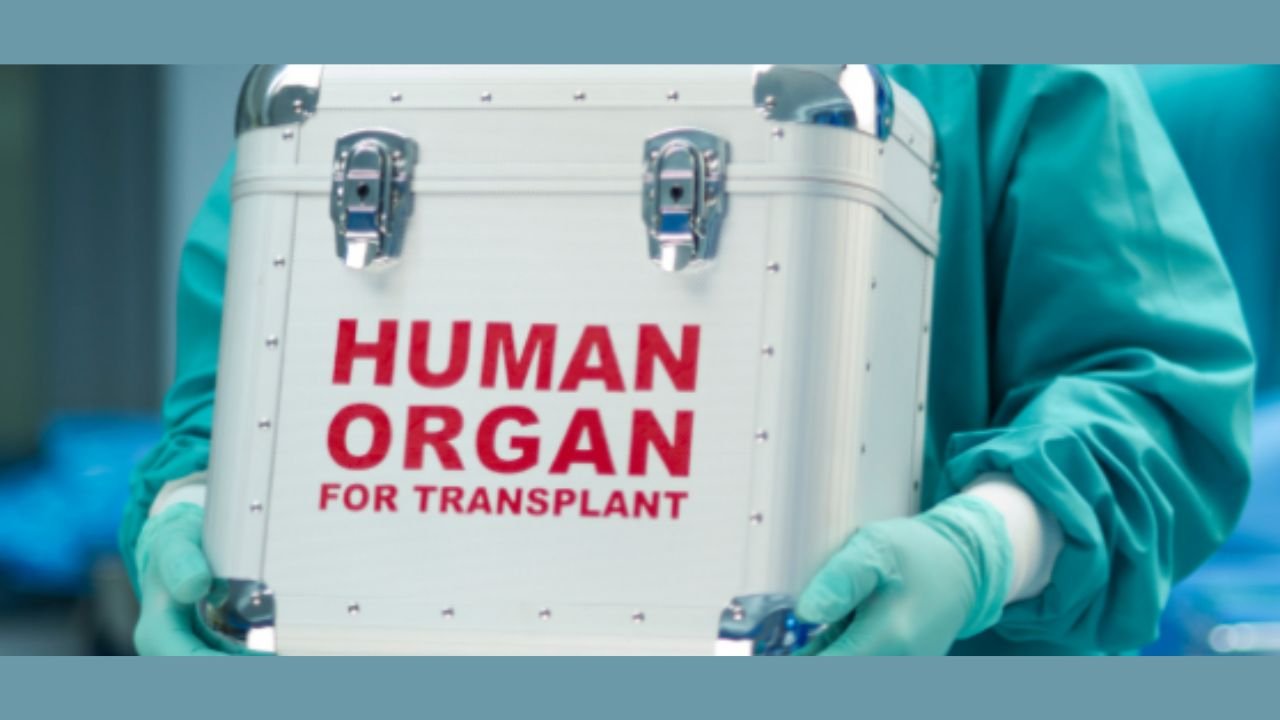

Kanpur: A shocking illegal kidney transplant racket has been uncovered in Uttar Pradesh’s Kanpur, where economically vulnerable individuals were allegedly exploited and coerced into selling kidneys at low prices, which were later sold to patients at exorbitant rates. A total of 10 individuals, including a doctor couple, hospital operators, and middlemen, have been detained, while more than 50 hospitals have come under the radar of investigating agencies.
As the probe deepens, the case is emerging as a well-organised and long-running network. Preliminary findings suggest that kidney donors were paid around ₹9.5 lakh, while the same organs were sold for over ₹90 lakh to recipients, indicating massive illegal profiteering.
FCRF Launches Premier CISO Certification Amid Rising Demand for Cybersecurity Leadership
During the investigation, joint teams of the health department and law enforcement carried out raids at multiple hospitals across the city. Shockingly, some of these facilities were found to be operating without valid registration, raising serious concerns about regulatory lapses. Evidence recovered from these locations indicates that they may have been used for conducting illegal transplant procedures.
Sources reveal that the network had links beyond the state, with specialist doctors allegedly being brought in from cities such as Lucknow, Delhi, and Mumbai to carry out the transplants. The medical teams reportedly included nephrologists, transplant surgeons, anesthetists, and other specialists to execute the procedures in a professional setup.
One of the most startling discoveries was the presence of a kidney donor admitted in a hospital that had reportedly been shut down nearly two months ago. Despite being non-operational, the facility was allegedly being used for illegal medical activities, suggesting that the racket employed multiple covert locations to avoid detection.
Investigators also found that a middleman lured a young man from Uttarakhand into selling his kidney by offering ₹10 lakh. However, he was ultimately paid only ₹9.5 lakh. The same kidney was later sold to the family of a female patient for over ₹90 lakh, highlighting the scale of exploitation involved.
The racket came to light when the donor approached authorities after not receiving the remaining ₹50,000 promised to him. Acting on the complaint, investigators launched a detailed probe, which gradually exposed the entire network. Swift action followed, with multiple raids conducted and suspects taken into custody.
Following the crackdown, panic spread among several private hospitals in the area. Many reportedly shut off lights and halted operations to avoid scrutiny, indicating the possible involvement of more institutions in the illegal network.
Authorities are now identifying doctors, facilitators, and medical establishments that may be linked to the racket. Investigators are also revisiting older cases, as a similar kidney trade incident had surfaced in the city nearly two decades ago, raising concerns about recurring patterns.
At present, all detained individuals are being interrogated, and their financial transactions, call records, and network connections are under detailed examination. Officials believe that more key names could emerge as the investigation progresses.
The incident has once again exposed serious gaps in the healthcare regulatory system and highlights how vulnerable individuals can be exploited in organised medical crimes. It also serves as a grim reminder of the dangers posed by illegal organ trade networks operating under the guise of legitimate healthcare services.
