

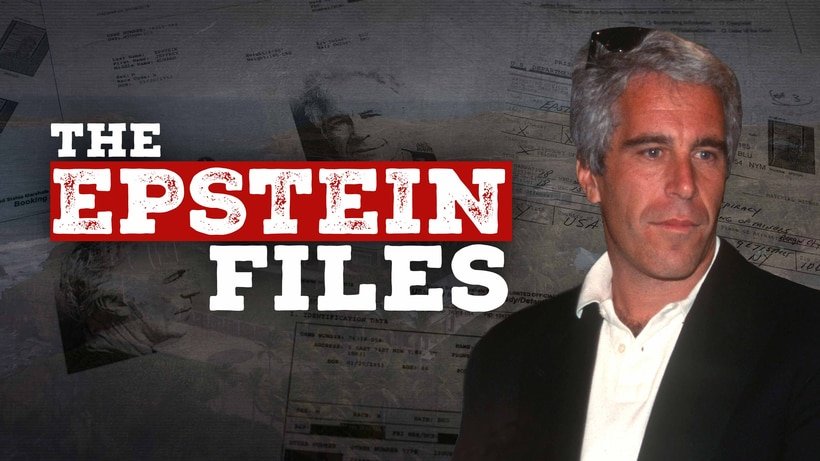

A survivor of convicted sex offender Jeffrey Epstein has spoken publicly for the first time about the systematic control he exerted over women around him. Speaking to The Wall Street Journal, Julia Molchanova described how Epstein initially earned the trust of vulnerable women through promises of career support, only to systematically manipulate their finances, dictate their personal appearances, and isolate them from the outside world. Molchanova stated that Epstein leveraged his financial clout, social status, and ties to influential figures to render women powerless and unable to escape.
Molchanova, originally from Russia, moved to New York at age 22 with limited English proficiency when Epstein approached her on the street. Following a cordial introduction, Epstein invited her to breakfast the next day, inquiring into her personal life, relationships, and aspirations. Learning that she faced relationship troubles and held ambitions in fashion design, Epstein offered professional assistance and pledged to secure her admission to the Fashion Institute of Technology in New York. Molchanova said that once she was drawn closer into Epstein’s circle, the abuse began.
Manipulation and Daily Supervision Under the Guise of Employment
To outside visitors, Epstein routinely introduced the women staying at his residence as his personal assistants, a label Molchanova said was designed to present a veneer of normality and conceal ongoing mistreatment. Behind closed doors, Epstein exercised rigorous surveillance over their daily routines, finances, and personal lives.
Molchanova alleged that while women were issued credit cards, they were forced to account for every expense by retaining and photographing shopping receipts. Epstein also sought to dictate how they styled their hair, what clothes they wore, and what they weighed. When women resisted his demands, Epstein would shout at them, and those who defied his instructions were sometimes punished by being confined to a room for up to 24 hours.
Isolation and the Barrier to Seeking Outside Help
According to Molchanova, Epstein gradually severed the women’s ties with their families and friends. Several women were taken to his private island, where they were reportedly expected to send him messages expressing gratitude. When Molchanova sought permission to consult a therapist during a period of severe mental distress, Epstein refused the request.
Fearing Epstein’s extensive political and social connections, Molchanova said she lacked the courage at the time to report her circumstances to law enforcement. His proximity to figures of authority and high society created an aura of absolute power, convincing her that any appeal to outside authorities would prove futile.
Discovery of Unauthorised Credit Activity and Demands for Independence
The financial dimension of Epstein’s alleged control became fully visible to Molchanova in early 2019. Upon reviewing an online credit-monitoring service, she discovered credit cards and commercial purchases registered under her name without her knowledge or consent.
On April 4, 2019, Molchanova contacted Epstein directly by message, stating her intention to return to an ordinary life. In the communication, she made clear that she had not authorized any fraudulent documentation or commercial transactions conducted on her behalf. Molchanova’s public account details the mechanisms of financial leverage, social isolation, and personal coercion that Epstein allegedly employed to dominate women within his sphere.
