
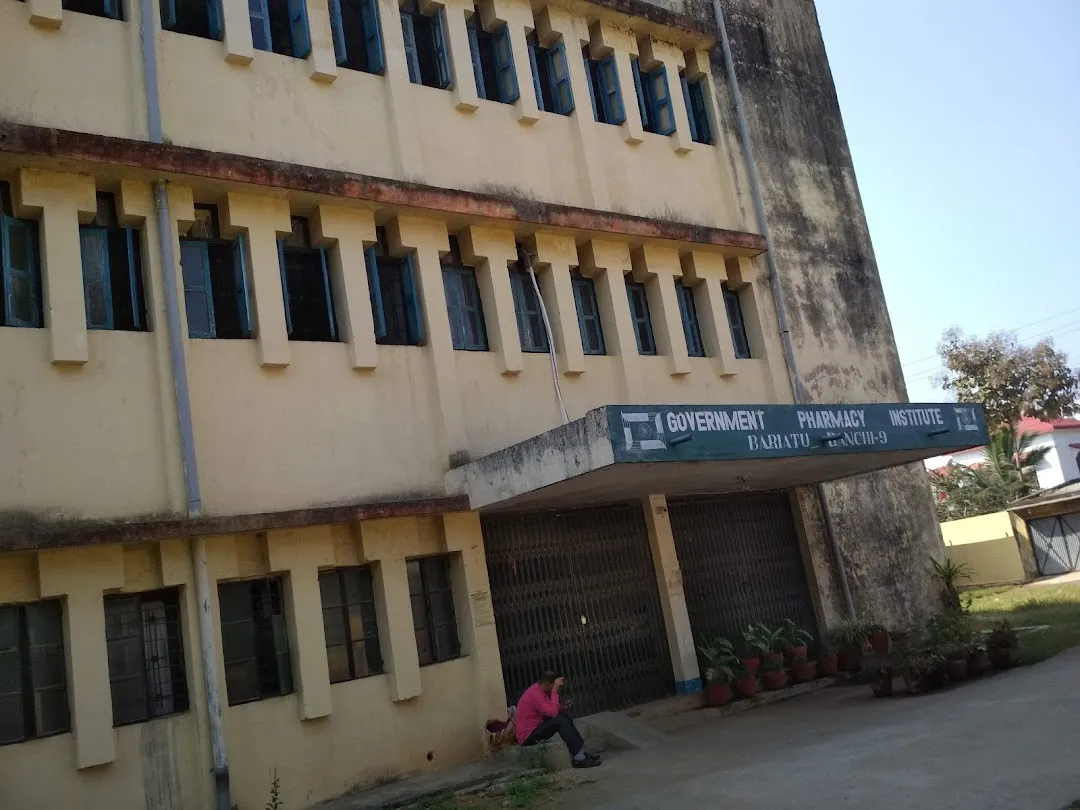
The Jharkhand State Pharmacy Council has issued a stern ultimatum to pharmacists who have failed to renew their registrations for more than two years, warning that their registrations may be cancelled if they fail to respond within 15 days. The move could affect nearly 2,500 pharmacists across the state.
The directive follows a decision taken at a recent meeting of the Pharmacy Council. Acting on the resolution, the Registrar-cum-Secretary of the Council has issued formal orders seeking explanations from defaulting pharmacists on why their registrations were not renewed, despite an annual renewal requirement under existing rules.
Certified Cyber Crime Investigator Course Launched by Centre for Police Technology
Show-cause notices issued
In the order, the Council stated that pharmacists who have not renewed their registration for two years or more must submit a written explanation to the Council office within 15 days. Failure to do so will be treated as having no explanation, allowing the Council to proceed with cancellation of registration without further notice.
The Council clarified that annual renewal of registration is mandatory and that prolonged non-compliance cannot be ignored, particularly in a regulated profession directly linked to public health and drug safety.
2,500 registrations under threat
According to Council data, there are currently 16,787 registered pharmacists in Jharkhand. Of these, around 2,500 pharmacists have failed to renew their registrations for more than two years. Additionally, hundreds of pharmacists are reportedly registered with pharmacy councils in more than one state without formally transferring their registration, which is also a violation of rules.
Officials said the lack of timely renewals has resulted not only in regulatory gaps but also in inaccurate data on active pharmacists in the state.
Allegations over online renewal hurdles
Meanwhile, pharmacists have raised serious allegations against the Council, claiming that online renewal is being deliberately obstructed. Several pharmacists alleged that OTPs required for online renewal are not being delivered, forcing them to visit the Council office in person.
Some pharmacists claimed that without “unofficial payments”, neither registration nor renewal gets processed smoothly, creating fear among professionals about visiting the Council office.
Council rejects allegations
Responding to these claims, the Registrar-cum-Secretary of the Council rejected allegations of deliberate obstruction or corruption. He said pharmacists were unfairly blaming the office for their own lapses.
He explained that renewal fees constitute the primary source of revenue for the Council, and delays in renewal result in financial losses to the government as well as incomplete official records.
On the issue of OTP failures, the Council said pharmacists are required to securely retain their login credentials generated during the first online registration or renewal. Many pharmacists reportedly fail to do so, leading to OTP-related issues. The Council also clarified that OTPs cannot be shared over phone calls due to difficulties in verifying whether the caller is a licensed pharmacist or a shop owner.
Pharmacists cite technical issues
Pharmacists, however, maintain that the problems are systemic. One retired pharmacist, who served nearly 30 years at Rajendra Institute of Medical Sciences (RIMS), said his registration is valid until December 2025 but he has been unable to renew it online for over a week due to non-receipt of OTPs.
He claimed that thousands of pharmacists across the state are facing similar issues, raising concerns that mass deregistration could occur despite genuine attempts to comply.
Public health implications
Experts warn that large-scale cancellation of pharmacist registrations could have serious implications for drug dispensing, especially in rural and semi-urban areas. They stress the need for a transparent, functional and grievance-responsive renewal system before taking punitive action.
What lies ahead
With the 15-day deadline now in effect, all eyes are on how many pharmacists respond and whether the Council addresses concerns over technical bottlenecks. The episode has brought renewed focus on regulatory transparency, digital governance and accountability in professional licensing bodies.
Unless resolved swiftly, the standoff could escalate into a larger dispute involving professional associations and state authorities.
About the author – Ayesha Aayat is a law student and contributor covering cybercrime, online frauds, and digital safety concerns. Her writing aims to raise awareness about evolving cyber threats and legal responses.
