
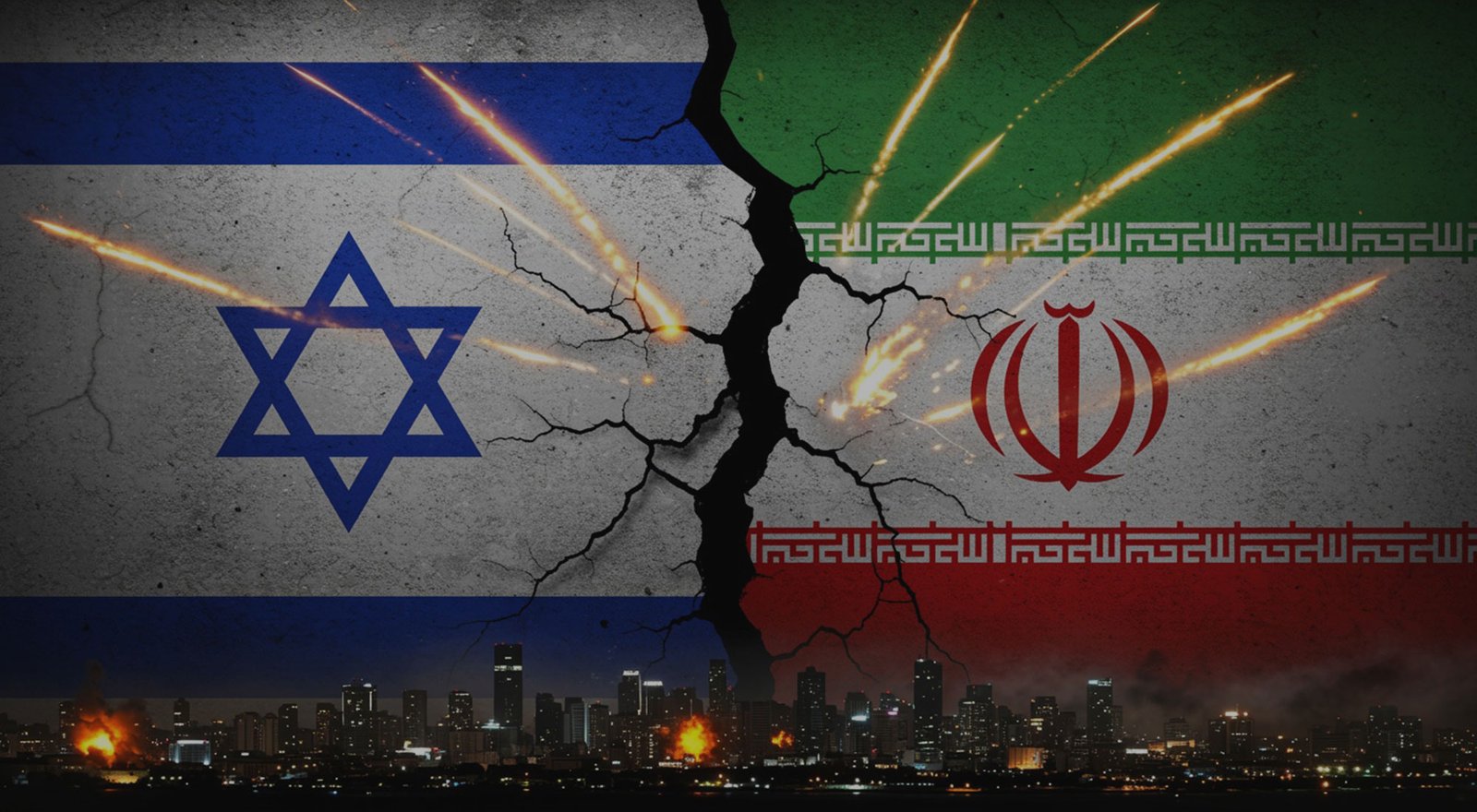
Iran’s capital, Tehran, is home to an extensive public surveillance camera network, originally designed to monitor and control public dissent. This network, however, became a crucial intelligence tool for Israel. According to recently published reports, Israel used Tehran’s cameras to track the security details and daily activities of Iran’s Supreme Leader, Ayatollah Ali Khamenei, and other senior officials.
Persistent Camera Security Flaws
Over the past three years, the security of Tehran’s cameras has consistently been weak. In 2021, cybersecurity vulnerabilities were exposed, and last year Iranian authorities publicly warned that Israel had compromised these cameras. Despite these warnings, Iran continued to expand the network for public oversight and special security monitoring. Israel reportedly used AI and other intelligence methods to track Khamenei and his top officials in real time.
Analyst: Irony in Authoritarian Tools
Security analysts have warned that public surveillance tools are not limited to controlling dissent. One analyst noted, “The infrastructure authoritarian states build to make their rule invulnerable may ironically expose their leaders the most. This is a serious security dilemma.”
Tehran has thousands of cameras, and their numbers were further increased after large-scale protests in January. These cameras are also used to enforce strict social policies, including monitoring women’s adherence to mandatory hijab regulations.
Cybersecurity observers report that countless cameras worldwide are connected to the internet, and many are poorly secured. “Many cameras are so easy to hack that it becomes a ‘fish in a barrel’ situation,” the report stated. Israel faces constant cyberattacks but has so far been able to defend against them.
FCRF Launches Premier CISO Certification Amid Rising Demand for Cybersecurity Leadership
Global Hacks: Hamas, Russia Cases
In 2023, Hamas hacked cameras in southern Israel to monitor military activity, while Russia attempted similar surveillance in Ukraine and along border areas.
Advances in AI now allow massive volumes of video data to be analyzed in real time, identifying individuals, vehicles, and other key information. Previously, only the cameras could be hacked, while human analysts handled the real work. Now, AI automates this process.
Analysts say countries like Iran, which rely on outdated hardware and software, often manufactured in China or older systems, face heightened risks of camera network compromise.
The misuse of Tehran’s surveillance network has sent a warning to the global security community: public monitoring infrastructure can be weaponized in warfare and intelligence operations. Analysts note that the more cameras are installed, the greater the coverage and surveillance capability.
The events in Tehran and Israel’s intelligence operations demonstrate that no matter how strong technical controls and security measures are, vulnerabilities persist against both internal and external threats.
This incident serves as a cautionary lesson to the international community: even state-of-the-art surveillance systems can be turned into weapons in the hands of adversaries, posing serious security challenges for both democratic and authoritarian nations.
About the author – Rehan Khan is a law student and legal journalist with a keen interest in cybercrime, digital fraud, and emerging technology laws. He writes on the intersection of law, cybersecurity, and online safety, focusing on developments that impact individuals and institutions in India.
