
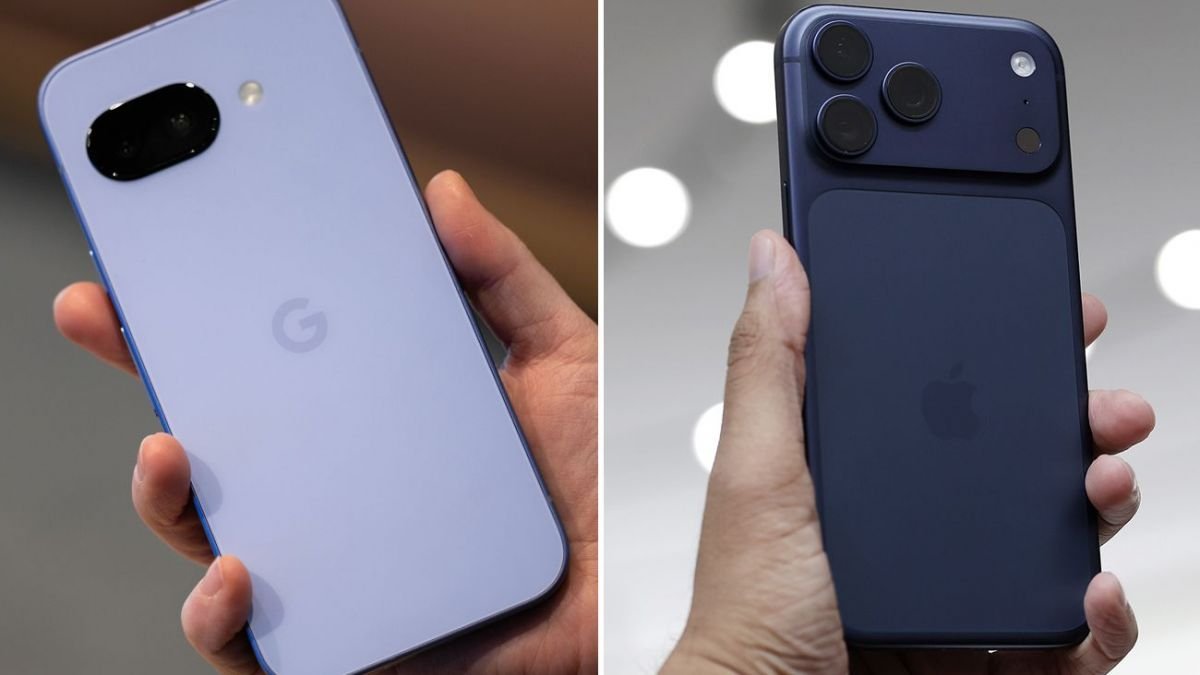

A sudden shift in Israel’s military smartphone policy has rippled through the global security and technology community, coming just weeks after Google intensified its campaign to portray Android as more secure than the iPhone. The decision, driven by mounting evidence of Iranian-linked cyber-espionage attempts, underscores a broader contest over mobile security standards at a moment of heightened regional tension.
A New Front in the Shadow Cyberwar
For months, Israeli officials have confronted what they describe as a persistent and increasingly sophisticated Iranian cyber campaign aimed at penetrating the personal devices of senior military and government figures. According to Ynet News, the operation referred to as SpearSpecter relied heavily on deep social-engineering techniques, including WhatsApp lures, impersonation schemes, and the deployment of a PowerShell backdoor. Israeli cybersecurity officials say the campaign reflects a shift away from broad, indiscriminate attacks toward targeted espionage operations calibrated to harvest sensitive information.
The National Digital Agency, which publicly exposed the campaign, suggested that its sophistication signals a growing emphasis on exploiting the behavioral habits of high-value targets. The attackers’ approach blended human manipulation with the technical exploitation of device ecosystems, amplifying long-standing debates over which platforms are most resilient under national-security strain.
Training, Discipline, and the Strain of Digital Warfare
The Israel Defense Forces have spent years preparing for such a scenario. Reporting in The Jerusalem Post notes that the IDF has undertaken internal drills to train officers to recognize social-engineering tactics and has even staged simulated “honeypot” scenarios modeled on Hezbollah’s techniques. These exercises were designed not merely to test technological safeguards but to strengthen what senior officers call “digital discipline,” the human factor that often determines whether a device becomes an entry point for adversaries.
Still, the new guidelines expected to bar the use of Android devices for official duties by officers ranked lieutenant colonel and above represent a stark escalation. Personal Android phones will still be allowed, but military-issued devices must now be iPhones. Officials emphasize that the move is preventive, intended to reduce the risk of intrusions at a time when cyber activity has intensified alongside the physical conflict with Hamas and related regional skirmishes.
The Smartphone Security Race Tightens
The IDF’s decision comes at an awkward moment for Google. Over the past 18 to 24 months, the company has invested heavily in strengthening Android’s security posture, rolling out revamped protections in Android 16 and launching Advanced Protection Mode. It also moved to restrict sideloading a long-criticized vulnerability in the platform to further tighten the ecosystem.
Just weeks ago, Google celebrated its Pixel phones winning approval for use on the U.S. Defense Department’s secure Information Network, joining only Apple and Samsung on that list. The company framed the certification as a milestone in “mission-ready resilience and intelligent security.”
But the Israeli decision complicates that narrative. While defenders of Android argue that its architecture has dramatically improved, critics note that real-world threat environments especially those defined by highly resourced adversaries such as Iran’s Revolutionary Guard Corps often expose vulnerabilities that do not appear in laboratory threat models.
Regional Conflict and the Escalation of Digital Threats
The renewed scrutiny of mobile devices in Israel did not materialize overnight. Even before the latest escalation with Hamas, there had been numerous reports of targeted “honeypot” operations aimed at Israeli soldiers, designed to compromise devices and exfiltrate location data. Each incident underscored how smartphones constant, networked, and deeply personal have become pivotal assets in modern warfare.
Now, with cyber and physical fronts increasingly intertwined, decisions about which devices soldiers carry have taken on new urgency. Israeli officials have not accused Android itself of being compromised; rather, they argue that Apple’s more tightly controlled ecosystem reduces the attack surface in high-risk operational settings. The move is less about platform rivalry than about minimizing variables at a moment when threat actors appear more adaptive than ever.
