

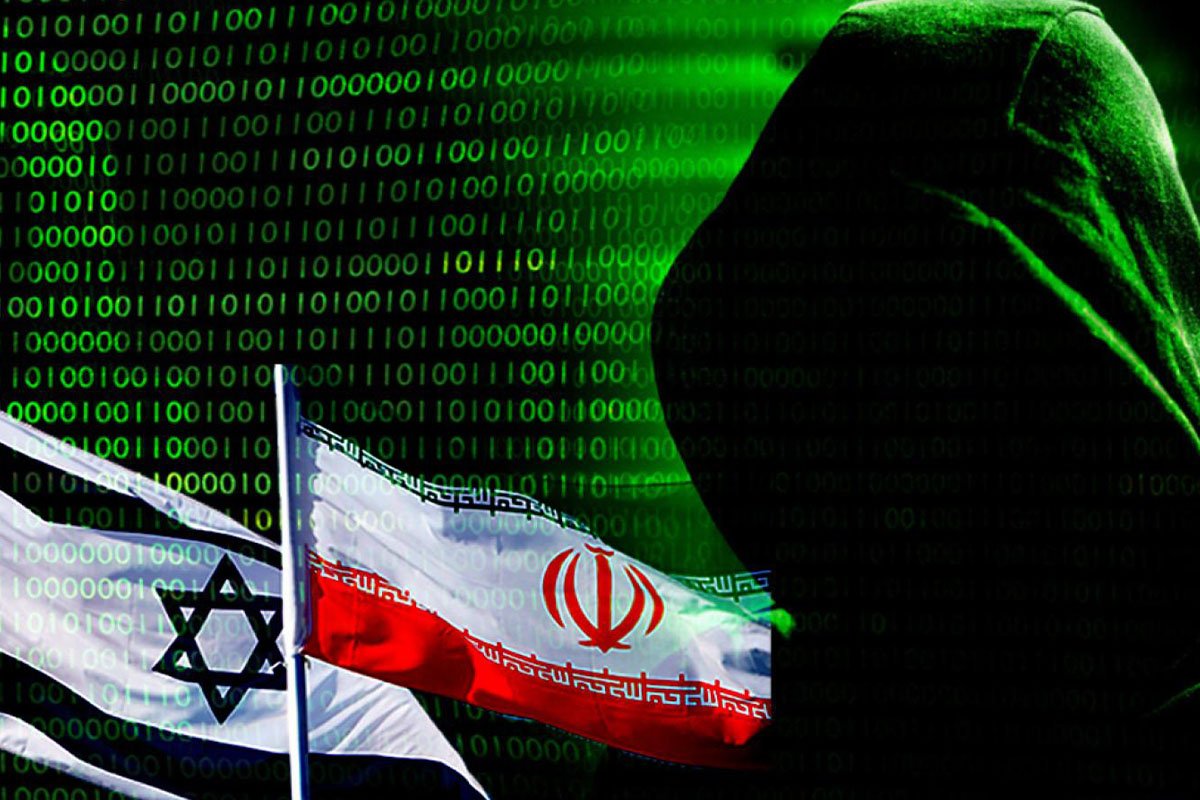
Amid the ongoing military and cyber conflict in West Asia, concerns have emerged regarding the activities of Iranian cyber groups. Reports suggest that the satellite internet service of SpaceX, known as Starlink, is allegedly being used by some Iranian hacker groups to maintain online operations. According to analysis, the Handala hacker group — one of Iran’s most active cyber units — is reportedly using this technology to stay operational despite nationwide internet restrictions.
Handala Threatens US-Israel Targets
Cybersecurity experts claim that the Handala group has been active in conducting cyber campaigns targeting Western countries and their regional allies in the Middle East. The group recently posted messages on the social media platform X, threatening retaliatory cyberattacks against the United States and Israel. However, the actual success rate and operational impact of these claimed attacks could not be independently verified.
FCRF Launches Flagship Certified Fraud Investigator (CFI) Program
30,000 Smuggled Starlink Terminals
Reports indicate that thousands of Starlink terminals may still be functioning inside Iran even after internet restrictions were imposed. Some nonprofit organizations estimate that nearly 30,000 Starlink terminals could be operational in the country, allegedly smuggled through black market channels. Demand for these devices has primarily been driven by users seeking access to uncensored internet services.
Cyber Resilience During Warfare
Cyber analysts believe that military strikes alone cannot completely neutralize cyber networks. Security experts say that missile attacks or conventional military operations may temporarily disrupt cyber activities, but hacker groups often regain operational capacity after a short period. Similar patterns have been observed in several conflict regions where digital warfare continues alongside physical combat.
State-Sponsored Hacktivist Networks
The Handala group is accused of operating within networks linked to Iran’s intelligence ministry. Reports suggest that although the group portrays itself as a hacktivist organization, many security experts consider it state-supported cyber infrastructure. The group has also been accused of stealing personal data of Israeli political figures and leaking it online.
Wiper Malware and App Hacks
Analysts associated with Forbes cybersecurity reporting suggest that the importance of cyber warfare continues to grow during geopolitical conflicts. Experts say that other Iran-linked hacking networks are also active, including a group known as the “Fatimiyoun Electronic Team.” This network is allegedly involved in deploying “wiper malware” designed to completely erase data from Israeli computer systems.
In recent days, a cyberattack was reported against an Iranian prayer and calendar application used by more than five million people. Hackers reportedly broadcast messages through the application, instructing members associated with the Revolutionary Guard forces to surrender while also providing alleged safe zone coordinates for anti-regime protesters. The incident has raised new concerns about the security of digital platforms.
Cyberspace as Strategic Frontline
Experts believe that it is becoming increasingly challenging for technology companies and international security agencies to prevent platform misuse, especially as geopolitical conflicts expand into cyberspace. Debate surrounding Starlink and similar satellite internet technologies has intensified, focusing on whether global connectivity benefits may also carry security risks.
International analysts state that modern warfare has transformed cyberspace into a new strategic front, where information, data, and digital networks are being used as tactical assets. If the current conflict escalates further, the intensity and technical sophistication of cyberattacks are expected to increase in the coming years.
About the author – Rehan Khan is a law student and legal journalist with a keen interest in cybercrime, digital fraud, and emerging technology laws. He writes on the intersection of law, cybersecurity, and online safety, focusing on developments that impact individuals and institutions in India.
