
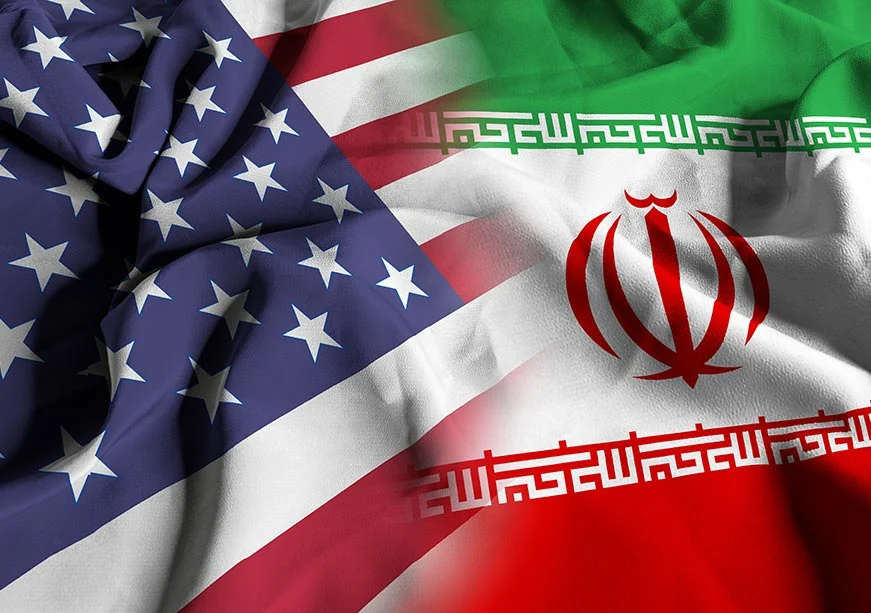
The ongoing geopolitical tensions between the United States and Iran are now casting a shadow over overseas investments made by Indian companies, particularly in the Middle East. According to the latest estimates, nearly 800 Indian micro, small and medium enterprises (MSMEs) have a combined investment of about $1.3 billion (approximately ₹10,800 crore) at risk. A significant portion of this capital has been deployed in the United Arab Emirates (UAE), which has emerged as the second-largest destination for overseas direct investment (ODI) by Indian firms after the US over the past two years.
The situation is considered serious because most of these companies operate on a relatively smaller scale and lack the financial resilience to absorb prolonged disruptions. Market participants warn that if the regional conflict escalates or persists, it could directly impact cash flows, supply chains, and operational stability of these firms.
Retail and hospitality sectors under maximum pressure
Available data indicates that the retail and hospitality sectors are the most vulnerable. Around 280 Indian companies have invested nearly $400 million (approximately ₹3,300 crore) in these segments alone. These industries are heavily dependent on consumer footfall and local demand, both of which tend to decline sharply during periods of geopolitical instability.
Experts point out that sectors linked to tourism, hotels, and retail are usually the first to feel the impact of conflict, leading to revenue contraction and rising operational costs.
FutureCrime Summit 2026 Calls for Speakers From Government, Industry and Academia
Why smaller companies face greater risk
Compared to large conglomerates, MSMEs are inherently more exposed to such external shocks. Their investments are often concentrated in a single geography or depend on limited supply chains. As a result, even minor disruptions—such as delays in cargo movement, interruptions in remittances, or project execution hurdles—can have a disproportionate impact on business continuity.
An industry expert noted that smaller firms typically lack the ability to diversify risk or quickly shift to alternative markets, making their cash flows highly sensitive to instability.
Recent investments now most vulnerable
A large share of these investments has been made in the last six months, with many Indian startups and emerging brands expanding aggressively into the UAE market. These companies were aiming to tap into the region’s growing consumer base and business-friendly environment.
However, it has emerged that a majority of these firms do not have adequate insurance coverage against war or political risks. This significantly increases their exposure under current conditions.
Supply chains and operations under strain
The impact of the conflict is not limited to capital investments alone. Logistics and supply chains are also beginning to feel the pressure. If the situation worsens, disruptions in cargo movement, port operations, and transportation networks could intensify, making timely deliveries and cost management increasingly difficult for businesses.
Long-term outlook for UAE remains positive
Despite short-term challenges, experts believe that the UAE will continue to remain an attractive destination for Indian investments in the long run. Its strong infrastructure, business-friendly policies, and strategic location offer significant advantages that are unlikely to diminish permanently.
What should companies do next?
Industry observers suggest that companies must now strengthen their risk management frameworks. Diversifying investments across multiple geographies, securing political risk insurance, and building more resilient supply chains have become essential.
In addition, closely monitoring geopolitical developments and remaining flexible with investment strategies will be key to minimizing potential losses in an increasingly uncertain global environment.
About the author – Rehan Khan is a law student and legal journalist with a keen interest in cybercrime, digital fraud, and emerging technology laws. He writes on the intersection of law, cybersecurity, and online safety, focusing on developments that impact individuals and institutions in India.
