
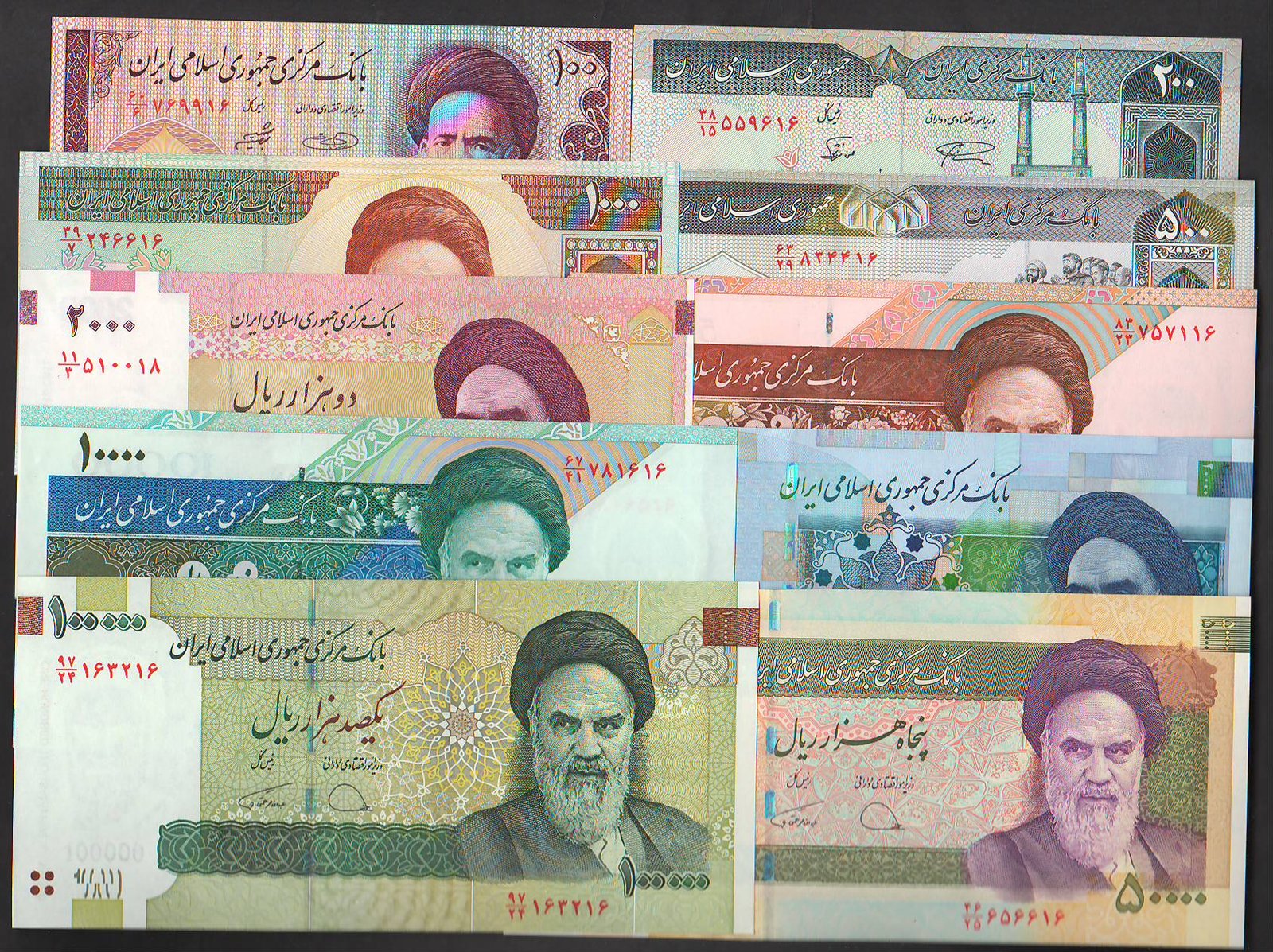
Iran is facing one of its toughest economic moments in recent years. The national currency — the rial — has collapsed to an all-time low against the US dollar, pushing prices sharply higher and squeezing household budgets across the country. As living costs soar, traders and ordinary citizens have taken to the streets in growing numbers.
Analysts believe this wave of demonstrations is Iran’s largest expression of public anger since the 2022 Mahsa Amini protests, but this time the unrest is driven mainly by economic pain.
How the currency crisis deepened
On Monday, the rial slid to nearly 1.42 million rials per US dollar — a dramatic fall from around 32,000 rials during the 2015 nuclear deal era.
- The sharp depreciation has rattled businesses and households alike.
- Everyday essentials have become unaffordable
- Food prices are rising week after week
- Transport and logistics costs have surged
For middle- and low-income families, monthly budgets have collapsed. Fears of tax hikes tied to the Iranian New Year, along with recent fuel pricing changes, have only intensified frustration.
Markets go on strike — protests spread to key cities
What began in Tehran soon spilled into Isfahan, Shiraz, Mashhad and several other cities.
One striking feature of these protests is the active participation of traders.
Shops in the historic Grand Bazaar and other major markets stayed shut as merchants staged strikes, demanding relief measures and more predictable economic policies.
Observers say the traders’ role evokes memories of the mobilization seen during the 1979 Islamic Revolution.
Political ripples — Central Bank chief steps down
Rising pressure has quickly reached the country’s political and financial leadership.
Amid the turmoil, the governor of Iran’s Central Bank resigned, signaling just how serious the situation has become.
Authorities deployed anti-riot units in parts of Tehran, using tear gas in some areas. Videos circulating on social media showed crowds chanting anti-government slogans, reflecting deep frustration across segments of society.
Government’s tone: talks instead of confrontation
President Masoud Pezeshkian has struck a comparatively softer tone than in past crackdowns.
According to official reports, he has asked the Interior Ministry to:
- Listen carefully to protesters’ legitimate grievances
- Hold structured talks with their representatives
- Work toward practical, time-bound solutions
While the government insists it is acting to stabilize the situation, the anger on the streets has yet to subside.
2022 vs 2025 — why this protest feels different
Experts note that the 2022 unrest focused largely on social and civil freedoms under the slogan “Women, Life, Freedom.”
By contrast, today’s demonstrations are fueled by:
- A rapidly deteriorating economy
- Sustained currency depreciation
- Long-running international sanctions
- Job losses and shrinking household incomes
Tensions remain high, and global observers are closely watching the impact on Iran’s political and economic stability.
The road ahead — hope and uncertainty together
Economists warn that unless Iran restores currency stability, reins in inflation and presents a credible economic roadmap, the crisis could deepen further.
For now, the government is rolling out short-term steps — but people are still waiting for visible relief in prices and a return to basic economic predictability.
