

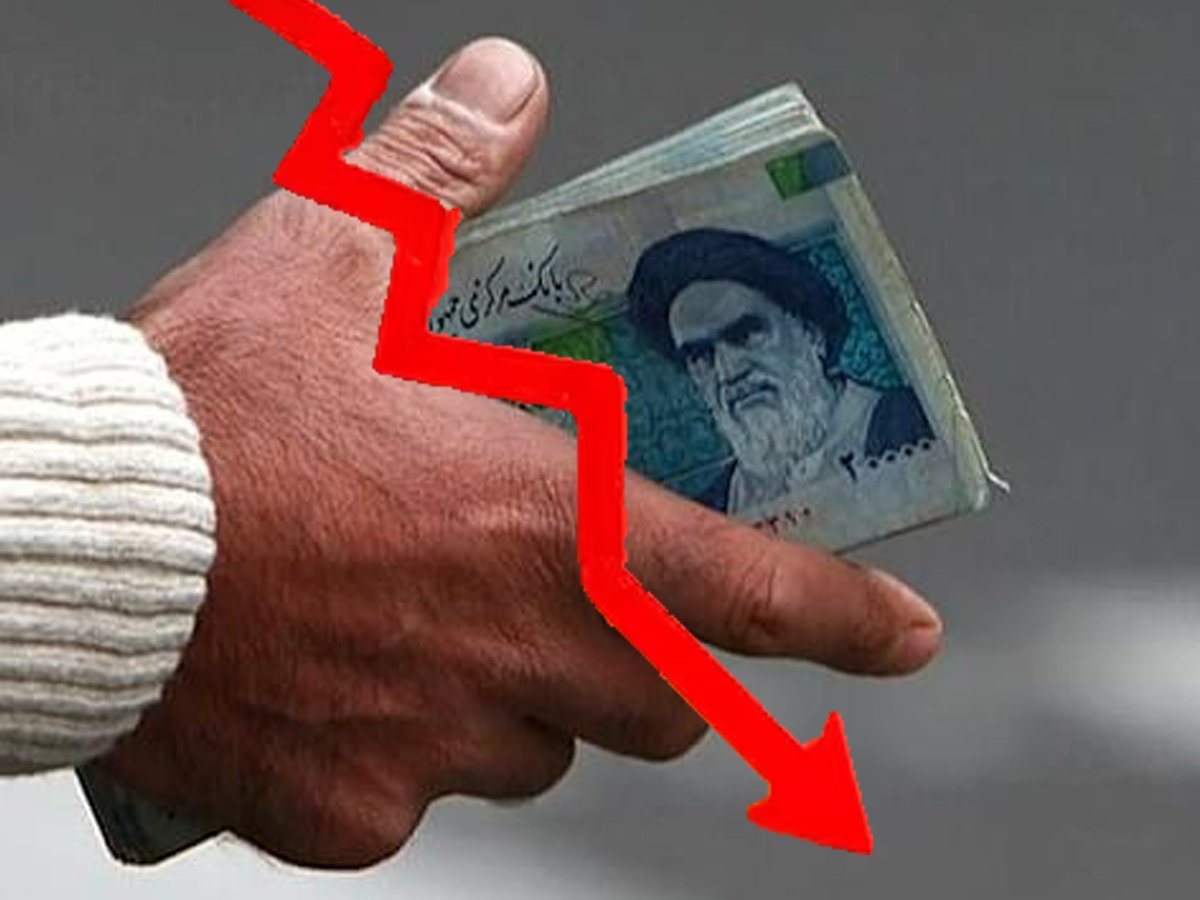

TEHRAN: Iran’s national currency, the rial, has entered a phase of extreme depreciation, with large sections of the population increasingly treating it as functionally worthless. Economists say the collapse is not the result of a sudden shock, but the culmination of years of entrenched inflation, weak economic growth, international sanctions and restricted access to foreign currency. What distinguishes the current moment is not merely the fall in value, but the rapid erosion of public trust in money itself.
The decline of the rial’s purchasing power has rattled Iran’s domestic economy and reignited global discussions on the fragility of fiat currencies. Against this backdrop, Bitcoin and other digital assets have once again entered market conversations not as endorsements, but as indicators of how investors and households behave when confidence in traditional monetary systems weakens.
Certified Cyber Crime Investigator Course Launched by Centre for Police Technology
A long erosion of confidence
Inflation has steadily eaten into Iranian wages for years, while sanctions have curtailed oil exports and isolated the country from much of the global banking network. Official exchange rates have increasingly diverged from real market prices, forcing businesses to rely on informal dollar benchmarks to price goods and services.
At the household level, defensive financial behaviour has become widespread. Salaries are often converted into dollars, gold or durable goods almost immediately after being received. Economists warn that this accelerates currency decline, creating a self-reinforcing cycle: the weaker the trust in the rial, the faster it is abandoned. Such dynamics are a familiar feature of currency collapses across history.
Why Bitcoin resurfaces during currency crises
When confidence in a national currency erodes, public debate naturally expands to include financial alternatives. In Iran’s case, Bitcoin and stablecoins are increasingly discussed because they operate outside domestic banking controls and capital restrictions.
Market analysts caution, however, that these assets are far from risk-free. Sharp price volatility, regulatory uncertainty, legal exposure and uneven access to technology limit their usefulness for the broader population. Yet during periods of acute monetary stress, individuals and investors tend to examine all available options even imperfect ones.
Lessons from earlier crises
Similar dynamics emerged during previous global episodes of financial instability. In 2013, Cyprus faced a banking crisis that included depositor bail-ins, prompting widespread fear over savings security. During that period, Bitcoin surged to record highs, reflecting growing interest in assets beyond traditional banks.
In countries such as Argentina, Lebanon and Turkey, repeated currency devaluations and capital controls brought cryptocurrencies into public and policy discussions. While outcomes varied and risks remained significant, a consistent trend was evident: interest in alternative assets rose alongside declining confidence in state-backed money.
Why global markets are watching Iran
Most analysts agree that Iran’s currency collapse alone is unlikely to determine Bitcoin’s price trajectory. However, it contributes to a broader theme closely tracked by global investors — rising stress within fiat currency systems.
Iran currently faces a combination of sharp currency depreciation, mounting economic hardship, social unrest and tightening financial controls. Historically, such conditions have coincided with increased attention toward non-traditional financial instruments, not because they offer perfect solutions, but because existing systems lose credibility.
This is why Iran’s situation is being viewed as part of a wider pattern rather than an isolated event. Some market observers argue that if similar pressures intensify across multiple economies, Bitcoin could once again challenge the $100,000 mark.
