

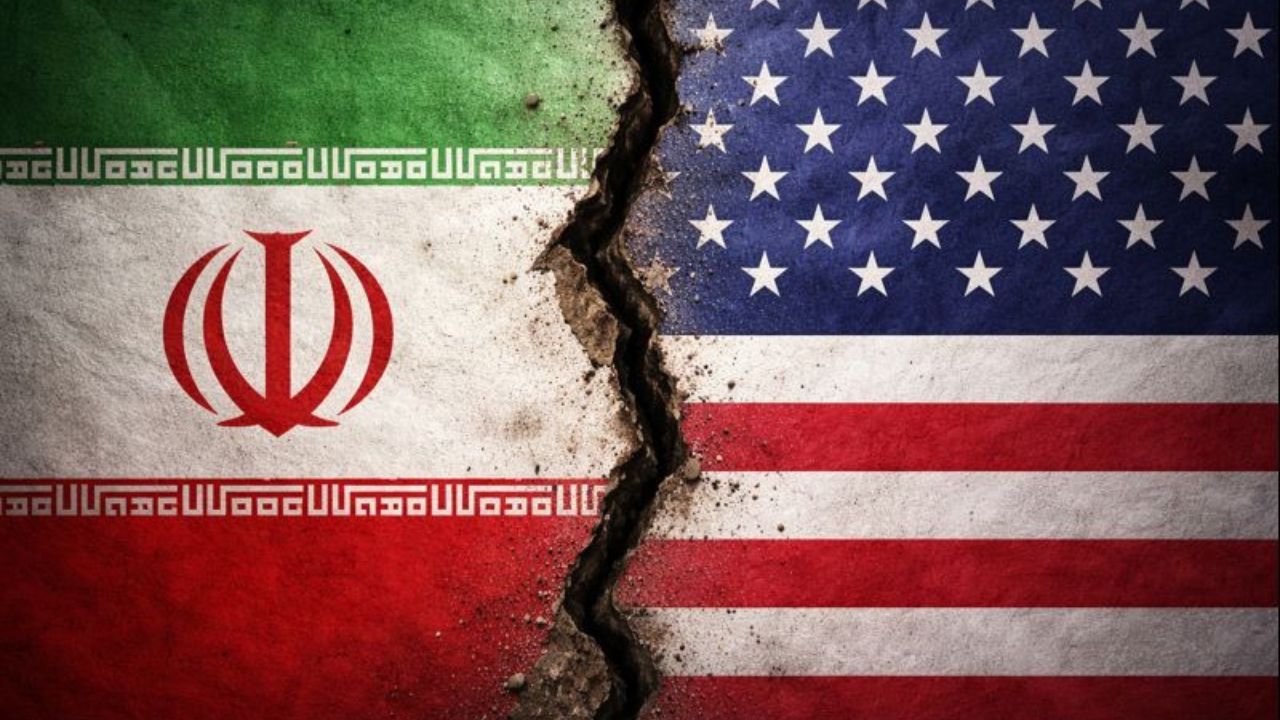

New Delhi | January 6, 2026 | The strategically important Middle Eastern nation of Iran is passing through a phase of intense political and social upheaval. What began as public anger over inflation, unemployment and economic distress has now turned into an open, nationwide anti-government movement. Over the past week, protests across the country have claimed at least 29 lives, while more than 1,200 demonstrators have been detained. The crisis deepened further after US President Donald Trump issued a blunt warning directed at Tehran.
Final Call: FCRF Opens Last Registration Window for GRC and DPO Certifications
Spark in Tehran, protests engulf the nation
The current wave of protests began on December 28 in Tehran’s central market areas. Initially driven by rising prices, the cost of essential goods and a weakening currency, demonstrations rapidly spread beyond the capital. According to reports, protests have now been recorded at over 250 locations across 27 provinces, reflecting the scale and intensity of public discontent.
As the movement expanded, clashes between protesters and security forces intensified. Several cities witnessed arson, damage to public property and pitched street battles. In some areas, authorities imposed tighter security measures and disrupted internet services in an effort to contain the unrest.
Inflation and currency collapse fuel public anger
Iran’s population has been grappling with prolonged economic stress. US sanctions, limited foreign investment and pressure on oil exports have steadily weakened the economy. By the end of December 2025, the Iranian currency, the rial, had plunged to a record low of around 1.45 million rials per US dollar. Official figures put inflation at 42.5 percent, eroding purchasing power at an alarming pace.
Food items, fuel and medicines have increasingly slipped beyond the reach of ordinary citizens. This sustained economic pressure has transformed frustration into widespread street protests.
From economic demands to political revolt
The tone of the protests has now shifted decisively. In multiple cities, crowds have been heard chanting slogans such as “death to the dictator,” widely interpreted as being directed at Iran’s Supreme Leader Ayatollah Ali Khamenei. Analysts say this marks a clear transition from demands for economic relief to calls for systemic political change.
Hardline response, limited relief measures
Supreme Leader Khamenei has adopted a hardline stance, declaring that “rioters must be dealt with firmly,” a remark widely seen as authorising tougher action by security forces.
President Masoud Pezeshkian, meanwhile, has struck a relatively conciliatory tone, calling for dialogue and announcing limited economic relief. The government has promised monthly electronic food credits worth 10 million rials per citizen and changes to the foreign currency subsidy system. However, these measures have so far failed to calm public anger.
US warning escalates international pressure
Tensions rose sharply after Donald Trump warned on social media that the United States would “not remain silent” if violence against peaceful protesters continued, adding that Washington was prepared to consider all options.
The warning is being taken seriously in Tehran, particularly in light of recent US actions in Venezuela, where Washington directly intervened and detained the country’s president. This has fuelled fears that Iran could face Venezuela-style coercive measures if the crisis worsens.
Experts: the real threat is internal
Political and economic analysts argue that Iran’s most serious challenge is not external military intervention but its deepening internal economic collapse. While the state may temporarily suppress protests through force, lasting stability will remain elusive unless inflation, unemployment and the currency crisis are addressed through credible reforms.
What lies ahead
Iran now faces a twin crisis—escalating unrest on the streets and mounting pressure from the United States. What began as an economic protest has reached the very foundations of power. The key question is whether the Iranian leadership will attempt to stabilise the situation through structural reforms and dialogue, or rely on repression and force to crush dissent. The coming days are likely to determine whether the current unrest subsides—or spreads further across the region.
About the author — Suvedita Nath is a science student with a growing interest in cybercrime and digital safety. She writes on online activity, cyber threats, and technology-driven risks. Her work focuses on clarity, accuracy, and public awareness.
