
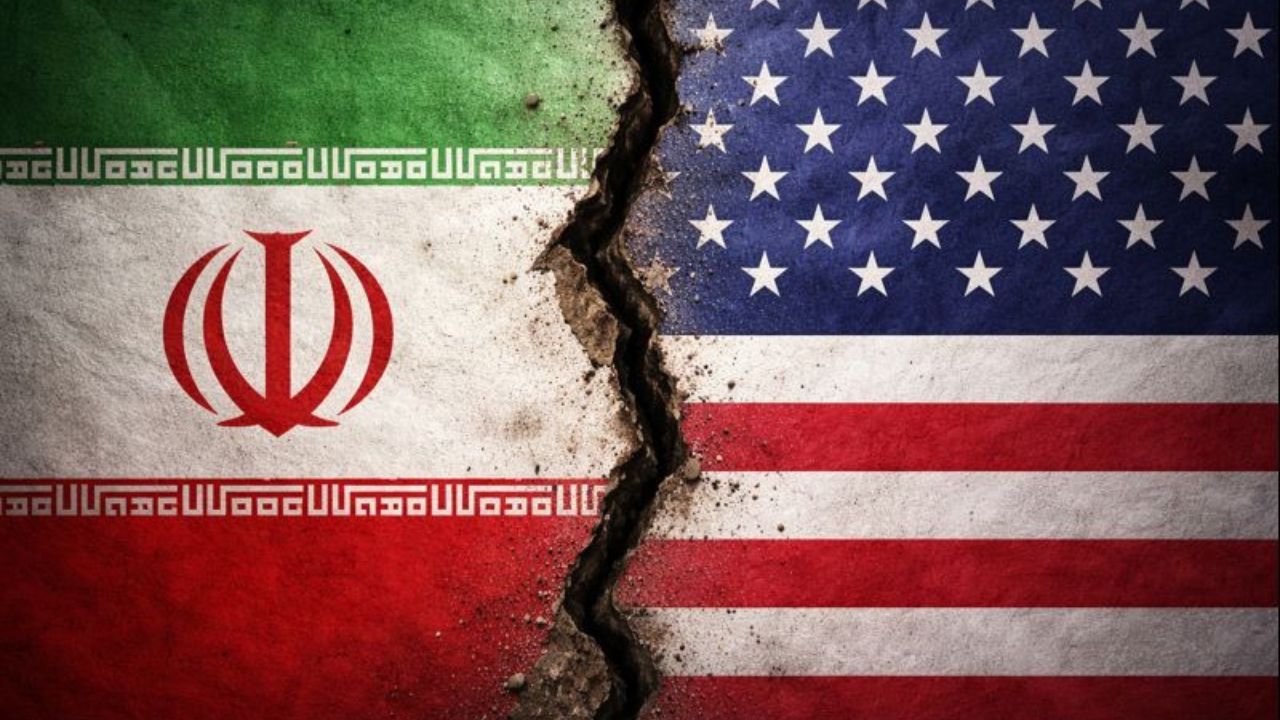
Nationwide protests in Iran are rapidly escalating into a broader confrontation, with violence claiming at least 646 lives so far, according to a US-based human rights organisation. As the unrest intensifies, the United States has stepped up pressure on Tehran by warning of a 25% tariff on countries that continue to do business with Iran.
Analysts describe the unfolding crisis as one of the most serious internal challenges faced by Iran’s leadership since the 1979 Islamic Revolution. A combination of mass protests, an aggressive security response and mounting international pressure has pushed the situation beyond a domestic law-and-order issue, giving it clear geopolitical dimensions.
Data released late Monday indicates that a majority of the confirmed fatalities are protesters, while members of security forces and civilians have also been caught in the violence. Rights groups caution that the true death toll could be significantly higher, citing strict information controls, internet restrictions and limited access for independent observers. Hundreds of additional deaths are reportedly still under verification.
Certified Cyber Crime Investigator Course Launched by Centre for Police Technology
US hardens its stance
Amid the deteriorating situation, the US administration issued a sharp warning that any country maintaining trade ties with Iran would face a 25% tariff on its exports to the United States. Washington has framed the move as a response to Iran’s crackdown on what it describes as peaceful demonstrations.
US officials say the tariff threat is part of a broader pressure strategy that goes beyond economic measures. Reports indicate that policy planners are also examining cyber and military options, including the possibility of coordinated cyber and psychological operations alongside conventional military tools. No final decision on the use of force has been announced so far.
Despite the confrontational rhetoric, US officials have signalled that diplomatic channels with Tehran have not been fully closed. Iranian authorities, for their part, have also said that lines of communication remain open, even as tensions continue to rise sharply.
Impact beyond Iran
The US tariff warning has already begun to reverberate beyond Iran’s borders. Asian financial markets have shown signs of strain, with currencies and equities under pressure amid fears that expanded trade penalties could disrupt regional commerce.
Economists point out that countries such as India and China are among Iran’s key trading partners, particularly in the energy sector. Any escalation in sanctions or tariffs could affect oil prices, global supply chains and the currencies of emerging economies.
Market analysts warn that prolonged instability in Iran, combined with aggressive economic measures, could add volatility to global energy markets at a time when inflationary pressures remain a concern worldwide.
Civil society concerns
International attention has also focused on the impact of the crackdown on women and girls in Iran. Voices from global civil society argue that the current protests cannot be separated from long-standing restrictions on women’s rights and personal freedoms.
Observers say the demonstrations reflect decades of accumulated frustration over limits on education, public participation and individual autonomy. From this perspective, the unrest is seen not as a short-term flare-up, but as a deeper challenge to Iran’s social and political order.
Security tightened in Tehran
Inside Iran, authorities have increased security deployments across major cities, including the capital Tehran. In parallel, pro-government rallies have been organised in some areas. State-run media has blamed the protests on foreign interference, a claim rejected by protesters and international rights groups.
Widespread internet disruptions, restrictions on messaging platforms and tight media controls have made independent reporting difficult. Nevertheless, videos circulating on social media continue to show clashes between protesters and security forces in multiple provinces, suggesting that unrest remains widespread.
Diplomacy or deeper confrontation
Analysts say the crisis has reached a critical juncture. What began as domestic protests has evolved into a confrontation with potential global consequences, shaped by internal instability, economic pressure and external threats.
While Washington maintains that its actions are intended to support the Iranian people, critics argue that sweeping economic penalties could worsen humanitarian conditions without necessarily altering political behaviour.
As protests persist and international pressure mounts, the coming days are expected to be decisive. Whether the crisis moves toward de-escalation through diplomacy or slides into deeper confrontation—with wider economic and security fallout—remains uncertain.
About the author – Rehan Khan is a law student and legal journalist with a keen interest in cybercrime, digital fraud, and emerging technology laws. He writes on the intersection of law, cybersecurity, and online safety, focusing on developments that impact individuals and institutions in India.
