

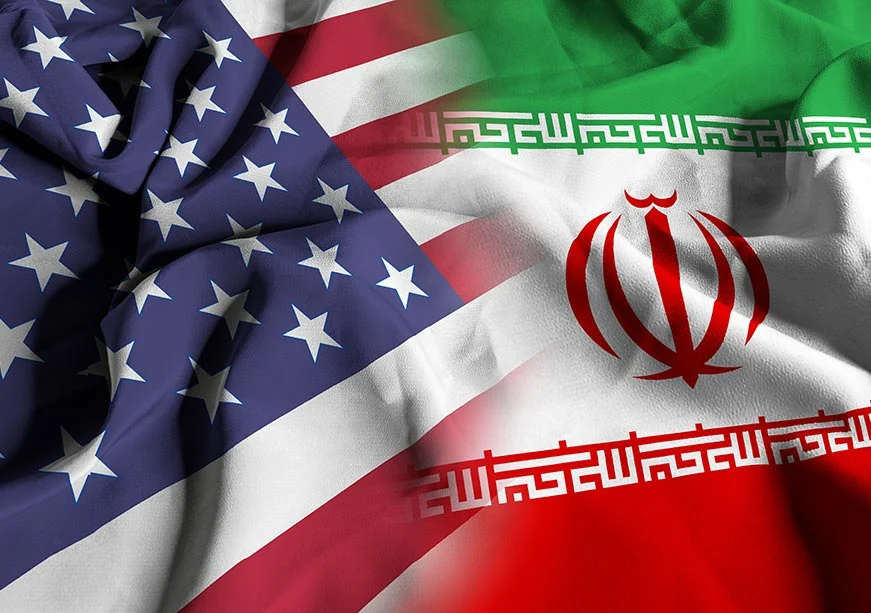
Tensions in West Asia escalated sharply on Sunday as Iran’s Islamic Revolutionary Guard Corps (IRGC) launched what it described as its most intense offensive so far, targeting 27 US military bases across the Middle East along with key Israeli defense installations.
Sixth Wave Retaliatory Strikes
According to reports citing Iranian state media, the IRGC has begun the sixth wave of retaliatory strikes following the killing of Iran’s Supreme Leader Ayatollah Ali Khamenei in joint US-Israel operations. The attacks reportedly involved large-scale missile and drone deployments aimed at strategic American and Israeli facilities in the region.
Gulf Cities Under Attack
Explosions were heard across several Gulf cities, including Dubai, Doha, and Manama, triggering panic among residents. Authorities in multiple countries activated emergency monitoring systems as air-defense networks attempted to intercept incoming projectiles. Some missile debris caused a fire at a berth in Dubai’s Jebel Ali Port, although no casualties were reported.
FCRF Launches Flagship Certified Fraud Investigator (CFI) Program
Iran Vows Continued Revenge
Iranian officials described the strikes as a “harsh step of revenge” and vowed continued action in response to Khamenei’s death. State television quoted political leaders saying the country had prepared for all possible scenarios and would respond forcefully to what they called a crossing of Iran’s red lines by the United States and Israel.
Trump’s Strong Warning
Meanwhile, Iranian Parliament Speaker Mohammad Bagher Ghalibaf warned that both US President Donald Trump and Israeli Prime Minister Benjamin Netanyahu would “face consequences.” He claimed that Iran had strengthened its strategic readiness for prolonged confrontation and was prepared to deal with multiple operational scenarios.
On the other side, Trump issued a strong warning against further Iranian retaliation, saying that any large-scale escalation would invite a military response of unprecedented intensity. In a post on social media, he stated that the US campaign had already inflicted significant damage and warned Iran against launching additional attacks.
Regional Security Alert
Military officials in the United States reported that there were no American casualties so far, while Israel said that a large number of incoming missiles were intercepted by its air-defense systems. Sirens were also reported in parts of Kuwait as regional security forces remained on high alert.
The latest wave of attacks has intensified fears of a wider regional conflict. Analysts say the confrontation reflects deep geopolitical rivalry in West Asia, where military, intelligence, and strategic infrastructure have become central elements of the ongoing standoff.
Global Energy Concerns Rise
Iran has repeatedly vowed revenge after the death of Khamenei, calling the strike a major crime that would not go unanswered. Iranian President Masoud Pezeshkian condemned the assassination, saying the country would respond with “all strength and determination.”
Authorities in the Gulf region are closely monitoring maritime ports, airports, and military installations as the risk of further strikes remains high. Aviation services have also faced disruptions, with hundreds of flights potentially affected by the security situation.
The conflict has raised global concerns over energy security and international stability, as West Asia remains a crucial hub for oil supply and strategic trade routes. Experts warn that continued escalation could push the region toward a prolonged and unpredictable military confrontation.
For now, both sides appear locked in a cycle of retaliation, while diplomatic channels struggle to contain the rapidly expanding crisis in the Middle East. Further developments are expected as military and political responses unfold in the coming hours.
About the author – Rehan Khan is a law student and legal journalist with a keen interest in cybercrime, digital fraud, and emerging technology laws. He writes on the intersection of law, cybersecurity, and online safety, focusing on developments that impact individuals and institutions in India.
