

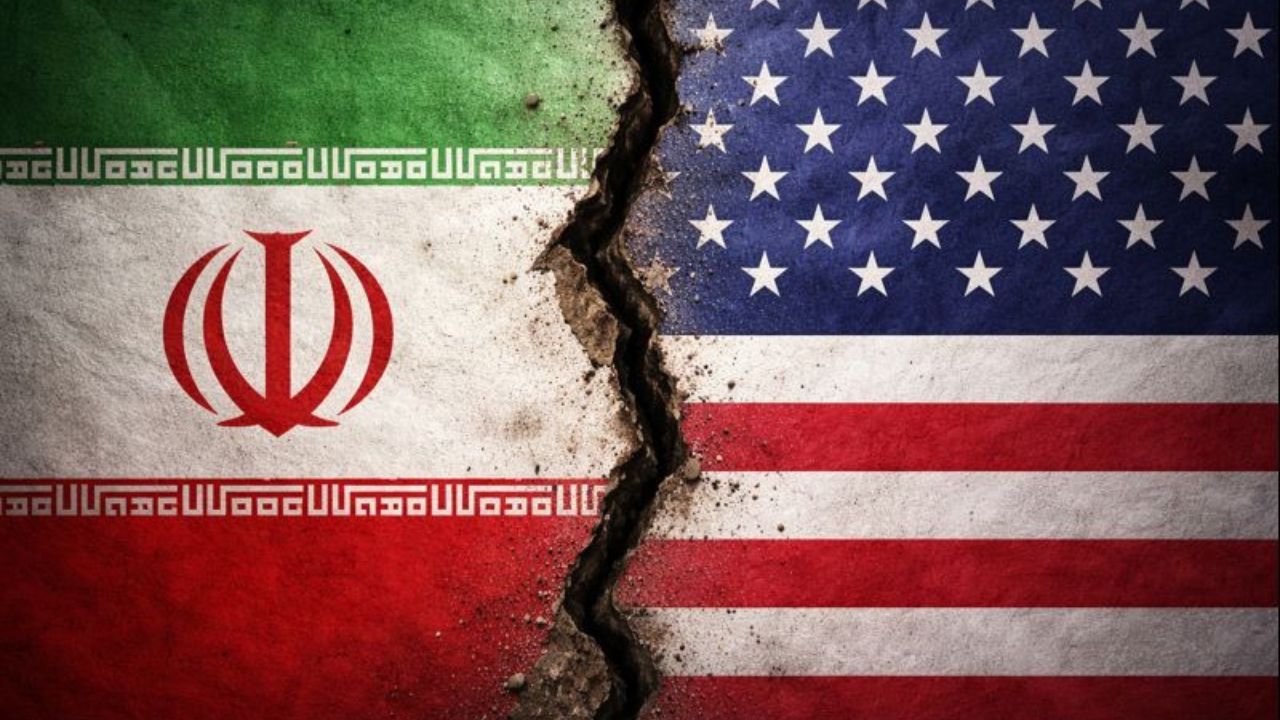

Tehran | Internet services across Iran have been severely restricted amid the ongoing military conflict between the United States–Israel alliance and Iran. The government-imposed digital blackout has disrupted communication both inside the country and with the outside world, raising public concern.
Reports indicate that Iranian authorities enforced network restrictions after the war escalated. Following the military campaign that began on February 28, internet access has been limited in several regions, including the capital Tehran. According to the internet monitoring organization NetBlocks, connectivity has remained at nearly 1% of normal levels for more than 120 hours.
Women in Cyber Policing: Nominations Open for Excellence Awards 2026
The digital blackout has severely affected daily life for ordinary citizens. Access to GPS navigation, online information services, and emergency communication channels has become difficult. Only a limited government-controlled intranet system remains operational locally.
Experts suggest that the restriction may be driven by both national security and information control objectives. Governments in conflict situations often limit communication channels to prevent the spread of military intelligence and strategic information.
Concerns have also grown among Iranian expatriates living abroad. An Iranian-origin woman residing in Germany said she tries every morning to check news to confirm the safety of her family, but the lack of contact has caused severe psychological stress.
Some citizens are attempting to bypass the restriction by using VPNs and other unauthorized digital tools. Reports suggest that around 50,000 special government-linked SIM cards remain active, providing selective social media and communication access to authorized users.
Authorities have also discouraged the use of foreign satellite internet services. Some users reportedly attempted to access Starlink services associated with entrepreneur Elon Musk, although the government considers such platforms a security risk.
Communication experts warn that information blackouts can increase the risk of misinformation. During such periods, pro-government and other groups may use the social media vacuum to spread narratives supporting their interests. Analysts believe that lack of transparent information flow can increase civilian safety risks in conflict zones.
Amid military tensions, warnings of possible attacks have been issued by the Israel Defense Forces, but the internet shutdown has prevented many civilians from receiving timely alerts. This raises concerns about the effectiveness of evacuation and emergency safety systems during aerial strikes.
Social science experts in Iran argue that communication restrictions create not only individual inconvenience but also a broader social crisis. Prolonged blackouts make it harder to organize public protests and limit the flow of information to international media.
Human rights activists emphasize the need to restore internet services to ensure civilians receive timely security warnings and humanitarian assistance. Experts say information control has increasingly become a strategic tool in modern warfare.
The conflict situation and digital restrictions are being closely monitored by the international community. Analysts warn that if the war continues for a longer period, communication disruption may worsen, potentially affecting regional stability.
