

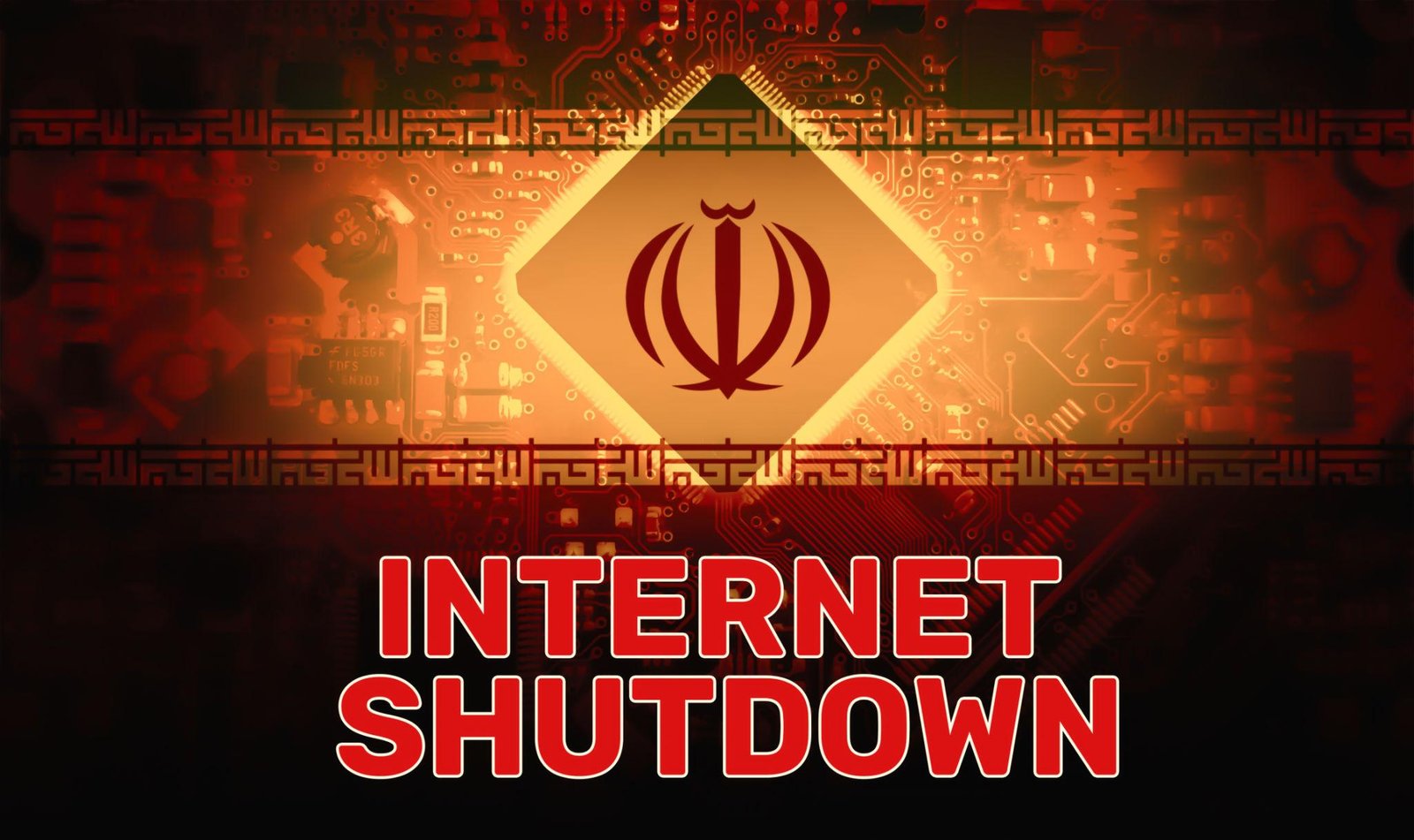

New Delhi: Following the death of Supreme Leader Ayatollah Ali Khamenei, Iran has imposed a strict nationwide internet blackout amid rising tension and fear of public unrest. Authorities argue that restricting communication channels can help control possible protests and maintain security. However, despite the digital shutdown, videos of missile strikes, bombings and street demonstrations are continuously surfacing on social media, raising serious questions about how information is still reaching the outside world.
Satellite Internet Access
According to sources and technical analysts, several limited but functional digital pathways may still be operational inside the country. The most discussed possibility is satellite internet connectivity. Reports suggest that some people may have secretly accessed satellite internet terminals. Although there is no official confirmation, it is believed that such terminals could have been transported into Iran through routes involving Dubai and nearby regions. This arrangement may allow a small number of users to access the internet and share information.
FCRF Launches Flagship Certified Fraud Investigator (CFI) Program
Proxy and Encrypted Bridge Networks
Cybersecurity experts say censorship bypass tools are also playing a significant role in information circulation. Encrypted proxy systems such as Snowflake are reportedly being used to create small digital bridges that enable data transmission. These tools divide internet traffic into multiple pathways, making it harder for surveillance systems to track online activity. Through such technologies, users may upload restricted content even under network bans.
Physical Data Smuggling
Physical data transfer is also considered a traditional yet effective method. Several activists are allegedly storing videos and photographs in pen drives, memory cards, or other storage devices and attempting to move them outside the country. Once they reach locations with internet access, the stored content is uploaded to social media platforms. Although this method is slow, it is considered useful during complete network shutdowns.
Limited Institutional Access Channels
Analysts also believe that some limited-access internal networks within Iran may still be operational. Internet facilities available to senior government officials and certain institutions could be contributing to possible information leakage. There are concerns that some content might be reaching outside platforms through such secure networks.
Why Total Digital Control Is Nearly Impossible
Experts from the Future Crime Research Foundation have stated that completely blocking information flow in the digital age is technically challenging. As communication technology continues to evolve, new methods of bypassing censorship are also emerging. The organization emphasized that balancing information control and cybersecurity in conflict zones has become a major global challenge.
At present, the situation in Iran remains tense due to the internet restrictions and information control measures. International cyber and security experts are closely monitoring the developments, as the emergence of new digital communication channels could potentially influence future geopolitical conflicts.
