

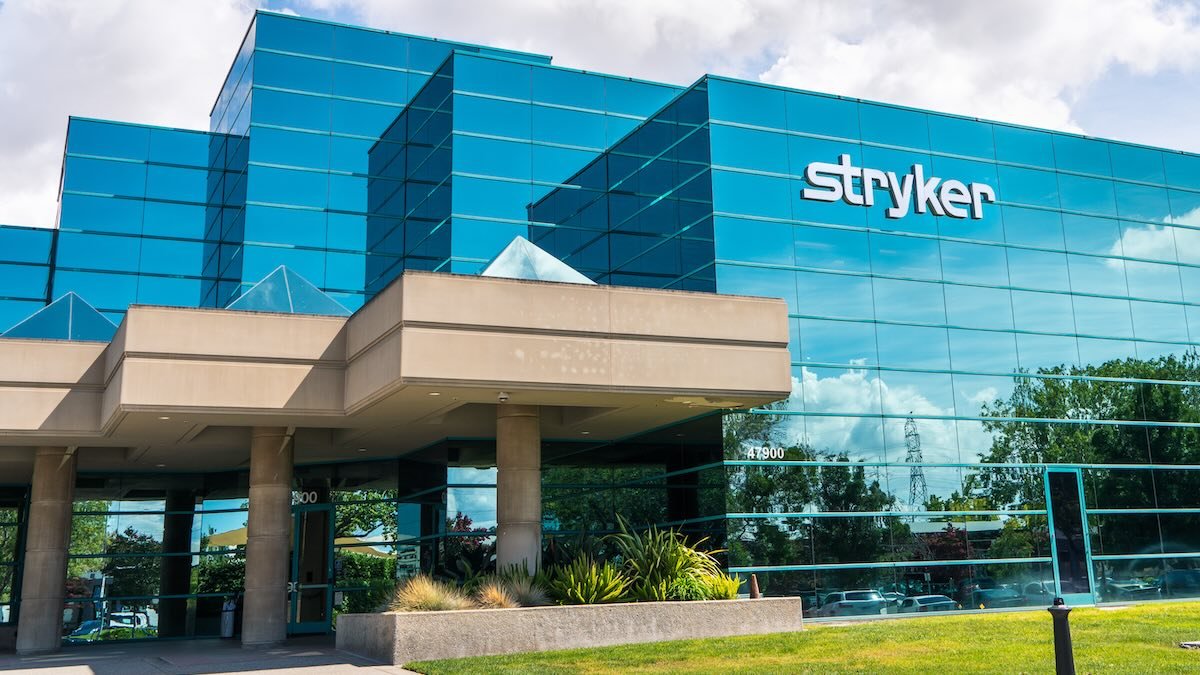
Medical technology giant Stryker has been hit by a massive international cyberattack, with its Cork, Ireland headquarters among the hardest impacted sites worldwide. Suspected Iranian-affiliated hackers from the group Handala claimed responsibility, alleging the strike retaliates against U.S.-Israeli military actions, including a deadly assault on an Iranian school that killed over 170, mostly schoolgirls. The “wiper” malware assault remotely erased data from over 200,000 Windows devices—laptops, phones, and servers—leaving thousands of employees locked out since March 10, 2026.
Stryker, which employs up to 5,000 in Ireland with Cork as its European nerve center, confirmed a “global network disruption” affecting its Windows environment. Login screens flashed the pro-Palestinian Handala logo, a hallmark of the group’s operations tied to Tehran. The hackers boasted of extracting 50 terabytes of sensitive data now “in the hands of the free world,” though independent verification remains pending. Disruptions began around 4 PM EST on March 10, halting operations across U.S., European, and Asian facilities.
Anatomy of the Wiper Attack
Wiper malware, unlike ransomware, prioritizes destruction over extortion—permanently shredding data to sow chaos, often for geopolitical motives rather than profit. Ireland’s National Cyber Security Centre (NCSC) is liaising with international partners, classifying it as a high-severity politically motivated incident. Microsoft’s Intune platform, used for device management, appears compromised, enabling remote wipes.
Experts note Handala’s sophistication: prior ops targeted Israeli infrastructure, but this global scale signals Iran’s cyber arsenal expansion amid U.S.-Israel tensions. Stryker’s business continuity plans are active, prioritizing patient safety—no device malfunctions reported yet. Recovery could take weeks, involving forensic rebuilds and potential data ransom negotiations, though none confirmed.
Broader Implications for Cyber Warfare
This breach underscores vulnerabilities in medtech supply chains, where interconnected IoT devices amplify risks. Stryker’s implants, surgical tools, and orthopedics serve millions; any prolonged outage threatens hospitals worldwide. U.S. officials eye attribution to Iran, potentially triggering sanctions or counter-cyber ops.
For firms like Stryker, lessons include segmenting networks, zero-trust architectures, and air-gapped backups. The attack’s timing—post-Middle East escalations—fits Iran’s “Axis of Resistance” playbook.
Stryker vows swift restoration: “Our teams are working around the clock; customer service remains our priority.” As investigations unfold, this incident spotlights cyber’s frontline in hybrid warfare, urging global vigilance.
About the author – Ayesha Aayat is a law student and contributor covering cybercrime, online frauds, and digital safety concerns. Her writing aims to raise awareness about evolving cyber threats and legal responses.
