

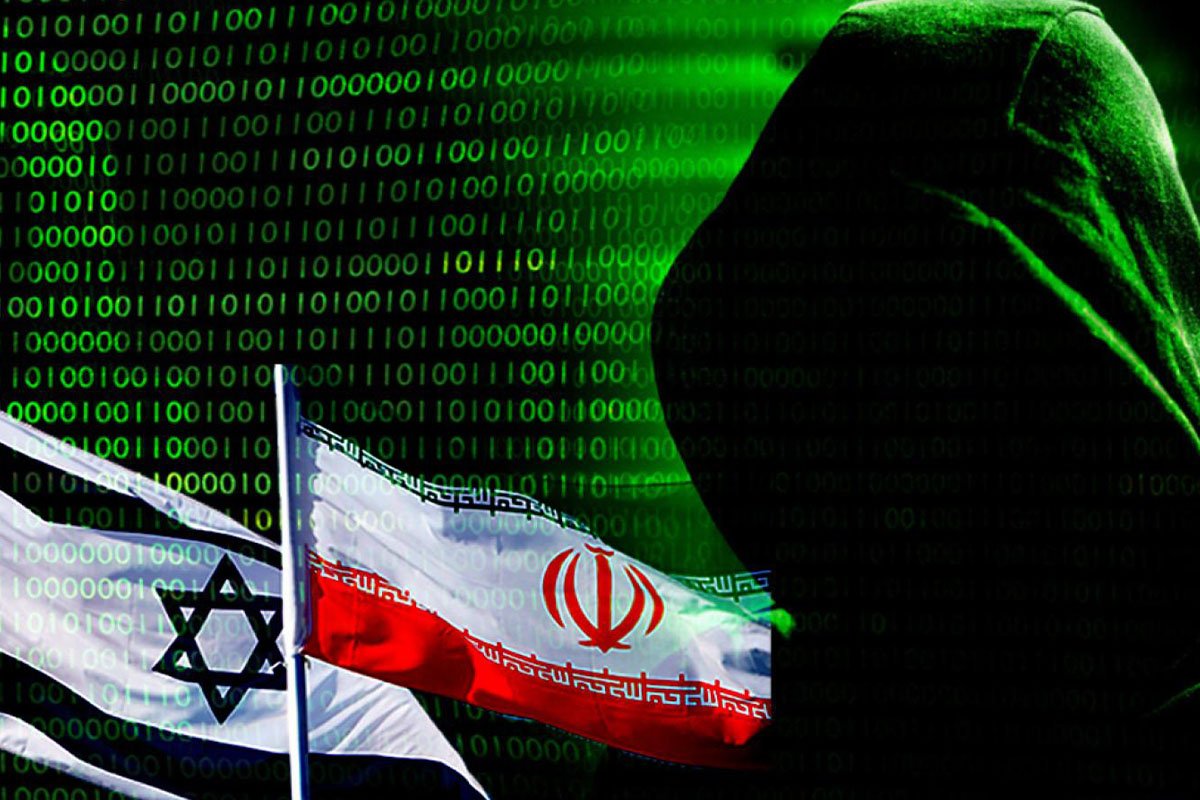
Recent US and Israeli strikes on Tehran have ignited a fierce cyber backlash from Iranian proxies, endangering American corporations with unpredictable hacks. A compromised Iranian prayer app, BadeSaba, with over 5 million users, blasted provocative notifications urging a “People’s Army” to resist, mimicking calls for surrender amid the chaos.
Escalating “Great Epic” Cyber Campaign
Iran’s “Cyber Islamic Resistance” unleashed its most aggressive operations yet, targeting gas stations in Jordan and US-Israeli military suppliers with data destruction and psyops. Flashpoint analysts predict “extreme volatility” in the next 48 hours as decentralized hacktivists fill the leadership void left by strikes on Iranian command. These groups coordinate via Telegram and Reddit, posting unverified attack screenshots that sow confusion globally.
FCRF Launches Flagship Certified Fraud Investigator (CFI) Program
Decentralized Proxies Heighten Corporate Risks
With Tehran’s central cyber oversight crippled, rogue actors like 19-year-old hackers could strike mid-sized US logistics firms without restraint, warned Kathryn Raines of Flashpoint. This shift to autonomous targeting amplifies threats beyond major powers, exposing everyday businesses to sudden disruptions. Iranian resilience in cyber warfare, honed by emulating Russian tactics, makes retaliation low-cost and high-impact.
Psychological Operations Target Workforce Trust
Corporate defenses falter against “nihilistic psyops” like deepfake CEO alerts or fake evacuation orders, especially in Gulf regions with disrupted communications. Unlike data theft, these erode employee morale and decision-making during crises, catching firms off-guard. Brian Carbaugh, ex-CIA operative and Andesite CEO, stresses Iran’s cyber pride will fuel prolonged aggression alongside missiles and proxies.
Urgent Preparedness for US Boards
C-suites must prioritize recovery time over mere block rates, reassessing offline tolerance for critical functions. Key queries include elevated risk status, mitigation steps, partner threat-sharing, and AI detection tools. This conflict demands sustained vigilance across cyber, physical, and supply chain assets, with no quick resolution in sight
About the author – Ayesha Aayat is a law student and contributor covering cybercrime, online frauds, and digital safety concerns. Her writing aims to raise awareness about evolving cyber threats and legal responses.
