
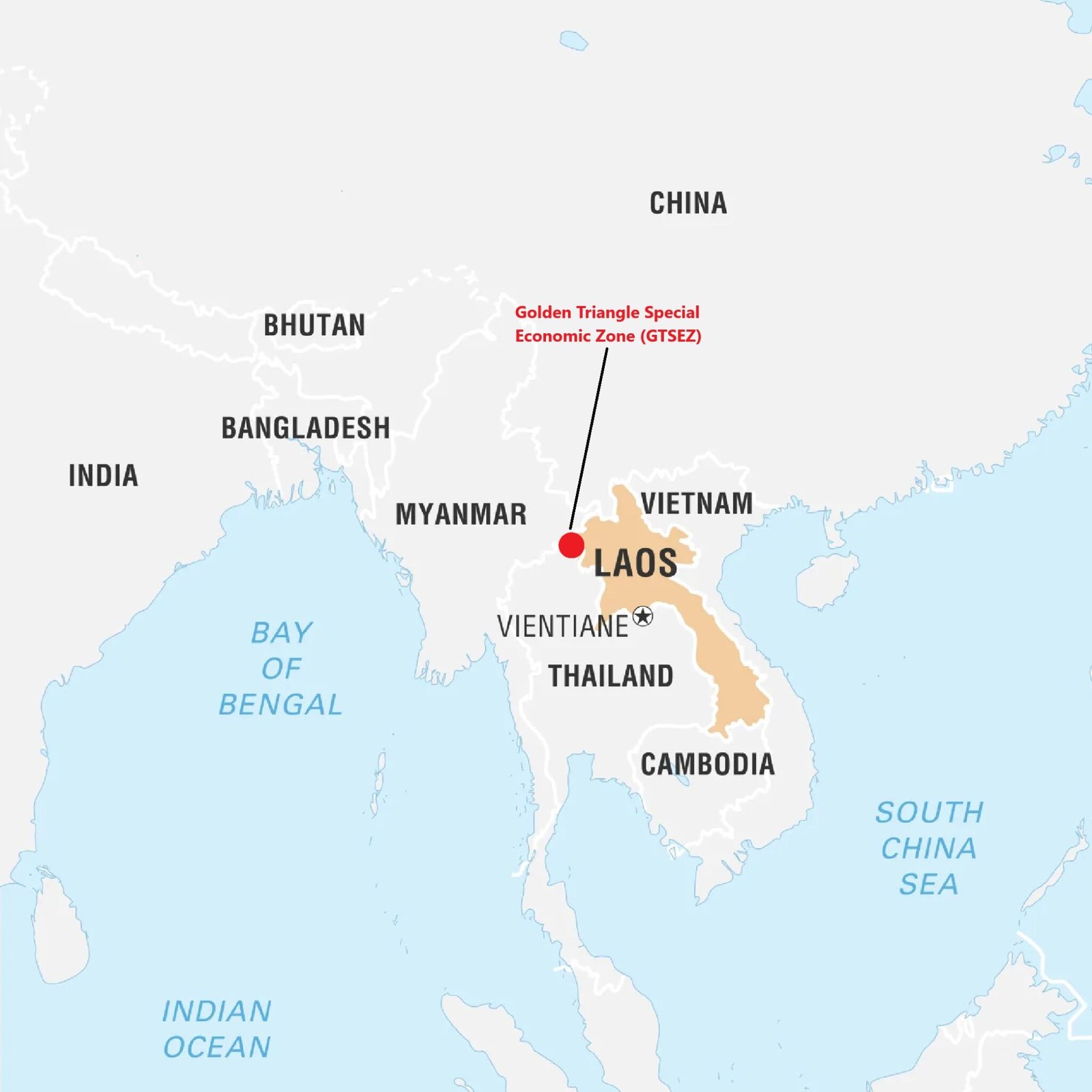

INDORE: A sweeping investigation in central India has pulled back the curtain on a sprawling transnational cyber-fraud enterprise one that blends digital deception, human trafficking, and corporate-style management, stretching from Indore to the Golden Triangle Special Economic Zone in Laos.
A Case That Began With a Phone Call
The scheme started, as so many have, with a trembling voice on the other end of a video call. According to investigators in Indore, a 59-year-old woman was thrust into a carefully staged drama: men impersonating officers from India’s top investigative agencies CBI, ED, RBI, and the police told her she was implicated in a money-laundering case. Her only chance at avoiding a “digital arrest,” they warned, was to comply with their verification procedures.
The procedure was fiction. But the consequences were real. Over several days, scammers secured access to her financial accounts and quietly siphoned away ₹1.60 crore. When she sought help, the Indore Crime Branch opened what has now become one of India’s most significant cyber-fraud cases of the year. What police found next was far larger than a single con.
A Network Far Bigger Than Indore
As arrests mounted across Madhya Pradesh, Gujarat, Punjab, Uttar Pradesh, and West Bengal, detectives began mapping a network with startling geographic and organizational reach. What emerged was a template for a new era of cybercrime: decentralized recruitment inside India feeding into tightly controlled, factory-like scam centers in Laos.
The Golden Triangle Special Economic Zone (GTSEZ), long scrutinized for opaque business practices and extraterritorial governance, appears at the center of the operation. Police say it functioned as a command hub where trafficked Indian workers were forced to run elaborate digital schemes for foreign handlers.
Saurabh Singh of Gujarat and Patras Kumar, known as “Kelis,” from Punjab, were among 19 suspects detained in India. Their testimonies, investigators say, provided the first coherent picture of how recruits were funneled through fraudulent “data-entry job” offers in Thailand and rerouted to Laos where escape was nearly impossible
Inside the Scam Factories of the Golden Triangle
Interviews with arrested operatives and early forensic evidence point to a rigid, tiered hierarchy modeled after corporate sales units. At the bottom were “finders,” tasked with scanning social media and dating platforms for emotionally vulnerable targets. Above them, “chatters” cultivated rapport—sometimes over weeks—until victims were primed for extortion or investment fraud.
Team leaders monitored daily quotas. Directors oversaw multiple teams. At the apex sat a group of foreign supervisors, allegedly Chinese nationals, including one man frequently referred to by suspects as Lizo.
Indian authorities say they have obtained and circulated Lizo’s photograph through the national BharatPol Portal as part of an ongoing international identification effort. The move underscores the case’s widening diplomatic contours, with law-enforcement networks in Southeast Asia pulled into the inquiry.
Amid the hierarchy, one detail stood out: the systematic use of Indian SIM cards, more than 350 of them, procured with forged documents inside India and smuggled into Laos. These allowed scam centers to call Indian victims from familiar-looking domestic numbers masking their true location thousands of miles away.
Torture, Coercion, and the Human Cost
The economic machinery of the scam concealed a far darker reality for those inside it. Police officials in Indore describe testimonies from rescued Indians that point to coercion, beatings, confinement, and electric shocks. Workers were made to toil up to 18 hours a day, punished for missed targets, and locked in dark rooms with their hands and legs tied.
“They were held hostage,” said Rajesh Dandotiya, Additional DCP (Crime), who is helping coordinate the ongoing operation. “This was not ordinary cybercrime. This was cybercrime enforced through physical violence.”
Investigators are now conducting an intensive cyber-forensic review of seized devices, tracking money trails, monitoring communications with foreign handlers, and examining digital evidence—including disturbing videos—that may corroborate accounts of torture.
A special team has been formed in Indore to coordinate with central agencies and international partners in Laos and Thailand, with the stated aim of dismantling the network at its source.
