

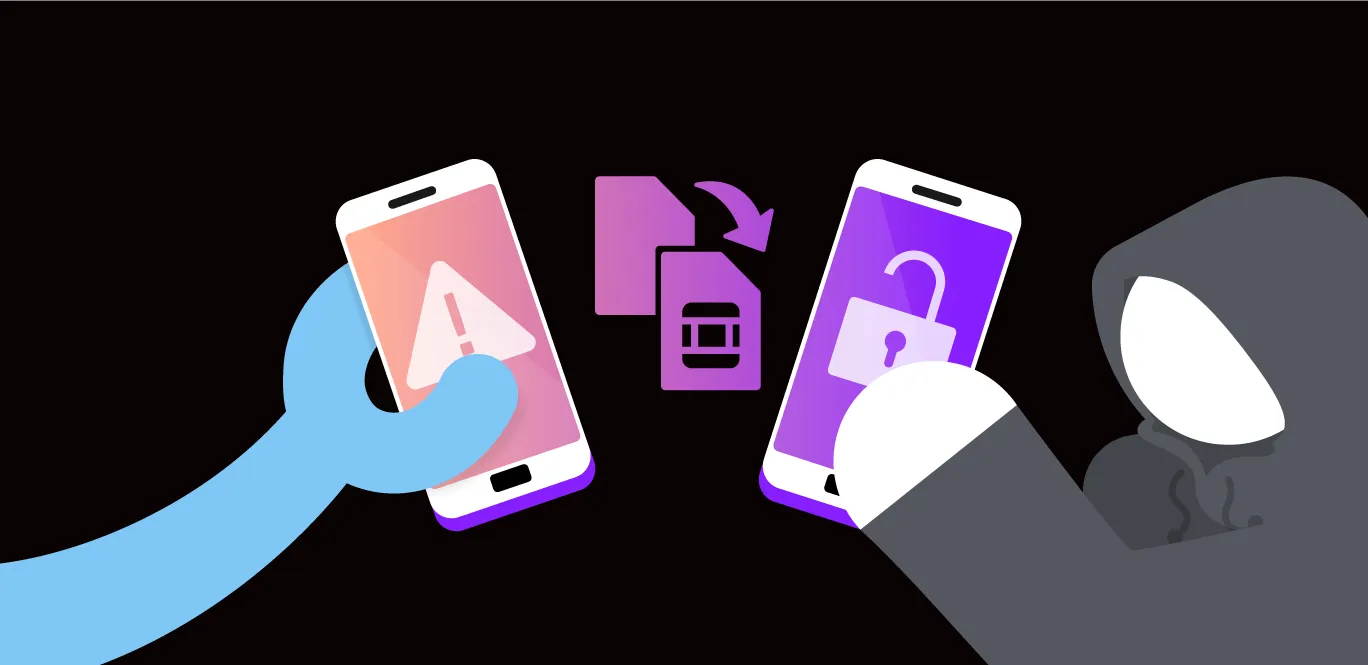

As the digital economy integrates further into the palm of the hand, a vulnerability in the telecommunications infrastructure is being exploited with devastating precision. SIM swap fraud, an identity-based heist, allows criminals to hijack a victim’s entire digital existence by tricking service providers—turning a tiny piece of plastic into a master key for bank accounts, private data, and personal security.
The Ghost in the Network
In the remote reaches of Kashmir, an Indian Army soldier found himself at the center of a silent, digital ambush. While he was posted in an area far from urban infrastructure, his mobile connection—a lifeline for banking and communication—suddenly died. It was not a technical glitch, but a calculated “SIM swap.”
A fraudster had successfully impersonated the soldier to his telecommunications provider, securing a duplicate SIM card in his name. Because a mobile number can only be active on a single card at once, the soldier’s legitimate SIM was deactivated the moment the criminal’s card was initialized. By the time the soldier could reach the nearest city to investigate the outage, the intruder had already bypassed his SMS-based security layers, accessed his bank accounts, and drained his cash.
Certified Cyber Crime Investigator Course Launched by Centre for Police Technology
The Anatomy of an Identity Hijack
SIM swap fraud is a form of identity-based cybercrime that targets the weakest link in modern security: the mobile phone number. According to Jaydeep Singh, General Manager for India at Kaspersky, the attack typically begins long before the SIM is actually swapped. Criminals use phishing, social engineering, or data harvested from previous leaks to build a profile of the victim.
Once armed with this personal information, attackers manipulate telecom providers into transferring the number to a new SIM card under their control. “After the SIM is swapped, access to email, banking, social media, and cryptocurrency accounts can quickly follow,” Singh noted. The damage is often immediate. Because many digital services still rely heavily on SMS-based two-factor authentication, the hijacker becomes the recipient of every one-time password (OTP) and verification code intended for the victim.
The Limits of Digital Defense
While the threat is pervasive, certain financial systems have introduced secondary hurdles. In the case of India’s Unified Payments Interface (UPI), a SIM swap alone is often insufficient for a total takeover. The system requires additional safety features, such as an Aadhaar number or bank debit card details, to link the UPI app to a new device.
However, Singh cautions that over-reliance on any single defense can create a “false sense of security.” Cybercriminals are increasingly evolving their tactics, combining the initial SIM swap with malware or full account takeover techniques to bypass these single-layer protections. For many consumers, the first realization of the fraud is the total loss of service—a signal that the attacker has already moved into their private digital accounts.
The Architecture of SIM Binding
As a technical countermeasure, “SIM binding” technology has emerged as a significant, though not infallible, deterrent. Rather than relying solely on a phone number, SIM binding technically links a user’s account access to a specific SIM card, a specific device, or a unique combination of network identifiers.
When a login or transaction attempt occurs, the system verifies whether the request originates from the “trusted” SIM or device profile. If the SIM has been changed or reissued without authorization, the system can restrict access or flag the account for additional verification. While this reduces the effectiveness of attacks that depend on intercepting SMS codes, security experts emphasize that it must be part of a broader strategy. Effective protection now requires a layered approach: moving away from SMS-based codes in favor of app-based or hardware-backed authentication, alongside continuous account monitoring.
