

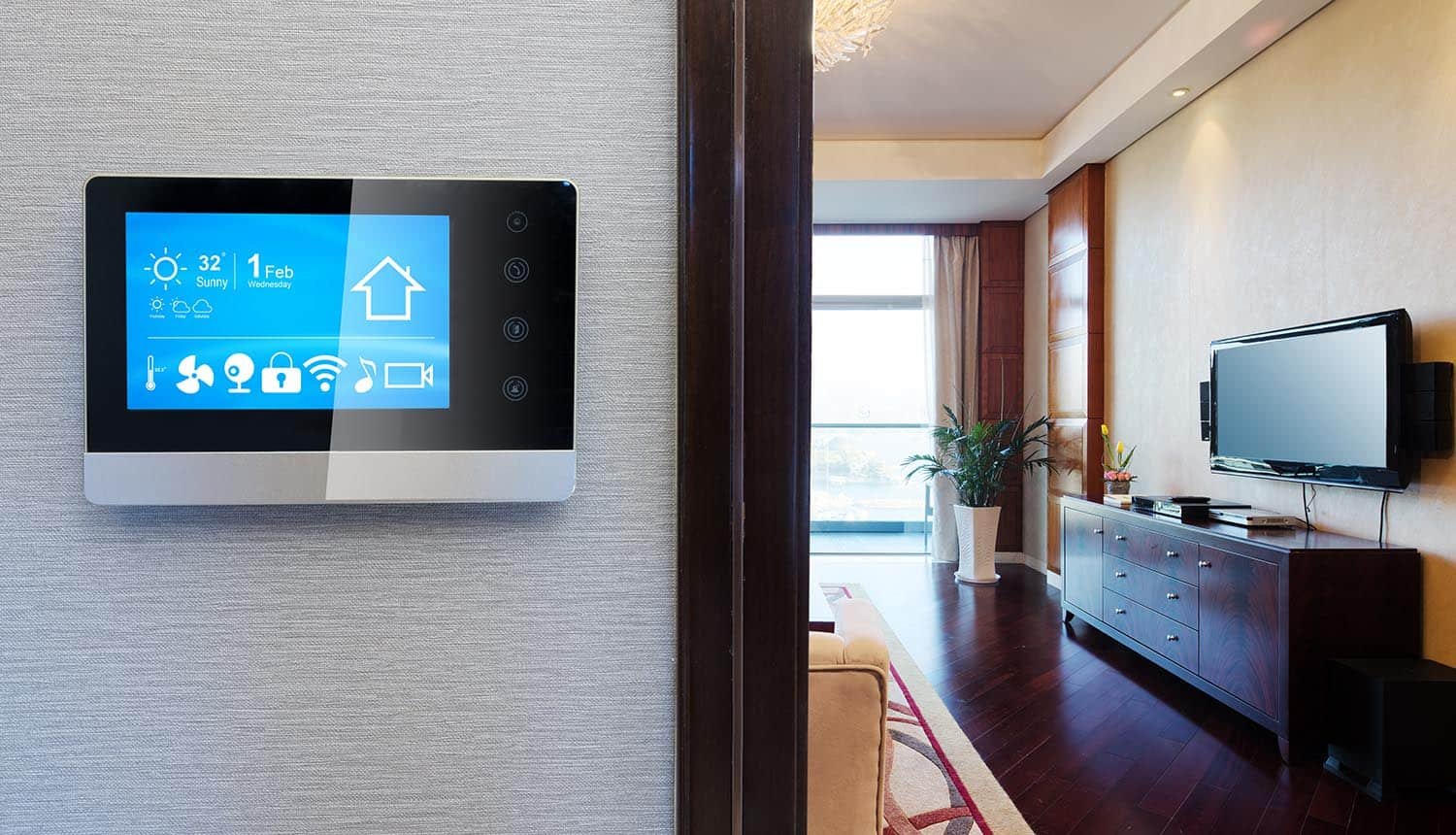

As smart televisions, speakers and routers quietly spread across Indian households, they are doing more than delivering convenience. They are generating a steady stream of data about daily life—often without users fully understanding where that information travels, or who ultimately benefits from it.
Homes That Listen, Watch and Transmit
In recent years, India’s homes have begun to change in subtle but consequential ways. What were once private living spaces are increasingly populated by connected devices—smart televisions, Wi-Fi routers, voice assistants, cameras, fitness trackers and plugs—each designed to make daily routines easier. Collectively, they are transforming houses into dense networks of sensors.
These devices do not merely respond to commands. They also record patterns: what is watched, when screens are turned on, how often voices are heard, which devices connect to the internet and for how long. With every click, command or stream, small packets of information are created and sent outward. As their numbers grow, so does the volume of data flowing from ordinary homes.
Certified Cyber Crime Investigator Course Launched by Centre for Police Technology
Affordable hardware, cheaper internet access and simple installation have accelerated this shift. What was once limited to premium households has reached middle-class homes, embedding connected technology deeply into everyday life.
The Infrastructure Behind Everyday Convenience
At the centre of this ecosystem are routers and smart speakers—devices rarely seen as intrusive, yet central to data collection. Routers keep detailed logs of which devices connect, at what times and how much data they consume. Smart speakers remain linked to cloud servers to process voice commands, often storing and uploading recordings under the banner of “service improvement.”
Smaller devices play their part as well. Smart plugs and home cameras stay in constant contact with remote servers, sending activity data continuously. These connections are not occasional; they are persistent, forming an always-on channel between the home and external networks.
While manufacturers describe this flow as necessary for functionality and updates, much of the information is retained, analysed or shared beyond the device itself. The technical processes remain largely invisible to users, folded into default settings and lengthy privacy policies.
Where Household Data Travels
The question of where this data goes has no single answer. Device makers are only one part of the chain. Internet service providers, cloud companies, advertising networks and analytics firms all become linked, directly or indirectly, to the information generated inside homes.
Over time, fragments of household data are combined and repurposed. Viewing habits, listening preferences, screen usage and even the number of people present in a home can be inferred. This information increasingly feeds advertising systems and business decisions, shaping what content is promoted and how users are profiled.
Smart televisions illustrate this clearly. Modern TVs are connected platforms equipped with automatic content recognition technology, capable of identifying what appears on the screen—even when the source is an external device or an over-the-top app. Patterns are detected and transmitted back to servers, where they are used to refine advertising and build detailed user profiles.
Awareness, Regulation and the Gap Between Them
Despite the scale of data generation, consumer awareness remains limited. Most users do not read privacy policies in full, and tracking or data-sharing features are often switched on by default. Disabling them, when possible, requires navigating complex settings, leaving many unaware of what is being collected or why.
India has data-protection laws, but clear guidance on information generated by household devices is still evolving. A gap persists between policy and public understanding, particularly as connected devices become more common. Until users fully grasp how much data their homes produce, and how widely it circulates, the line between private space and digital surveillance is likely to continue blurring.
As smart devices multiply, Indian homes are no longer just places to live. Quietly and continuously, they are becoming sources of data—feeding an economy built not only on connectivity, but on information drawn from the most intimate corners of daily life.
