

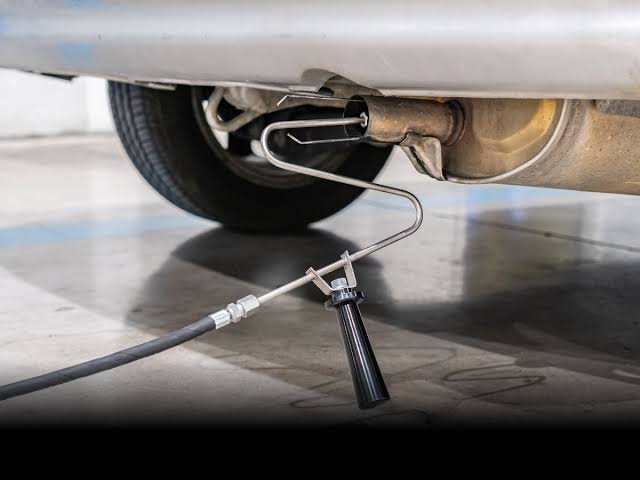

New Delhi: The mandatory Pollution Under Control (PUC) certification system, meant to keep vehicular emissions in check, is increasingly being undermined by widespread irregularities, allowing smoke-belching vehicles to operate freely on Indian roads and worsening the urban air quality crisis.
Despite rules requiring periodic emission testing, ground reports from several cities reveal that many pollution testing centres are issuing certificates without conducting any real checks. In numerous cases, machines remain switched off, exhaust probes are not connected and vehicle owners receive an “all clear” slip within minutes. What should be a scientific process has, in practice, turned into a routine transaction.
Environmental experts say this laxity poses a direct threat to public health. Agencies responsible for monitoring emissions have repeatedly flagged road transport as a major contributor to urban pollution, yet enforcement at the field level remains weak. The result is that heavily polluting vehicles continue to ply unchecked, steadily increasing toxic load in densely populated areas.
Field investigations point to alleged malpractice at multiple centres. Operators are reported to be charging extra for “dummy tests”, reusing old emission data to generate fresh receipts and manipulating sensors to show lower readings. Such practices have effectively reduced the PUC system to a paper exercise while visibly polluting vehicles remain on the road.
Certified Cyber Crime Investigator Course Launched by Centre for Police Technology
Toxic mix in every breath
Vehicular emissions release a harmful combination of gases and microscopic particles. Carbon monoxide reduces oxygen supply in the bloodstream, causing headaches and fatigue. Nitrogen oxides inflame the lungs and aggravate asthma and bronchitis. Sulphur dioxide irritates the eyes and throat and can cause long-term respiratory damage. Hydrocarbons contribute to smog and carry cancer risk. Fine particulate matter—PM2.5 and PM10—penetrates deep into the lungs and bloodstream, significantly increasing the chances of heart attacks, strokes and premature death.
Health specialists describe urban air as a “low-dose toxic environment” where people inhale dangerous particles daily without immediate warning signs.
Hospitals report rising cases
Doctors across major cities are witnessing a steady increase in respiratory illnesses, cardiovascular problems and allergy-related complaints. Prolonged exposure to polluted air hampers lung development in children, worsens chronic conditions among the elderly and raises heart disease risk among working-age adults.
Pregnant women face higher chances of low birth weight babies, premature delivery and neonatal complications. Burning eyes, persistent cough, migraines, skin irritation and constant fatigue have become routine symptoms among urban residents. Medical experts believe that stricter control of vehicular emissions alone could significantly reduce hospital admissions linked to breathing and heart ailments.
Safeguard reduced to formality
Environmental groups say a properly functioning PUC regime would detect faulty engines, clogged filters and incomplete fuel combustion early, forcing repairs and automatically lowering emissions. Instead, weak monitoring has eroded the system’s credibility, allowing non-compliant vehicles to operate without scrutiny.
Tightening the net
Experts are calling for real-time digital monitoring of PUC centres, regular calibration of testing equipment and surprise inspections. Mandatory photo or video recording of each emission test linked to a central database has been suggested to prevent data manipulation.
Stricter penalties—including licence cancellation for errant centres—are being recommended to restore deterrence. Citizens, too, are being urged to ensure that their vehicles are genuinely tested rather than accepting instant certificates.
Unless enforcement improves, the PUC system risks remaining a symbolic document while polluted air continues to exact a heavy toll on public health. Pollution certificates, experts stress, must be treated not as routine paperwork but as a critical clean-air tool—because every unchecked vehicle adds poison to the air people breathe.
