

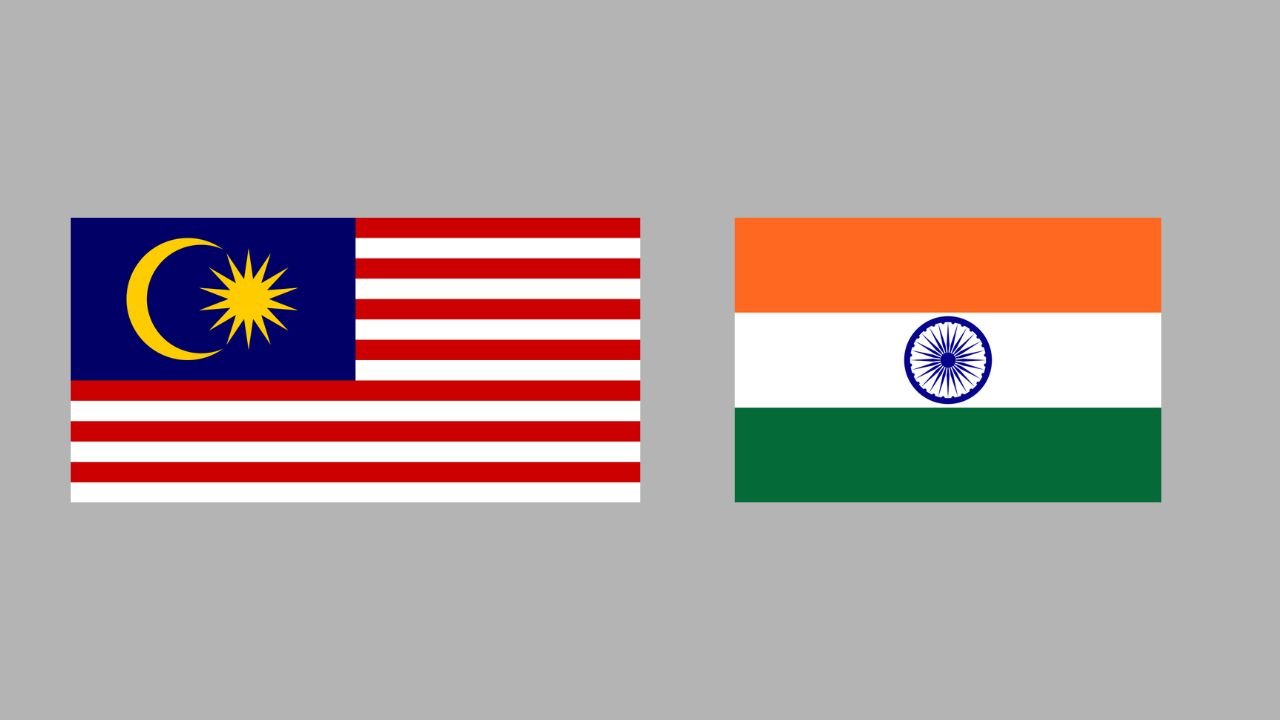

New Delhi: India and Malaysia on Sunday agreed to deepen their strategic and economic engagement by formalising the Malaysia–India Digital Council (MIDC) and accelerating efforts to link India’s National Payments Corporation of India (NPCI) network with Malaysia’s PayNet, a move aimed at enabling seamless, low-cost cross-border payments and remittances.
The announcements were made in a joint statement issued after Prime Minister Narendra Modi’s February 7–8 visit to Malaysia at the invitation of Malaysian Prime Minister Anwar Ibrahim. The two leaders said the new digital framework would help make bilateral commerce more frictionless, benefiting tourists, students, small businesses and diaspora-linked money transfers, at a time when both economies are seeking more resilient and diversified trade partnerships.
Certified Cyber Crime Investigator Course Launched by Centre for Police Technology
According to the statement, the MIDC will serve as a dedicated platform to expand cooperation in fintech, e-governance, cybersecurity, artificial intelligence, Digital Public Infrastructure and other emerging technologies. Both governments also welcomed collaboration between NPCI International Limited and PayNet Malaysia to establish bilateral payment linkages, which could pave the way for faster and cheaper retail payments across borders.
In parallel, New Delhi and Kuala Lumpur encouraged greater use of local currencies for trade settlement, invoicing and payments in Indian rupee and Malaysian ringgit, building on ongoing coordination between the Reserve Bank of India and Bank Negara Malaysia. Connectivity, including enhanced air and maritime links, was identified as a key enabler for boosting trade, investment and people-to-people exchanges.
Beyond digital integration, the joint statement underlined a push to widen economic cooperation into semiconductors and advanced manufacturing. Describing chips as a strategically important sector, both sides agreed to deepen value-chain collaboration, including in technological innovation, workforce development and supply-chain resilience. Institutional linkages involving industry bodies and academic partnerships are also expected to be strengthened to support this effort.
Energy and climate cooperation featured prominently in the discussions. Malaysia’s PETRONAS and Gentari were cited for their growing footprint in India’s renewable energy and green hydrogen sectors, with both governments pointing to scope for expanded solar projects and joint initiatives aligned with net-zero ambitions.
Food security emerged as another priority area. The two countries agreed to deepen cooperation in staple commodities and resilient supply chains while respecting domestic policy frameworks. Malaysia reiterated its commitment to remain a reliable supplier of sustainable palm oil, while both sides signalled interest in collaboration across cultivation practices and higher value-added palm-based products. They also agreed on structured engagement to address market access issues.
Security cooperation continued to form a steady pillar of the partnership. The leaders reaffirmed their commitment to defence exchanges, maritime collaboration and counter-terrorism efforts, including through ASEAN-led mechanisms. Condemning terrorism “in all its forms,” both sides pledged zero tolerance and enhanced cooperation on terror financing, radicalisation and the misuse of emerging technologies. The statement also noted the conduct of the fifth edition of the Harimau Shakti joint military exercise in Rajasthan in December 2025.
On regional and global issues, Modi and Anwar discussed multilateral coordination, reforms of international institutions and support for a rules-based order, including freedom of navigation and overflight in accordance with international law. Malaysia welcomed India’s BRICS chairmanship in 2026, while India acknowledged Malaysia’s role as a BRICS partner country and its aspiration for full membership.
Prime Minister Modi invited Anwar Ibrahim to visit India in the near future, the statement said, signalling momentum for continued high-level engagement as both countries work to translate digital, economic and strategic commitments into tangible outcomes.
About the author — Suvedita Nath is a science student with a growing interest in cybercrime and digital safety. She writes on online activity, cyber threats, and technology-driven risks. Her work focuses on clarity, accuracy, and public awareness.
