
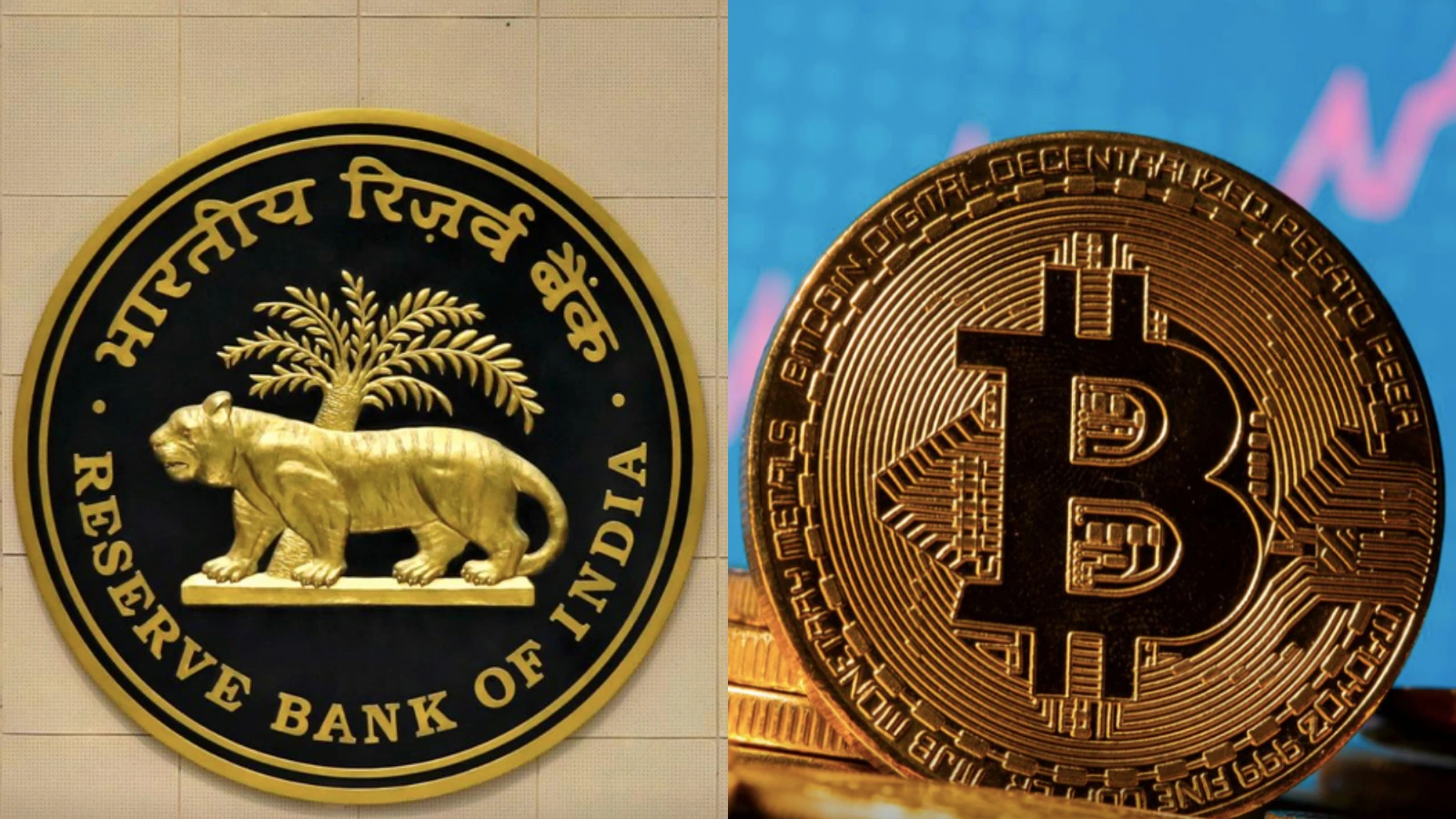
India’s long-awaited cryptocurrency policy framework has been put on hold for now, with the government deferring the release of a crucial discussion paper that was expected to outline the country’s stance on digital assets. The primary reason behind this delay is the continued resistance from the Reserve Bank of India (RBI), which has repeatedly flagged cryptocurrencies as a potential threat to financial stability.
According to government sources, an inter-ministerial group has been working on the policy paper for the past few years. The aim was to evaluate both the opportunities and risks associated with cryptocurrencies and provide a balanced regulatory approach. However, authorities now believe that existing mechanisms are sufficient to oversee the sector for the time being.
RBI Opposition Emerges as Key Roadblock
The Reserve Bank of India has consistently warned against the risks posed by cryptocurrencies, particularly stablecoins. The central bank has raised concerns over their potential impact on monetary policy transmission, capital controls, and overall financial stability.
Due to these concerns, the RBI has opposed any move toward formal regulation that could legitimize private cryptocurrencies. Instead, it has strongly advocated for the adoption of a central bank-backed digital currency (CBDC), positioning it as a safer and more controlled alternative.
FCRF Launches Premier CISO Certification Amid Rising Demand for Cybersecurity Leadership
Government Strategy: Taxation and Monitoring
In the absence of a formal policy, the government has already implemented several measures to regulate the crypto ecosystem indirectly. Virtual digital assets are subject to taxation, enabling authorities to track transactions more effectively.
Additionally, crypto entities have been brought under anti-money laundering norms through the Financial Intelligence Unit (FIU). This allows closer monitoring of suspicious transactions and ensures a certain level of compliance within the sector.
Officials believe that these steps provide adequate oversight, reducing the immediate need for a comprehensive regulatory framework.
Rising Concerns Over Stablecoins
One of the major factors contributing to the delay is the growing concern around stablecoins. These are cryptocurrencies typically pegged to stable assets like the US dollar, making them less volatile than other digital assets.
However, regulators fear that widespread adoption of stablecoins could disrupt the traditional banking system. Experts point out that such instruments could facilitate large-scale, unregulated financial flows, thereby increasing systemic risk.
Focus Shifts to Digital Rupee
With the crypto policy on hold, both the government and the Reserve Bank of India are increasingly focusing on the development and adoption of the digital rupee. The CBDC is seen as a secure and transparent alternative that can support the growth of a digital economy while maintaining regulatory control.
The digital rupee initiative is expected to modernize payment systems, reduce dependence on physical cash, and enhance transaction traceability.
Uncertainty in the Crypto Industry
The delay in policy formulation has created uncertainty within the crypto industry. Investors, startups, and other stakeholders were expecting regulatory clarity to make long-term decisions and investments.
However, some experts believe that the government’s cautious approach is justified, as premature regulation without a clear understanding of the technology and risks could lead to unintended consequences.
What Lies Ahead
For now, it appears unlikely that India will introduce a comprehensive cryptocurrency policy in the near future. The government is expected to continue relying on taxation and monitoring mechanisms to manage the sector.
Going forward, India’s stance may evolve depending on global regulatory trends and technological developments. Until then, investors are advised to remain cautious and stay informed, as uncertainty continues to define the country’s crypto landscape.
About the author – Rehan Khan is a law student and legal journalist with a keen interest in cybercrime, digital fraud, and emerging technology laws. He writes on the intersection of law, cybersecurity, and online safety, focusing on developments that impact individuals and institutions in India.
