
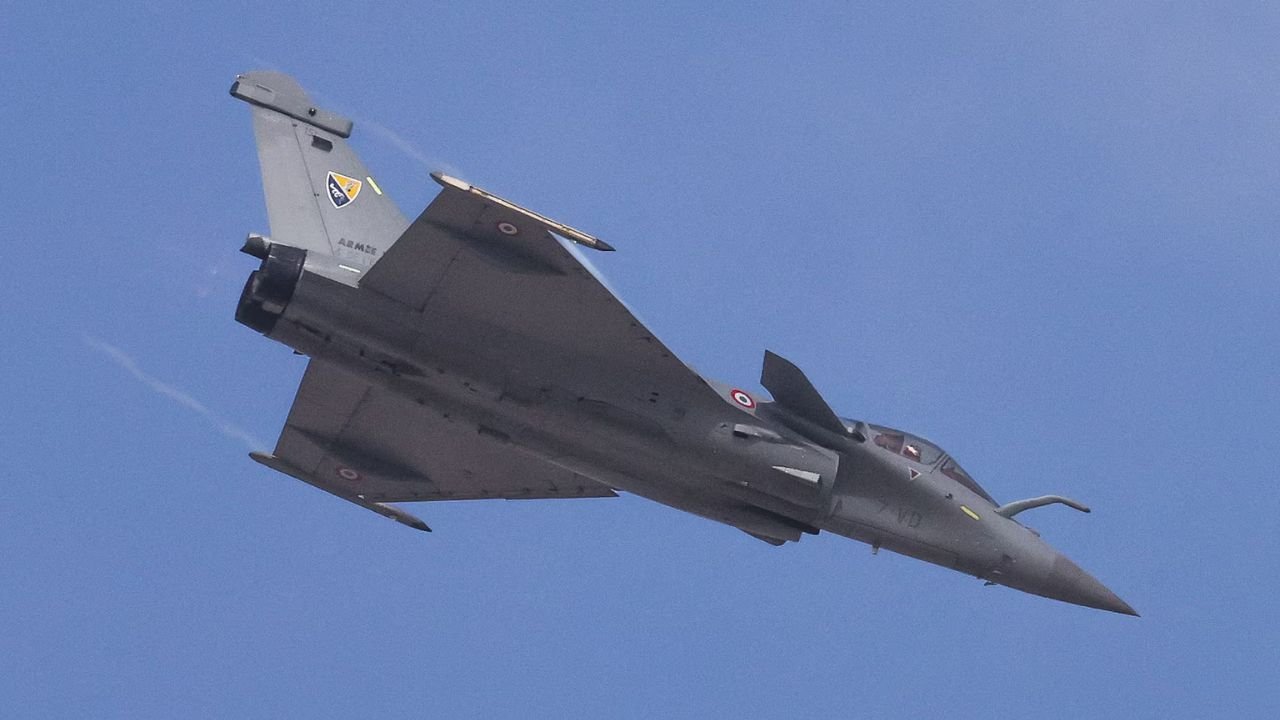

India has taken a major step toward strengthening its air power, clearing a proposal worth approximately ₹3.25 lakh crore to procure 114 Rafale fighter aircraft. The decision ranks among the largest military acquisitions in recent years and is expected to significantly expand the combat capabilities of the Indian Air Force (IAF).
The proposal was approved by the Defence Acquisition Council (DAC), chaired by Defence Minister Rajnath Singh. The council granted the programme “Acceptance of Necessity” (AoN), a crucial procedural stage in India’s defence procurement framework. With this clearance, formal commercial negotiations with French aerospace major Dassault Aviation, the manufacturer of the Rafale jets, are set to move forward.
Certified Cyber Crime Investigator Course Launched by Centre for Police Technology
The timing of the approval is noteworthy. It comes just ahead of French President Emmanuel Macron’s proposed visit to India, and is widely seen as a signal of deepening strategic and defence cooperation between New Delhi and Paris.
Focus on IAF’s Squadron Shortfall
The Indian Air Force has long grappled with a significant shortage in fighter squadrons. Currently operating around 29 active squadrons against a sanctioned strength of 42, the gap has been a matter of concern for defence planners, especially amid evolving security challenges along India’s western and northern borders.
The potential induction of 114 additional Rafale aircraft is expected to substantially reduce this shortfall. The expansion would enhance the IAF’s air superiority, deep-strike capability, and multi-role operational flexibility.
The Rafale is a twin-engine, multirole fighter aircraft already inducted into the IAF fleet. Its advanced avionics, cutting-edge radar systems, and compatibility with precision-guided munitions have made it a key platform in India’s aerial combat strategy. Operational experience with existing Rafale squadrons has further strengthened the case for expanding the fleet.
Strategic and Industrial Dimensions
The approval is not being viewed merely as a fleet expansion, but as a broader strategic signal. France has emerged as one of India’s most dependable long-term defence partners in recent years. In the context of shifting global geopolitical alignments, the proposed deal is expected to reinforce bilateral defence cooperation.
According to officials, the programme could accelerate collaboration in critical areas such as aircraft engine technology, avionics systems, weapons integration, and potential joint development initiatives. A deal of this magnitude may also open doors for technology transfer and increased domestic manufacturing participation under India’s self-reliance initiatives.
The proposal had earlier been cleared by the Defence Procurement Board before being placed before the DAC for final approval. With AoN now granted, detailed negotiations will focus on cost structures, delivery timelines, and the extent of localisation commitments.
A Key Step in IAF Modernisation
The decision comes at a time when the Indian Air Force is undertaking a broader modernisation drive. Ageing aircraft are being phased out and replaced with next-generation platforms, advanced radar systems, and network-centric warfare capabilities.
Defence analysts believe that acquiring 114 Rafale jets will not only enhance frontline combat readiness but also strengthen India’s deterrence posture in a volatile regional environment. The aircraft’s integration with advanced missile systems and precision weapons adds to its operational versatility.
The ₹3.25 lakh crore investment represents a substantial financial commitment. However, from a strategic standpoint, it aligns with long-term national security priorities and air power modernisation goals.
As negotiations move forward, attention will turn to the pace of commercial discussions and the scale of domestic industry involvement. For now, the DAC’s clearance marks a decisive milestone in India’s defence procurement journey—one that could reshape the balance of air power in the region in the years to come.
