
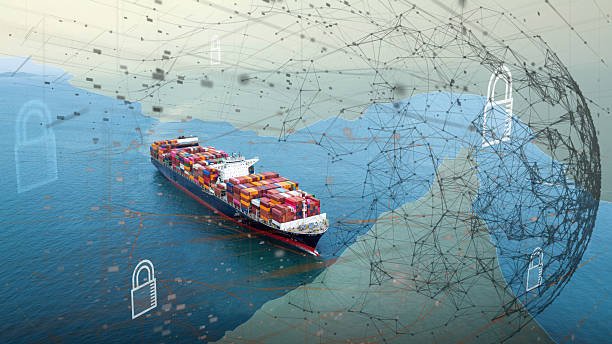
In a dramatic shift in global maritime trade, ships passing through the strategically vital Strait of Hormuz are reportedly being forced to pay Iran in Chinese yuan and even cryptocurrency to secure safe passage, turning one of the world’s busiest oil routes into what analysts are calling a “geopolitical tollbooth.”
The development comes amid the ongoing 2026 Iran conflict, where Tehran has tightened its grip over the strait—through which a significant portion of the world’s oil supply typically flows—giving it unprecedented leverage over global shipping.
Payments in yuan and crypto for safe transit
According to reports, vessels seeking to cross the Strait of Hormuz must now coordinate with Iran-linked intermediaries and, in some cases, pay fees in yuan or digital currencies before being allowed to pass.
Some tankers are believed to be paying substantial sums, with estimates suggesting charges tied to cargo volume or fixed transit fees, effectively monetising access to one of the world’s most critical shipping chokepoints.
The use of non-dollar payment methods is particularly significant, reflecting both sanctions pressure on Iran and a broader shift away from traditional financial systems.
FCRF Launches Premier CISO Certification Amid Rising Demand for Cybersecurity Leadership
Only “friendly” ships allowed
Iran has reportedly restricted passage to vessels from countries it considers friendly, while others face delays, denial, or heightened risks. Ships that comply with the informal system are sometimes escorted through designated safe corridors, often under the supervision of Iran’s Revolutionary Guard-linked networks.
This selective access has effectively transformed the strait from an open international waterway into a controlled transit zone, governed by geopolitical alignment.
Shipping collapse and global impact
The tightening control has led to a massive drop in shipping traffic, with daily vessel movement falling drastically compared to normal levels.
Given that the strait typically handles a large share of global oil and gas trade, the disruption has triggered:
- Rising energy prices
- Supply chain instability
- Increased insurance and operational risks for shipping companies
Experts warn that prolonged restrictions could lead to inflationary pressures and economic instability worldwide.
A new form of economic warfare
Analysts describe Iran’s approach as a form of economic and strategic leverage, using geography to bypass sanctions and generate revenue. By charging tolls and controlling access, Tehran has effectively turned the strait into a revenue-generating gateway, with some estimates suggesting billions of dollars in potential income if the system continues.
The move also signals a deeper geopolitical shift, where alternative currencies like the yuan and crypto are increasingly being used in high-value international transactions.
Legal and geopolitical concerns
Under international law, straits used for global navigation are generally meant to remain open. However, the current situation has blurred those norms, with enforcement complicated by ongoing conflict.
Global powers are now faced with a difficult question: whether to challenge Iran’s control militarily or adapt to a new, fragmented system of maritime access and payments.
A turning point for global trade
The situation in the Strait of Hormuz underscores a larger transformation in global trade dynamics. What was once a free-flowing artery of energy supply is now a strategically controlled corridor where access comes at a price.
As tensions continue, the world may be witnessing the emergence of a new model—where geopolitics, currency shifts, and digital payments intersect to reshape international commerce.
About the author – Rehan Khan is a law student and legal journalist with a keen interest in cybercrime, digital fraud, and emerging technology laws. He writes on the intersection of law, cybersecurity, and online safety, focusing on developments that impact individuals and institutions in India.
