
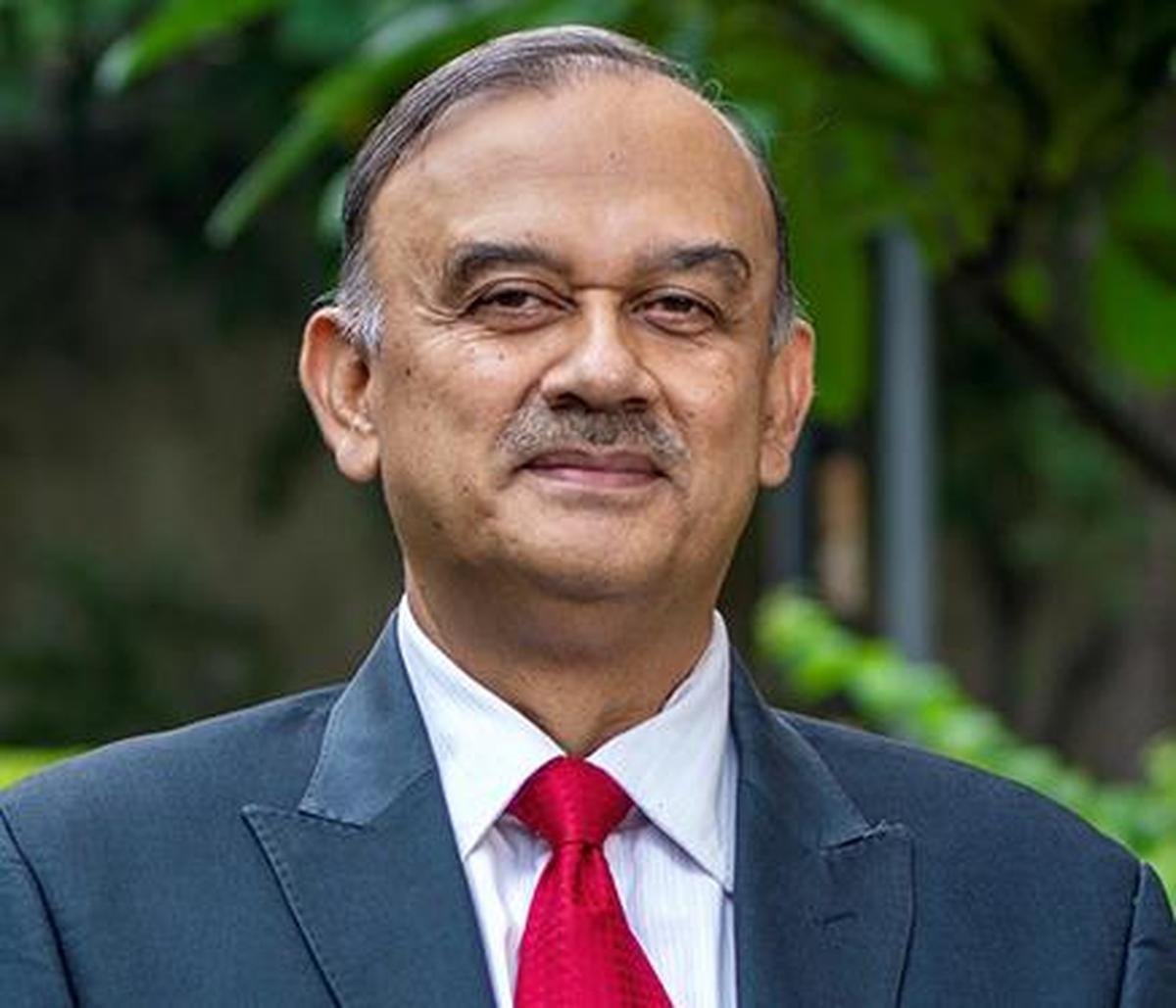
Atanu Chakraborty, part-time chairman and independent director of HDFC Bank, has resigned with immediate effect. In his resignation letter, he stated, “Certain events and practices within the bank, which I have observed over the past two years, do not align with my personal values and ethics. This forms the basis of my decision.”
The Reserve Bank of India (RBI) has approved the appointment of Keki Mistry as interim part-time chairman of HDFC Bank. Mistry, former vice-chairman of HDFC Ltd, held the role prior to its merger with HDFC Bank. His appointment will be effective from March 19 for a period of three months.
In a letter to the chairman of the Governance, Nomination, and Remuneration Committee, Chakraborty clarified, “There are no other reasons behind my resignation apart from what I have stated above.” He did not elaborate on the specific issues that led to his resignation. Sources indicate that there had been some dissatisfaction within the board regarding the bank’s functioning for some time.
FutureCrime Summit 2026 Calls for Speakers From Government, Industry and Academia
Chakraborty joined HDFC Bank’s board in 2021 and played a key role in the merger with HDFC Ltd, a landmark move in the Indian banking sector.
In his letter, he wrote, “This strategic initiative made HDFC Bank the second-largest bank in the country. However, the full benefits of the merger are yet to materialise.”
He expressed his appreciation for the support of the board and senior management and thanked all independent and non-executive directors for their valuable time and responsibilities. HDFC Bank, in its exchange filing, confirmed that there were no other reasons behind Chakraborty’s resignation.
The bank’s board acknowledged his contribution and wished him success in his future endeavours. Chakraborty, a retired IAS officer from the Gujarat cadre, served as Secretary in the Ministry of Finance (Department of Economic Affairs), coordinating the budget-making process and economic policy formulation.
Between 2002 and 2007, he served as Director and later as Joint Secretary in the Ministry of Finance, where he evaluated infrastructure projects and oversaw government subsidy programs. He also modernised government financial and procurement rules.
During his tenure in the Gujarat government, Chakraborty led the Finance Department and played a pivotal role in implementing private sector investment legislation. He worked extensively on public governance and developmental projects at the ground level.
HDFC Bank, with a market capitalisation of ₹12.97 lakh crore, is India’s second-largest bank. This high-profile resignation has triggered fresh debate within the banking sector on ethics, governance, and transparency.
Experts note that the resignation is not merely about personal ethical concerns; it also highlights accountability and sensitivity in internal management practices of large corporate boards.
For the banking sector and investors, this development signals that adherence to ethical values and governance codes must be ensured even at the highest levels. It also underscores the critical need for transparency and accountability within boards and senior management of major financial institutions.
About the author – Rehan Khan is a law student and legal journalist with a keen interest in cybercrime, digital fraud, and emerging technology laws. He writes on the intersection of law, cybersecurity, and online safety, focusing on developments that impact individuals and institutions in India.
