
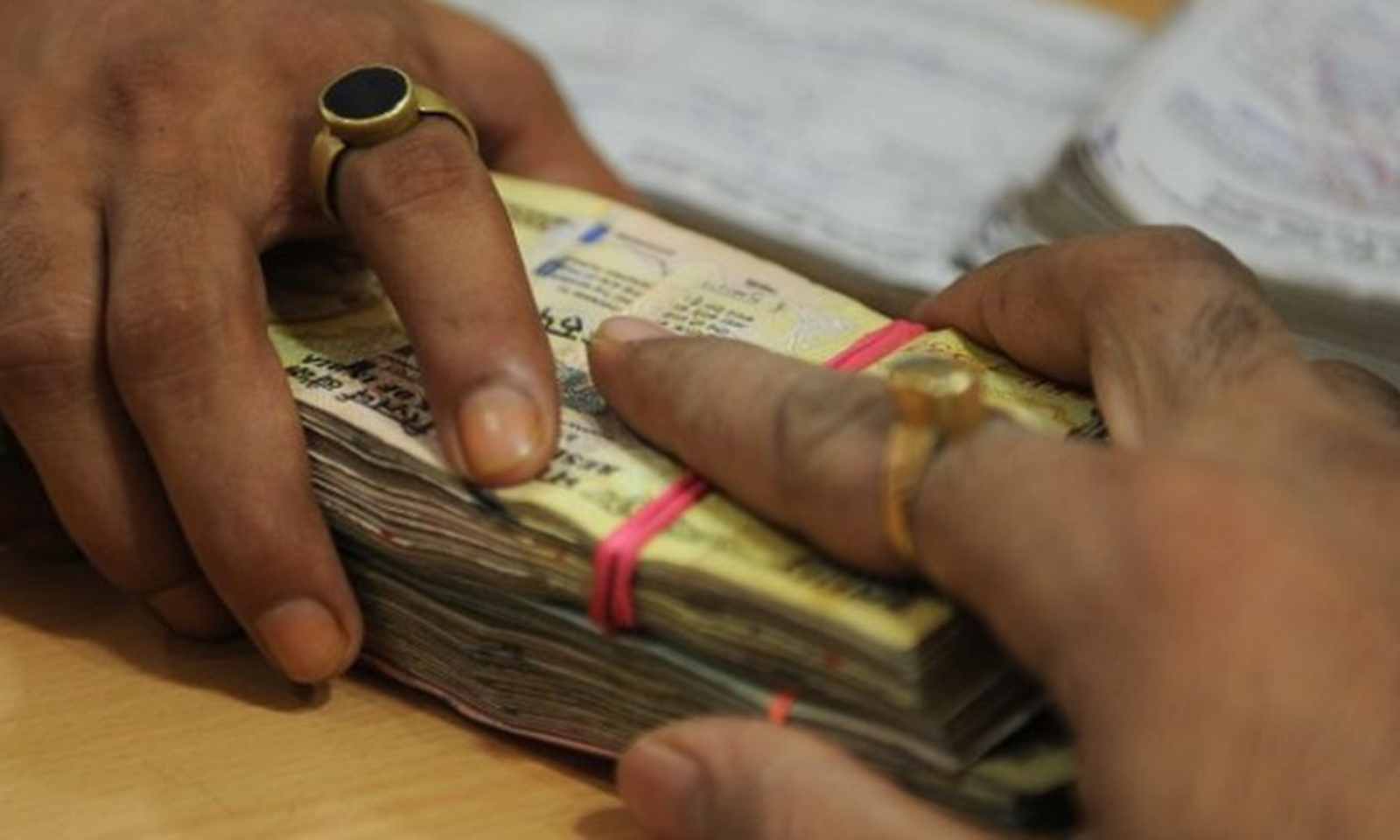

GURUGRAM — What began as a routine complaint of bribery at the Central Goods and Service Tax (GST) office in Jhajjar has evolved into one of Haryana’s most closely watched corruption cases of the year. On Saturday morning, officers from the State Vigilance and Anti-Corruption Bureau (SV&ACB) arrested Bharat Meena, a 39-year-old GST superintendent, after he was allegedly caught accepting a ₹2.5 lakh bribe in Gurugram’s Basai area.
Officials said the arrest came after a weeklong surveillance operation that was set in motion on November 30, when investigators began monitoring Meena’s movements to verify a tip-off. When the complainant arrived with the demanded money, bureau officials positioned nearby moved in, reportedly finding Meena holding the cash. The money was immediately seized and sealed as evidence.
A Bribe for a GST Number, and a System Under Strain
According to senior officials involved in the investigation, the bribe was allegedly demanded in exchange for activating the GST registration of a private firm — a process meant to be largely automated under India’s tax reform system. The allegation underscores longstanding concerns that despite years of technological reforms, discretionary power remains embedded at various administrative levels.
“After verifying the complaint, the Bureau initiated surveillance from November 30,” a senior investigator said, noting that the operation was designed to ensure that the complaint was not fabricated — a precaution in many corruption cases involving revenue officials. When the trap was executed, the bureau acted quickly, sealing the money and taking Meena into custody.
The case has prompted speculation that more officials may be involved, a possibility the SV&ACB says it is examining closely.
Growing Pressure on Anti-Corruption Agencies
The arrest comes at a time when state and national anti-corruption agencies are under pressure to demonstrate tangible enforcement results. Haryana’s SV&ACB, which has been increasingly active in recent months, framed Saturday’s arrest as part of a broader effort to address corruption in high-discretion sectors of government, particularly taxation and land administration.
Ajay Singhal, Chief of the SV&ACB, said the bureau had “zero tolerance” for public officials engaging in bribery. “The recovered bribe money has been sealed and secured for judicial proceedings,” he said. “No officer or employee involved in bribery will be spared in any circumstances.”
Meena has been booked under the Prevention of Corruption Act, and officials said investigators are examining financial records, communication logs and inter-office linkages to determine whether additional officers systematically facilitated illegal payments.
A Case With Wider Implications for Tax Governance
For policy analysts and former tax officials, the case illustrates how the complexity of GST administration — despite reforms intended to simplify it — has opened gaps that corrupt officials can exploit. GST compliance remains heavily dependent on digital workflows, but field-level officers still retain powers over inspections, verifications and registration-related approvals, which can incentivize rent-seeking behavior.
Preliminary findings indicate that Meena’s alleged solicitation of bribes may not be an isolated incident. Officials say they are exploring whether similar demands were made of other businesses, and whether internal checks failed to detect misconduct earlier.
As the investigation unfolds, the case is likely to test the effectiveness of anti-corruption safeguards embedded in India’s tax bureaucracy, raising broader questions about systemic vulnerabilities that continue to undermine public trust.
