

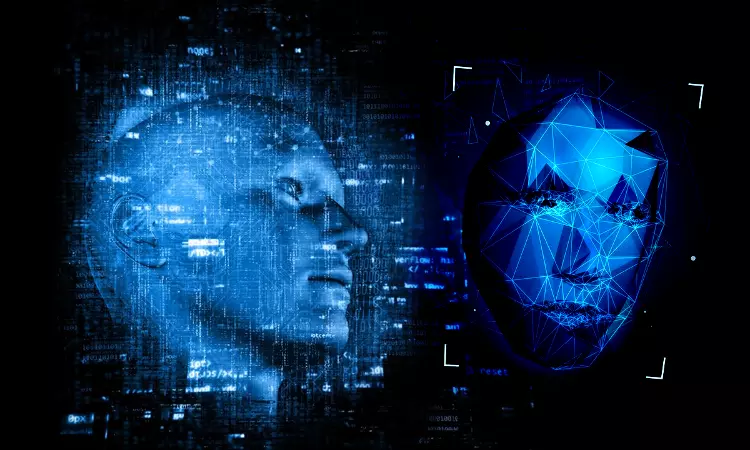
Taking serious note of allegations that artificial intelligence-generated deepfake and synthetic content is being used to target constitutional authorities, the Gujarat High Court has sought detailed responses from the Centre and the Gujarat government. The court has also directed the state Director General of Police (DGP) to clarify the existing enforcement framework and preventive steps in place.
Hearing a Public Interest Litigation (PIL) on Tuesday, a division bench comprising Chief Justice Sunita Agarwal and Justice D.N. Ray observed that the growing misuse of AI technology cannot be ignored. The bench indicated that after examining the responses of the governments, it may consider issuing notices to major social media intermediaries, including Meta, Google, X, Reddit and Scribd.
FCRF Launches Flagship Certified Fraud Investigator (CFI) Program
Key Concerns Raised in the Petition
The PIL was filed by advocate Vikas Vijay Nair, who has urged the court to frame clear legal and regulatory guidelines to curb the circulation of manipulated videos, images and audio clips generated using AI tools. The petitioner argued that the rapid evolution of deepfake technology poses a serious threat not only to individuals but also to institutional integrity and public trust.
Among the primary demands is the formulation of binding norms to regulate the publication, broadcast and sharing of AI-generated content involving constitutional functionaries. The petition also calls for mandatory “AI-generated” watermarking of such content and the establishment of an effective real-time mechanism to identify and remove objectionable material.
Call for Standard Operating Procedures
The petition further seeks the preparation of a Standard Operating Procedure (SOP) for all police stations and specialised crime units in the state to deal specifically with AI-generated and synthetic content. It also urges stricter compliance by social media intermediaries with statutory obligations relating to content labelling, traceability and due diligence under existing information technology laws.
During the hearing, the bench asked the DGP to place on record details of action taken so far in deepfake-related cases and the preventive measures proposed to address emerging threats.
Deepfake Technology: A Growing Challenge
The petitioner contended that deepfake tools have become so sophisticated that they can convincingly replicate a person’s voice, facial expressions and gestures. For ordinary citizens, distinguishing between authentic and fabricated content has become increasingly difficult. Such manipulation, the plea states, can cause reputational damage, public confusion and erosion of confidence in democratic institutions.
Appearing for the state government, Advocate General Kamal Trivedi acknowledged the gravity of the issue and said the matter warrants wider deliberation. He informed the court that misuse of deepfake and synthetic content through online platforms is a matter of serious concern and can result in irreversible harm. He also noted that several countries have introduced stringent legal measures to regulate AI misuse.
Next Hearing on March 20
The division bench has scheduled the next hearing for March 20. Legal observers believe that once responses from the Centre and the state are filed, the court may consider issuing comprehensive directions or guidelines addressing AI-generated misinformation and deepfake content.
As artificial intelligence becomes increasingly embedded in digital ecosystems, the demand for accountability and regulatory clarity is intensifying. The proceedings before the Gujarat High Court signal that the issue of deepfakes has moved beyond a technological debate and now squarely engages constitutional safeguards and institutional security.
About the author – Ayesha Aayat is a law student and contributor covering cybercrime, online frauds, and digital safety concerns. Her writing aims to raise awareness about evolving cyber threats and legal responses.
