

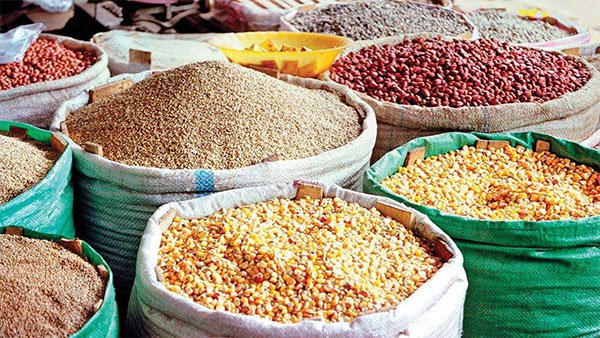
The government has launched a pilot project in Gujarat introducing digital currency-based distribution under the public distribution system, marking a significant step toward technology-driven welfare delivery. Under the Central Bank Digital Currency (CBDC) framework, eligible beneficiaries will receive e-RUPI coupons directly in their digital wallets for purchasing subsidised food grains.
Officials said the primary objective of the initiative is to reduce leakage and misuse of subsidy funds. Earlier, beneficiaries received assistance through cash transfers or conventional digital payment methods. Under the new mechanism, the amount will be restricted for use only for the designated purpose. The digital currency credited to beneficiaries can be used exclusively to purchase food grains from authorised fair price shops.
FCRF Launches Flagship Certified Fraud Investigator (CFI) Program
Global Trends in Digital Welfare
The initiative is being viewed as aligned with emerging global trends in digital welfare distribution. Experts believe India’s move could strengthen the digital public distribution model. While several countries have already adopted electronic benefit transfer systems, integration with a central bank digital currency makes the Indian experiment distinctive.
The United States operates the Supplemental Nutrition Assistance Program, and Brazil’s Bolsa Família scheme has long relied on electronic card-based welfare transfers. Similarly, the United Kingdom’s Healthy Start programme provides nutritional support through prepaid cards. The Indian government claims that the CBDC-based model will offer better security and control over welfare distribution.
Curbing Corruption Through Digital Controls
Experts argue that digital food currency could help curb corruption and financial leakage in subsidy programmes. Complaints of misutilisation of welfare funds and intermediary involvement have occasionally been reported in the past. The new system is expected to enable direct monitoring of subsidy utilisation by the government.
India has already introduced digital reforms in the public distribution system through initiatives such as e-POS machines and the ‘One Nation, One Ration Card’ programme. Authorities believe that the e-currency mechanism will further strengthen these measures by speeding up subsidy delivery while enhancing transaction security.
Curbing Corruption Through Digital Controls
However, the scheme also faces certain practical challenges. In rural and remote areas, limited smartphone penetration and weak internet connectivity may affect implementation. Digital literacy levels among beneficiaries could also influence the success of the programme, and assistance may be required for users unfamiliar with digital wallet operations.
Officials stated that the expansion of the scheme to other states will depend on the performance of the pilot project. The government aims to make the public distribution system more technologically efficient while ensuring timely and secure delivery of welfare benefits.
About the author – Ayesha Aayat is a law student and contributor covering cybercrime, online frauds, and digital safety concerns. Her writing aims to raise awareness about evolving cyber threats and legal responses.
