

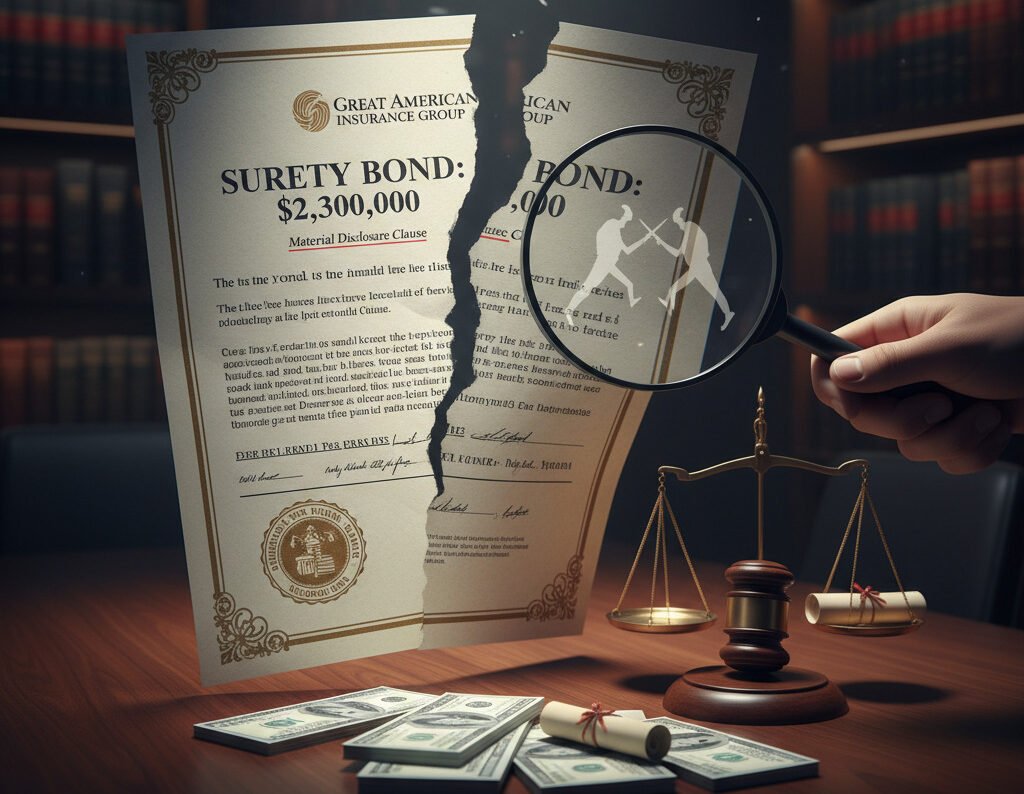

Great American is seeking to void a $2.3 million bond tied to a Missouri bank’s fraud claim, raising larger questions about disclosure, liability, and the future of bond insurance.
A Bond Under Scrutiny
Great American Insurance Group has moved to rescind a surety bond worth $2.3 million after alleging that a Missouri bank concealed critical information linked to insider fraud. The insurer argues the bank’s omissions and misrepresentations invalidated the agreement, while the bank insists coverage should stand. The dispute highlights the fragile trust between banks and insurers when fraud comes to light.
FCRF Launches CCLP Program to Train India’s Next Generation of Cyber Law Practitioners
What the Insurer Alleges
Court filings show Great American claims the bank failed to disclose weaknesses in internal controls and misstated financial conditions — details it says would have altered underwriting decisions. The bank counters that the insurer is using hindsight to escape its obligations and notes that premiums were paid and accepted without objection.
If rescission is granted, the insurer would sidestep a significant payout and set a precedent that could embolden other carriers to challenge bonds after fraud losses.
The Strategy and Its Risks
Great America’s approach reflects a shift toward tougher scrutiny in bond markets. By contesting the bond outright, the insurer avoids immediate exposure but must prove material misrepresentation in court — a high bar. The tactic also risks reputational fallout, deterring future banking clients and drawing regulatory attention.
A Wider Signal to Banks
The case underscores broader pressures facing banks and insurers alike. With fraud risks rising and underwriting practices hardening, even minor disclosure gaps could become leverage in future disputes. For banks, the message is clear: controls and transparency with bonding partners matter more than ever.
How courts weigh these arguments will determine whether this remains a local skirmish or a marker of shifting norms in financial risk and insurance law.
