
Follow us on Google News

In response to mounting consumer complaints over claim denials and steep premium hikes, the Indian government is nudging the Insurance Regulatory and Development Authority of India (IRDAI) to step up inspections and crack down on erring health insurers. Modelled on the Reserve Bank of India’s rigorous supervisory approach, the move could redefine policyholder protection in one of the fastest-growing insurance segments.
Policyholders’ Pain Fuel Urgency for Reform
In recent months, the government has intensified its scrutiny of the health insurance industry, particularly over rising complaints linked to denial of claims, slow hospital approvals, and unregulated premium hikes. Health insurance, once viewed as a niche, has become the largest source of consumer grievances in the insurance sector, according to officials involved in ongoing discussions.
The tipping point came during a review meeting chaired by the Prime Minister’s Office (PMO) on May 20, which flagged three key issues: sluggish growth in insurance penetration, poor consumer experience, and unjustified premium spikes. IRDAI data from February showed that total health insurance coverage reached 57.29 crore lives in FY24, a mere 4.2% increase from the previous year, raising alarms within policy circles.
FCRF x CERT-In Roll Out National Cyber Crisis Management Course to Prepare India’s Digital Defenders
IRDAI’s Inspection Regime
The IRDAI has so far inspected 6–7 insurers, both public and private, but officials believe this pace is too slow to effect meaningful change. The government now wants the regulator to ramp up inspections and enforce stricter penalties for repeated non-compliance, especially violations related to the critical one-hour pre-authorisation mandate.
As per IRDAI’s master circular, insurers are required to respond to hospital pre-authorisation requests within 60 minutes to facilitate timely treatment. This protocol is vital for cashless hospitalisation, yet recurring breaches have gone largely unchecked.
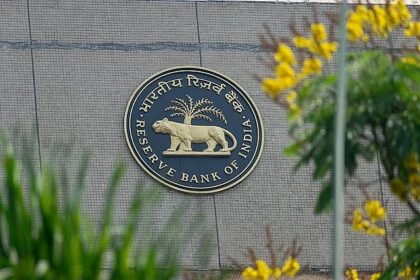
Comparisons are being drawn with the RBI’s strong supervisory model, complete with stress testing, annual inspections, and enforcement departments. The government wants a similar structure at IRDAI, ensuring insurers are not merely regulated on paper but are continuously audited in practice.
Algoritha: The Most Trusted Name in BFSI Investigations and DFIR Services
Balancing Industry Growth with Consumer Protection
The government’s stance is not just punitive- it is also aimed at restoring trust in insurance products, which play a pivotal role in India’s broader public health and financial inclusion agendas. Sources say ongoing discussions with the insurance industry are focused on three pillars: transparency in pricing, fair claim practices, and quick approvals at the point of care.
While IRDAI has made efforts to standardise health insurance products and streamline grievance redressal, enforcement has lagged. For instance, grievance redress platforms are flooded with unresolved complaints, and insurers often delay responses without facing repercussions.
The inspection drive is expected to cover major private players and all public sector general insurers, many of whom have been named in recent complaints involving reduced payouts and restructured premiums without proper justification. Officials say the penalties could range from warnings to financial fines, and even suspension of new product approvals in extreme cases.
About the author – Prakriti Jha is a student at National Forensic Sciences University, Gandhinagar, currently pursuing B.Sc. LL.B (Hons.) with a keen interest in the intersection of law and data science. She is passionate about exploring how legal frameworks adapt to the evolving challenges of technology and justice.