
Follow us on Google News

The Union government has called on social media companies to take stronger action against online fraud, threats to children and women, and harmful content, arguing that platforms can no longer remain passive when users suffer serious damage through their services.
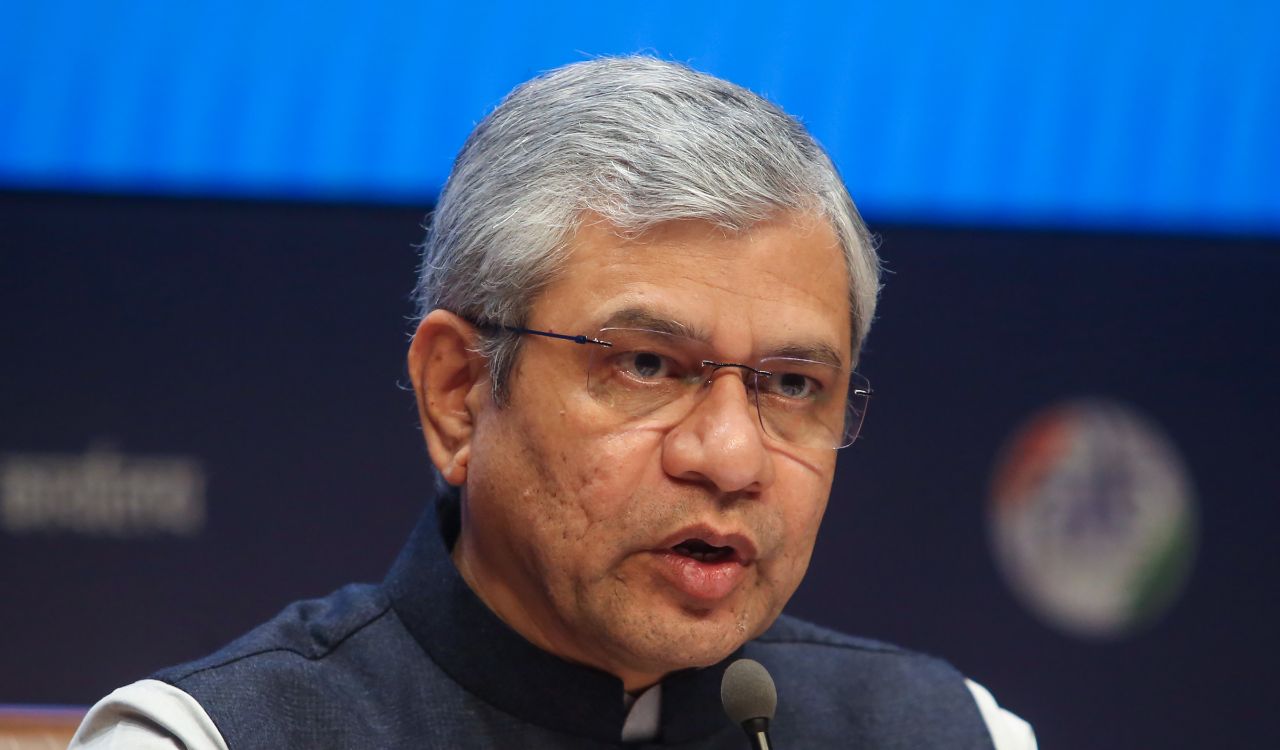
Union Electronics and Information Technology Minister Ashwini Vaishnaw said on November 6, 2026, that internet companies must proactively address emerging digital threats, including digital arrest scams, while improving transparency over the algorithms that determine what users see online.
The minister also called for more effective mechanisms through which citizens can raise complaints and seek action directly from social media platforms.
His remarks signal growing government pressure on technology companies to assume greater responsibility for online safety.
However, the announcement does not introduce new binding regulations or specify penalties for platforms that fail to meet the expectations outlined by the minister.
FCRF’s Chief AI Officer Certification Returns on November 14 to Prepare Future AI Leaders
Platforms Asked To Prevent Online Harm Before Complaints
Vaishnaw said the internet and social media environment had changed significantly, making traditional approaches to online safety increasingly inadequate.
In his view, technology companies should not wait for serious incidents to occur before taking action against harmful activities.
The minister specifically identified child safety, women’s safety and digital arrest scams as areas requiring proactive intervention.
Digital arrest scams involve criminals impersonating police officers, investigators or other government authorities to threaten victims with fabricated criminal proceedings.
Fraudsters may contact victims through messaging platforms, voice calls or video calls, sometimes presenting forged documents or staged official-looking settings.
They then demand payments or pressure victims into transferring funds under the false claim that the money is needed to avoid arrest or clear an investigation.
Indian law does not provide for a legitimate process in which police digitally arrest someone over a video call and demand money for their release.
Such scams illustrate how criminals can exploit familiar communication services to appear credible and contact potential victims.
Vaishnaw’s comments place greater emphasis on the responsibility of platforms to identify and limit harmful activity before users suffer financial or personal damage.
However, he did not announce a specific new technical system that companies must deploy to detect digital arrest scams.
The practical obligations of individual platforms will continue to depend on existing laws, government directions and any future regulatory changes.
Government Calls For Greater Algorithmic Transparency
Another significant part of the minister’s statement concerned the systems that social media companies use to recommend and distribute content.
These systems, commonly called recommendation algorithms, determine which posts, videos and advertisements users are likely to encounter.
Platforms use information about user interactions and preferences to rank material and recommend additional content.
Such systems can help people discover relevant information, but they can also rapidly amplify misleading or harmful material.
In the context of cyber fraud, recommendation systems may expose users to fraudulent investment promotions, impersonation accounts or deceptive advertisements.
Greater algorithmic transparency could help regulators and users understand how platforms make decisions about the visibility and distribution of content.
However, transparency can take different forms, ranging from explanations of recommendation principles to independent audits of high-risk systems.
Vaishnaw did not specify whether the government intends to mandate disclosure of source code, introduce independent algorithm audits or require detailed publication of ranking criteria.
His remarks should therefore be understood as a policy expectation rather than the announcement of a completed algorithmic transparency framework.
The distinction matters because social media recommendation systems involve commercially sensitive technology, personal information and complex decisions about content moderation.
Any future requirements would need to specify what information companies must disclose and how compliance would be assessed.
Users Need Stronger Ways To Challenge Harmful Content
Vaishnaw also raised concerns about how citizens seek remedies when online content causes serious harm.
He argued that people should have an effective way to raise grievances directly with platforms rather than having to depend primarily on police complaints or court proceedings.
India already has a formal grievance framework for online intermediaries.
Under the Information Technology (Intermediary Guidelines and Digital Media Ethics Code) Rules, 2021, covered platforms must establish mechanisms for receiving and addressing user complaints.
The government also operates a Grievance Appellate Committee system through which eligible users can appeal decisions made by intermediary grievance officers.
These mechanisms are distinct from police investigations into criminal offences.
For example, someone whose account has been impersonated may seek action from the relevant platform, while a victim who has lost money through cyber fraud should also report the crime to the authorities.
The minister’s comments indicate that the government wants these systems to become more responsive and meaningful for affected users.
However, no new complaint-resolution deadline or appeals structure was announced in the November 6 statement.
The effectiveness of existing grievance systems will remain an important issue as platforms face growing demands for quicker action against abusive accounts, impersonation and harmful content.
No Decision Announced On Social Media Legal Immunity
The minister’s remarks also raise questions about the legal protection available to online intermediaries.
Section 79 of the Information Technology Act provides conditional protection from liability for certain third-party information hosted by intermediaries, subject to applicable legal requirements.
This protection is commonly known as safe harbour.
It recognises that platforms generally do not create every message, photograph or video uploaded by their users.
However, the protection is not unconditional, and companies must comply with relevant due-diligence obligations and lawful directions.
Vaishnaw did not clarify whether the government intends to amend or withdraw these protections as part of its broader push for accountability.
Consequently, the November 6 statement should not be interpreted as an immediate change to the legal immunity available to social media companies.
The policy discussion comes amid wider concerns about children’s exposure to online exploitation and the circulation of harmful content.
Recent Supreme Court scrutiny of online child protection has also placed greater attention on the responsibilities of digital platforms and public authorities.
The government’s latest position indicates that platform responsibility will remain a significant area of debate, particularly as artificial intelligence makes it easier to create convincing impersonations and distribute misleading material.
For now, the confirmed development is the minister’s demand for stronger preventative measures, algorithmic transparency and more effective grievance handling.
What This Means For You:
Report impersonation, harassment and harmful content through the platform’s official complaint system, and use the Grievance Appellate Committee where eligible. For financial cyber fraud, immediately contact 1930 or report the incident at cybercrime.gov.in.