

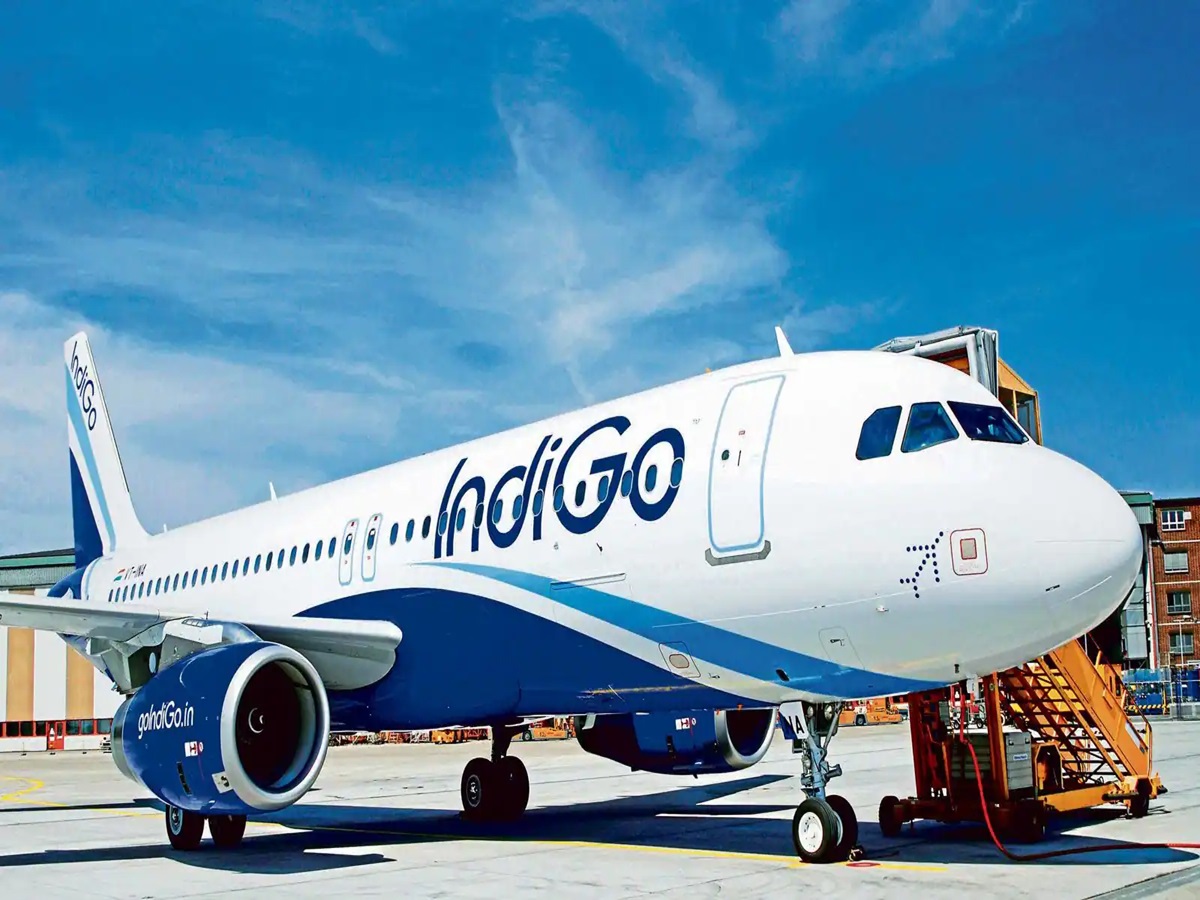

New Delhi – In response to the massive operational disruption at IndiGo, India’s largest airline, the central government has stepped in to protect air passengers from soaring fares. The Ministry of Civil Aviation (MoCA) on Friday announced temporary caps on airfares across major routes after reports surfaced of sharp ticket price hikes and widespread flight cancellations.
The ministry said the move was aimed at maintaining a “fair and reasonable fare structure” and would remain in force until IndiGo’s operations return to normal. The intervention comes amid mounting public pressure as thousands of travellers were left stranded at airports across the country.
Over 1,500 Flights Cancelled, Chaos at Airports
IndiGo has cancelled more than 1,500 flights in just four days, triggering chaos at major airports in Delhi, Mumbai, Hyderabad, Bengaluru, Pune, and Nagpur. Long queues, extended delays, and last-minute cancellations have left passengers frustrated and confused.
According to the Directorate General of Civil Aviation (DGCA), the crisis stems from “a misjudgment and planning gap” in implementing the new Flight Duty Time Limitation (FDTL) norms, which regulate pilot working hours to prevent fatigue. The rules, introduced in 2024, were inconsistently implemented at IndiGo, leading to an acute shortage of crew and a cascading operational breakdown.
Fare Surge Prompts Swift Government Intervention
As IndiGo’s cancellations rippled through the aviation network, other carriers raised fares sharply on affected routes. Passengers reported prices doubling or even tripling within hours, with some airlines accused of exploiting the situation.
Taking note of the complaints, MoCA said, “Exorbitant or opportunistic pricing in emergency situations is unacceptable.” The ministry issued a directive to all airlines, imposing temporary fare caps to protect passengers — particularly senior citizens, students, and those travelling for medical reasons — from undue financial strain.
“Opportunistic Pricing Will Not Be Tolerated,” Says MoCA
The ministry has warned that any airline found violating the prescribed caps will face “immediate corrective action.” To ensure compliance, MoCA has established a real-time monitoring mechanism in coordination with airlines and online travel platforms.
A senior official clarified that the measure is temporary and stabilising, not a market intervention. “Once IndiGo’s operations normalise, fare caps will be reviewed,” the official said.
The ministry emphasised that extraordinary disruptions must not translate into financial hardship for travellers, reiterating that airlines are expected to act responsibly during periods of national-scale disruption.
SpiceJet, Others Step In to Fill the Gap
Amid the IndiGo meltdown, SpiceJet and other airlines have stepped in to increase capacity. SpiceJet announced 30 additional emergency flights from Delhi and Mumbai to assist stranded passengers and stabilise seat availability on key routes.
Industry experts noted that IndiGo commands around 60% of India’s domestic market share, meaning any large-scale disruption can destabilise the entire aviation ecosystem.
Government’s Focus: Passenger Welfare Above All
The aviation ministry has underscored that the current intervention is not meant to distort the market but to serve as a “temporary regulatory safeguard in public interest.” Officials said ensuring passenger safety, accessibility, and affordability remains the government’s top priority.
Meanwhile, IndiGo issued a statement acknowledging the disruption and said it is taking “all necessary steps” to restore normalcy. The airline expects operational stability to return within the next few days.
A Warning for India’s Growing Aviation Sector
Ultimately, the government’s decision reflects both relief for passengers and a wake-up call for the aviation industry. The IndiGo crisis underscores the risks of operational mismanagement and regulatory non-compliance in a sector that is rapidly expanding to meet surging domestic demand.
While the fare caps bring short-term stability, the episode serves as a reminder that in aviation, even a minor planning lapse can ground an entire network — and leave millions of passengers grounded with it.
