
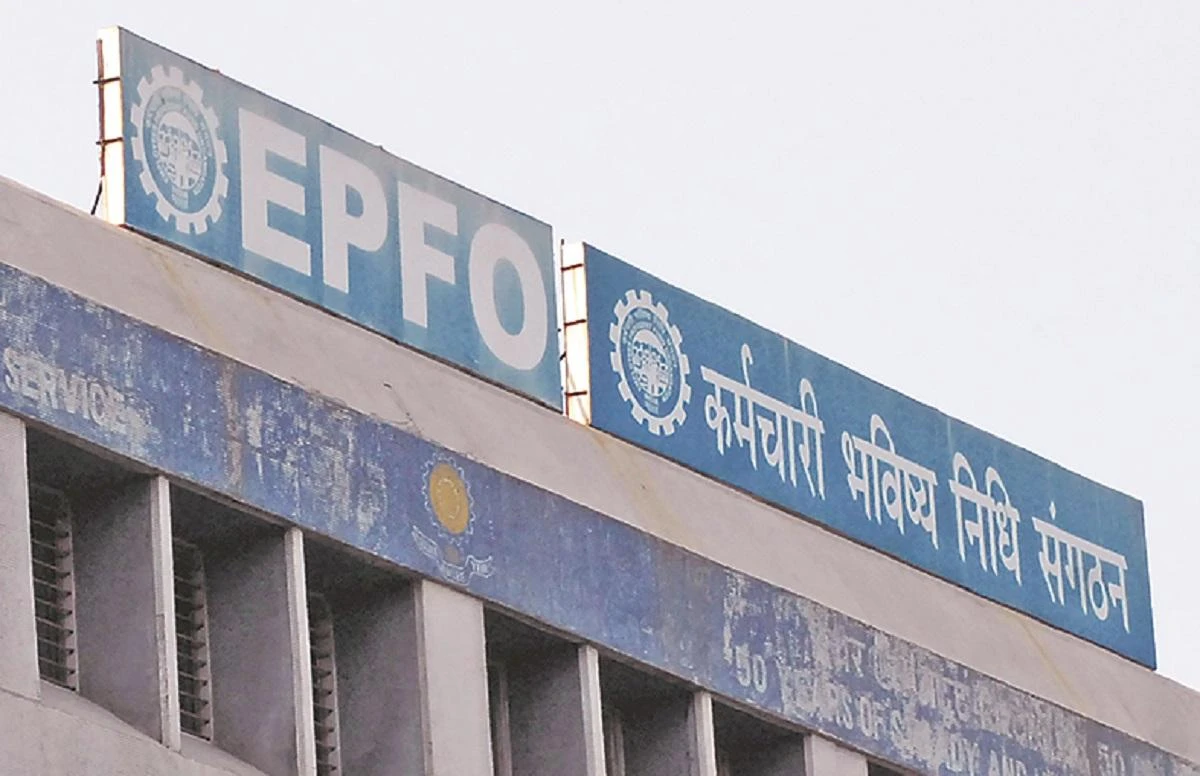

Panaji / New Delhi: The December 7 fire at Goa’s popular “Birch by Romo Lane” nightclub in Arpora, which claimed 25 lives, has turned into a stark reminder of deep systemic failures in India’s social security enforcement. Beyond safety negligence, the tragedy has exposed serious lapses in the Employees’ Provident Fund (EPF) compliance system leaving several victims’ families struggling to access their rightful benefits.
In the aftermath, the Employees’ Provident Fund Officers’ Association (EPFOA) has written a strongly worded letter dated December 11, 2025, to Central Provident Fund Commissioner Ramesh Krishnamurthy, demanding urgent reforms. The association has called for empowering field offices with adequate authority and modern digital tools to identify and penalize defaulters more effectively.
Systemic Failure Exposed
The EPFOA, in its communication, termed the incident a “failure of the system”. Out of the 25 victims, 20 were employees of the club, while the remaining five were tourists. Investigations have revealed that the club, operated under ‘Being GS Hospitality Goa Arpora LLP’ (EPF Code: GAGOA3635074000), had not deposited any PF contributions for its workers.
A secondary code — DLCPM2697829000 — linked to the same ownership showed deposits for just three individuals, none of whom matched the names of the deceased employees. The club’s owner has reportedly gone absconding, leaving the local EPFO office struggling to process PF, pension, and insurance benefits for the victims’ families.
“Strong Action Against Defaulters Needed”: EPFOA
The association’s letter highlights serious procedural and structural weaknesses within the current compliance framework:
- The head office no longer circulates defaulters’ lists to regional offices.
- Traditional mechanisms like show-cause notices and physical inspections have been largely discontinued.
- The e-inspection system, introduced in 2019 to digitize monitoring, remains non-functional even today.
Calling for urgent action, the EPFOA wrote,
“Our compliance machinery must be reactivated. It’s critical to send a strong message to defaulters that breaking the law carries serious consequences.”
Workers’ Rights in Jeopardy
For now, the families of deceased employees are running from office to office to claim PF and insurance benefits. With employers missing and key documentation incomplete, the claims process has stalled. In several cases, workers did not even have valid UANs (Universal Account Numbers), making benefit transfers nearly impossible.
Labour law experts say the incident underscores the crisis of worker protection in unregulated private establishments. “Non-deposit of PF dues and fake employee records have become a pattern in sectors with poor compliance oversight,” one expert noted.
Need for Structural Reforms
According to senior EPFO officers, unless inspection and compliance systems are modernized with data analytics and integrated monitoring, such lapses will continue.
They have proposed a unified tracking model that connects Aadhaar-linked payroll data, GST filings, and labour ministry databases to identify and flag defaulting establishments in real time.
Such a system, officers argue, would not only protect employees’ rights but also restore transparency and credibility to the EPFO’s operations.
The Larger Lesson
The Goa nightclub fire is more than a workplace tragedy it is a warning about the fragility of India’s social security net. When compliance collapses, it’s the workers and their families who pay the highest price.
The EPFOA’s letter should serve as a wake-up call for policymakers to conduct a systemic review of compliance and enforcement mechanisms, ensuring that every worker’s labour is safeguarded by law, not lost in bureaucracy.
