
Follow us on Google News

While artificial intelligence often takes the blame for sweeping layoffs in India’s tech industry, a subtler but equally powerful force has emerged: the rise of Global Capability Centres (GCCs).
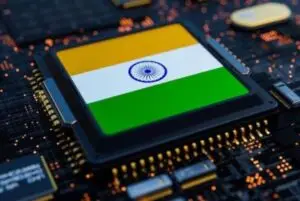
These in-house offshore units set up by multinational corporations (MNCs) in India have become serious disruptors. Unlike traditional outsourcing models, GCCs are tech hubs owned by the global firms themselves, performing functions from R&D and AI development to finance and operations, rather than delegating to Indian IT firms.
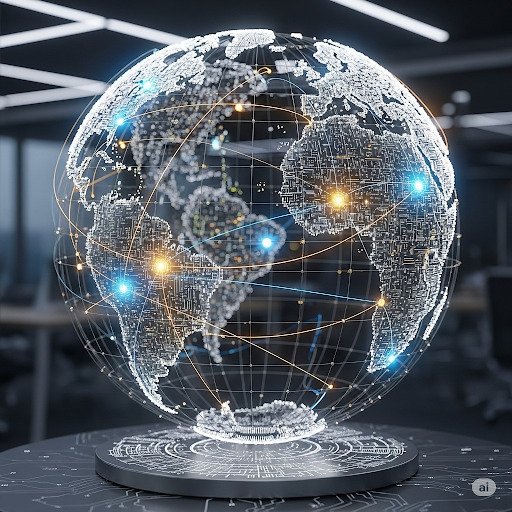
India now hosts over 1,700 GCCs with nearly two million employees, a staggering ecosystem shaping decisions globally. Revenues from GCCs have grown at a compound annual growth rate (CAGR) of 11% since 2015, outpacing the 8% for India’s top IT services firms. GCCs now contribute roughly 23% to India’s IT exports.
Data Protection and DPDP Act Readiness: Hundreds of Senior Leaders Sign Up for CDPO Program
The Dual Disruptors: GCCs and AI
While AI is automating mid-level roles—like testing, maintenance, and support the ascendance of GCCs is simultaneously drawing business away from firms like TCS and Infosys. This two-pronged impact is proving especially damaging: GCCs internalise client operations while AI replaces many traditional functions.
Tata Consultancy Services (TCS) recently laid off 12,000 employees, a 2% workforce reduction predominantly in mid and senior roles. The company cited skill mismatches, but analysts point to broader structural shifts.
On the flip side, GCCs are actively hiring. Forecasts suggest around 340,000–380,000 new jobs across GCCs in the next 5–6 quarters. Many displaced IT professionals are redirecting to GCCs known for better stability and innovation-driven roles.
Indian IT firms must pivot to stay relevant by offering “GCC-as-a-service,” embracing AI integration, and upskilling talent from coding to strategic domains. Otherwise, the combined pressure from AI automation and GCC consolidation may continue eroding their legacy models.