

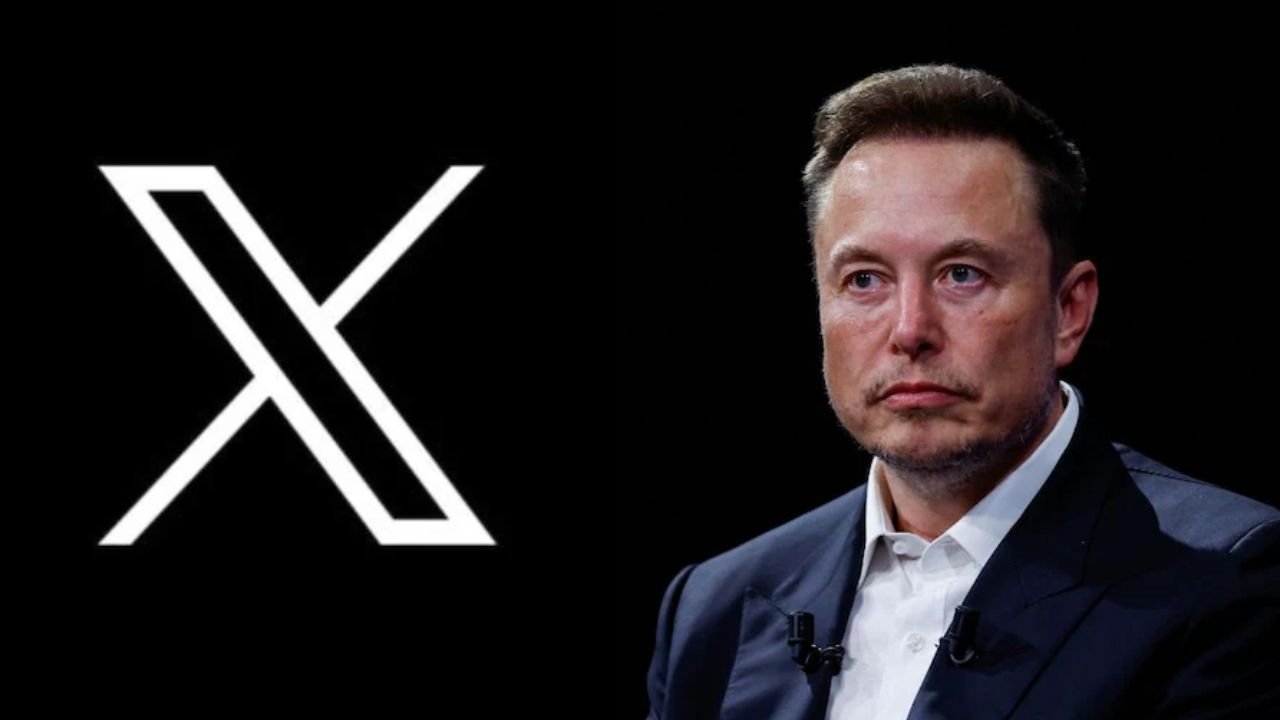

Paris | French prosecutors on Tuesday searched the Paris offices of Elon Musk’s social media platform X, escalating an investigation into alleged political interference and the circulation of sexualised deepfake content, and formally summoning Musk for questioning.
The company described the operation as politically motivated, rejecting all allegations.
The raid comes amid growing European scrutiny of Grok, the AI chatbot developed by Musk’s xAI, after reports emerged that users could generate sexualised images of women and children using simple text prompts.
France’s public prosecutor said voluntary interview summonses for April 20, 2026, have been issued to Musk and former X chief executive Linda Yaccarino, in their respective capacities as de facto and de jure managers of the platform during the period under investigation. Yaccarino resigned in July last year after two years leading the company.
Certified Cyber Crime Investigator Course Launched by Centre for Police Technology
Several X employees have also been called to appear between April 20 and 24 as witnesses.
The probe, launched in January 2025, initially focused on claims that X’s algorithm was used to influence French political discourse. Authorities later broadened its scope to include the spread of Holocaust denial content and the alleged creation of sexual deepfakes through Grok.
Europol confirmed it deployed an analyst to support French authorities during the search.
X’s Global Government Affairs team issued a sharp rebuttal, accusing prosecutors of staging a law enforcement spectacle.
“The Paris Public Prosecutor’s office widely publicised the raid, making clear that today’s action was an abusive act of law enforcement theatre designed to achieve illegitimate political objectives rather than advance legitimate law enforcement goals,” the company said in a post on X, adding that the allegations were baseless.
The Paris action coincides with separate investigations by Britain and the European Union into Grok’s handling of personal data and its role in generating explicit deepfake imagery.
Britain’s Information Commissioner’s Office on Tuesday opened inquiries into X and xAI, saying the reported creation and circulation of such content raised “serious concerns” under UK data protection law and posed a risk of significant public harm.
The European Union launched its own investigation in January over Grok’s generation of sexualised images involving women and minors.
The French case follows two complaints filed in January 2025, including one by Eric Bothorel, a lawmaker from President Emmanuel Macron’s centrist party. Bothorel alleged reduced diversity of viewpoints on X and cited what he described as Musk’s personal interventions in platform governance since acquiring the company in 2022.
Prosecutors are examining suspected offences ranging from manipulation of automated data systems “as part of a criminal gang” to complicity in possessing child sexual abuse material and denial of crimes against humanity.
Musk has also faced criticism in Europe for openly backing right-wing political movements, including vocal support for Germany’s far-right Alternative for Germany (AfD) party.
Adding to the controversy, Musk on Tuesday attacked Spanish Prime Minister Pedro Sanchez over a proposal to ban social media use for children under 16, calling him a “tyrant and traitor” to Spain’s people.
Telegram founder Pavel Durov, who is himself under investigation in France over illegal content on his messaging platform, also condemned the raid.
“France is the only country in the world that is criminally persecuting all social networks that give people some degree of freedom,” Durov wrote on X, naming Telegram, TikTok and X. He denies the allegations against Telegram.
The US administration said last July it would defend Americans’ free speech rights against what it termed acts of foreign censorship, highlighting rising diplomatic tensions around global tech regulation.
French prosecutors said the investigation remains ongoing.
About the author — Suvedita Nath is a science student with a growing interest in cybercrime and digital safety. She writes on online activity, cyber threats, and technology-driven risks. Her work focuses on clarity, accuracy, and public awareness.
